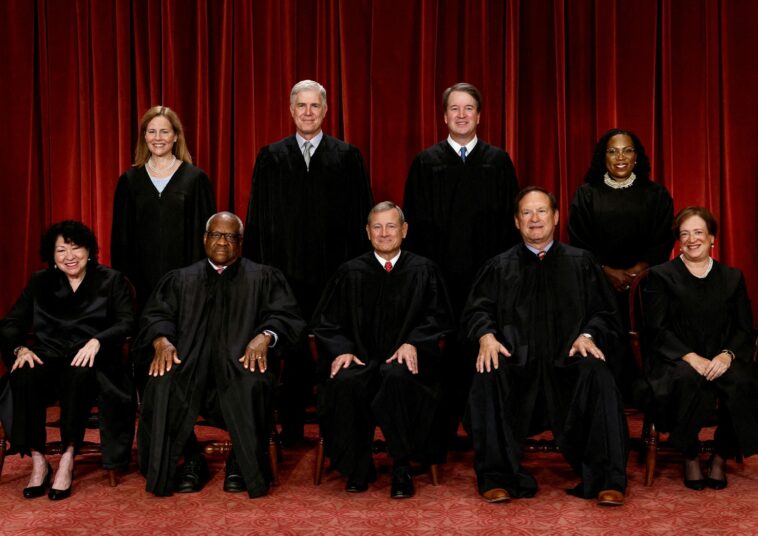
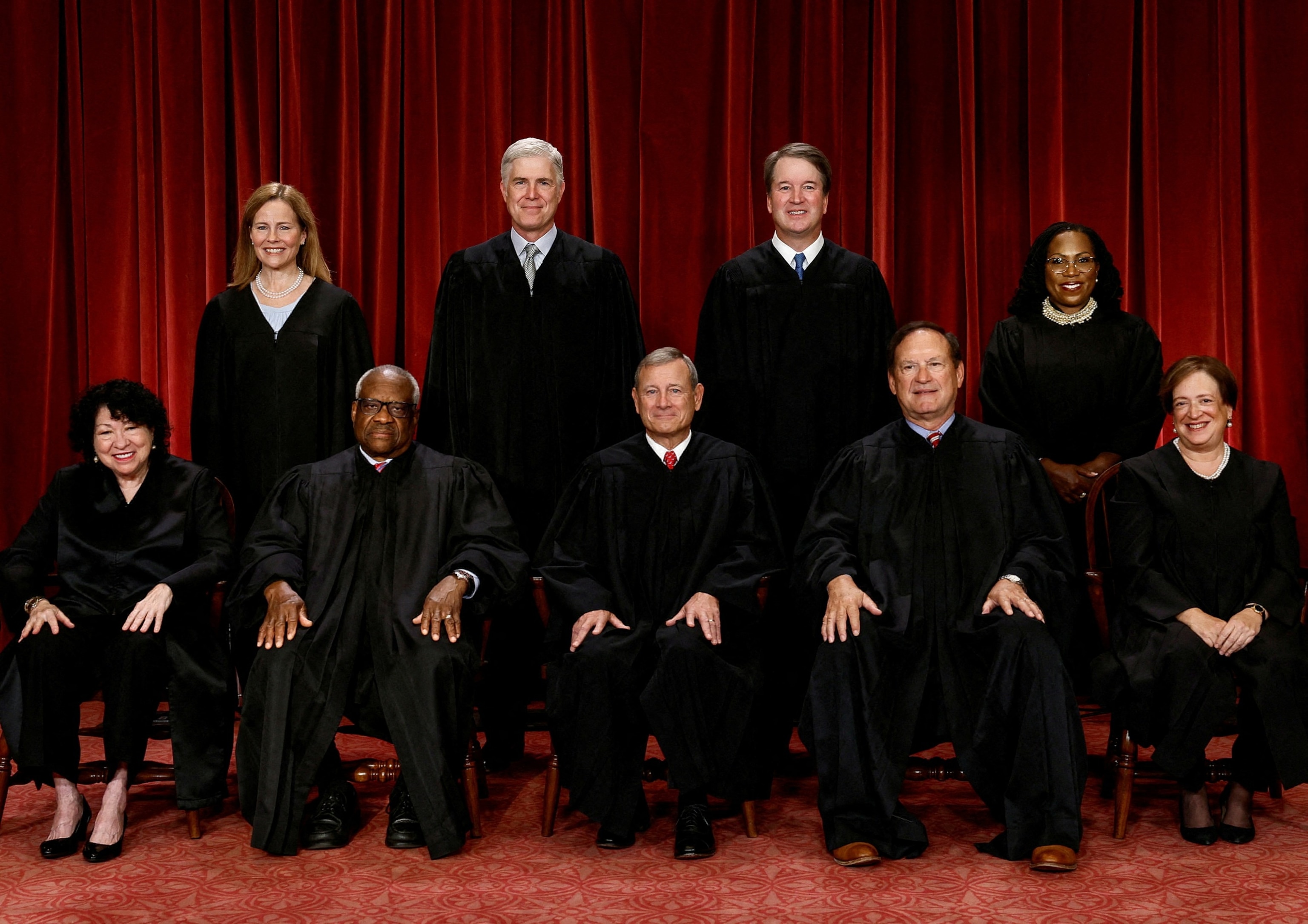
The Supreme Court’s Pivotal Tariffs Case: A Turning Point in Presidential Authority
The U.S. Supreme Court is currently hearing a case that could reshape the way presidential power is exercised over tariffs. At the heart of the matter is President Donald Trump’s decision to impose global tariffs under the authority of the International Emergency Economic Powers Act (IEEPA). This case, spearheaded by attorneys general from Arizona and Oregon, stands to have lasting impacts on American consumers, businesses, and the constitutional balance of powers. It is a case that touches on the fine points of both economic regulation and the separation of powers between the executive and legislative branches.
Understanding the Tariff Controversy: Historical and Legal Background
The tariffs in question were not imposed arbitrarily. President Trump invoked IEEPA to address what he described as “large and persistent trade deficits” and to respond to various national security concerns, such as illegal immigration and drug trafficking. This is the first time a president has applied the law in such a sweeping manner to levy tariffs, prompting a legal challenge from several states and small business owners who argue that the law’s text does not cover tariffs or taxes explicitly.
Key Historical Developments
Before this case reached the Supreme Court, rulings from the Court of International Trade, the U.S. Court of Appeals for the Federal Circuit, and a Federal District Court in Washington, D.C. had all favored the tariff challengers. The basic argument made by those challenging the tariffs is that the president’s power to “regulate importation or exportation” under IEEPA should not extend to imposing taxes, a role which the Constitution reserves for Congress. Among the arguments raised are:
- The word “regulate” does not explicitly include imposing tariffs or taxes.
- The presidential declarations of emergency do not meet the “unusual and extraordinary” standard required by law.
- The unilateral exercise of this power undermines the constitutional authority vested in Congress to levy duties and taxes.
Examining the Text: IEEPA’s Language and Its Implications
The IEEPA empowers the president with broad discretion during national crises. Critics argue the law’s language is too ambiguous, leading to the possibility for a president to implement measures that extend beyond mere regulation. Proponents of the decision, however, contend that in matters of national security and foreign policy, expansive measures are justified. This legal debate centers on whether the law grants unfettered authority to the executive or whether such a power should be balanced with congressional oversight.
Constitutional Authority, Federal Limits, and the Separation of Powers
The case poses many tricky parts and tangled issues related to the division of power laid out in the Constitution. The framers of the Constitution deliberately gave Congress the exclusive right to tax citizens and to impose duties on imports. Over the years, however, certain exceptions have been implemented to allow the president some flexibility during national crises. This case raises a fundamental question: Does the IEEPA allow a president to set tariffs at will, or should such decisions remain firmly within Congress’ domain?
Legal Framework and the Role of Congress
An important aspect of the case is assessing whether the IEEPA’s authorization for the president merely allows him to regulate aspects of trade, or if it inadvertently grants him the power to set taxes. Several legal experts have noted that a proper reading of the Constitution suggests that taxing power and regulatory power are distinct. As District Judge Rudolph Contreras succinctly put it, “The power to regulate is not the power to tax.” These subtle distinctions in the language of the law are central to understanding the limits of executive power.
Comparing Domestic and Foreign Policy Precedents
Looking at past decisions, the Supreme Court has often been more deferential to presidential authority in the realm of foreign policy and national security issues. However, when it comes to sweeping domestic policies, such as nationwide regulatory schemes, the court has shown more skepticism. This tension—between the need for quick, flexible executive action in times of crisis and the constitutional requirement that taxation and major economic decisions fall under congressional control—forms the crux of the legal battle.
The Economic Consequences and Business Impacts of the Tariff Measures
The tariffs imposed under this case carry significant economic implications. Experts estimate that the resulting fiscal impact could be enormous, with potential refunds amounting to tens of billions of dollars if the tariffs are overturned. This has not only stirred legal controversies but has also had a tangible effect on American businesses, particularly small and medium-sized enterprises.
Financial Impact on Small Businesses and Industries
For many companies, the tariffs have meant facing a nerve-racking increase in operating costs. Manufacturers like Learning Resources Inc. have reported substantial sums paid in tariffs, with estimates reaching millions of dollars, which in turn hamper their ability to hire and expand. Similarly, businesses in industries such as textiles and technical clothing have encountered supply chain challenges and cost escalations that threaten their viability.
Real-World Examples of Economic Disruption
Consider the case of a toy manufacturer based near Chicago or an Idaho-based women’s technical clothing firm; both have expressed concerns that tariffs have left them struggling to compete in a marketplace where global manufacturing strategies continue to evolve. The resulting economic strain is not isolated to a single industry but has the potential to affect diverse sectors, including steel, aluminum, machinery, and medical devices.
Table: Key Economic Metrics Affected by Tariff Measures
| Metric | Impact | Description |
|---|---|---|
| Tariff Revenue Estimates | $2.8 Trillion Over Next Decade | Projected federal revenue from tariff imposition. |
| Cost Increase for Businesses | Up to 145% on Certain Goods | Significant surges in operating expenses, particularly for imported goods. |
| Refund Liability Potential | Tens of Billions of Dollars | If tariffs are invalidated, businesses may be entitled to large refunds. |
Legal Strategies, Expert Opinions, and Broader Implications
In this case, legal minds continue to puzzle over a number of confusing bits and subtle parts of constitutional law. The debate hinges on whether the president’s use of IEEPA to impose tariffs represents a legitimate exercise of executive discretion or an overreach into the powers reserved for Congress. Many legal scholars argue that this case could set an important precedent for future administrations regarding the scope of presidential authority.
Perspectives from Legal Experts
Legal scholars such as James Sample of Hofstra Law have emphasized that the decision before the Court is not merely about one particular measure. Instead, it is about defining the fine points of executive power in relation to statutory texts like IEEPA. Sample remarked that the case is “staggeringly important from an economic perspective and from a separation of powers perspective.” Such opinions illustrate the gravity of the situation and the potential ripple effects on future presidential decisions.
Expert Opinions on Constitutional Balance
Constitutional experts point to the subtle distinctions between regulatory powers and taxing powers. They argue that if the Court sides with the administration, it may pave the way for a new era where the executive branch has the super important ability to bypass legislative oversight. On the other hand, a decision in favor of the states and small businesses could reinforce the need for a balance in how power is distributed between the branches. This tug-of-war underscores a tension that is both historic and full of problems in modern government.
Bulleted List: Central Legal Questions Being Addressed
- Does the language of IEEPA give a president the key power to impose tariffs beyond simple regulation?
- Should the word “regulate” be interpreted to include tariff imposition?
- How does this case affect the balance of power between the executive and Congress?
- What are the economic consequences for businesses if the tariffs are upheld or overturned?
The Broader Implications for American Foreign Policy and Global Trade
This case also forces us to examine how trade policies enacted by a president can shape not just domestic economics, but also international relations and global diplomacy. President Trump has argued that tariffs are a necessary tool for protecting American industries against unfair trade practices abroad. His statement on social media—citing tariffs as a self-defense measure essential for the country’s survival—has spurred passionate debate among policy experts.
Impact on Global Trade Relations
Politically, customs measures such as these have been used as bargaining chips in international negotiations. Should the tariffs be upheld, the U.S. might continue using them as leverage in its diplomatic engagements with other countries. However, if the tariffs are struck down, it could force future administrations to find alternative mechanisms for addressing trade imbalances while still safeguarding national interests.
International Reactions and Consequences
Overseas, discussions have emerged around the potential for a new world order in trade practices. Countries impacted by these tariffs are monitoring the situation closely, as a legal precedent in favor of broad presidential tariff powers could lead to retaliatory measures or affect international economic stability. Countries might adjust their trade policies in anticipation of an evolving regulatory environment in the United States.
Assessing the Economic Fallout: Ripple Effects on Consumers and Small Businesses
One cannot overlook the significant financial burdens that these tariffs place on everyday American consumers and small business owners. The situation brings to light several tricky economic issues that go beyond high-stakes legal arguments and touch on day-to-day economic realities. For many businesses, especially those reliant on global supply chains, the cost increases up to tens of percentage points add a layer of overwhelming financial pressure.
How Tariffs Affect Consumer Prices and Daily Expenditures
Economic analysts have argued that upholding these tariffs may boost domestic manufacturing over the long run. However, such measures come at a price. Consumers may end up shouldering an extra cost that experts estimate at more than $1,700 per household in just one year. Higher tariffs mean that imported goods, ranging from everyday necessities to specialty items, become considerably more expensive. This price rise is felt not only by average consumers but also by enterprises that rely on imported materials to produce finished products.
Challenges for Small Businesses
Small business owners are particularly vulnerable in this scenario. For companies like Learning Resources Inc. and Wild Rye, the increased tariff costs lead to a direct loss in profits and can constrain growth opportunities. The hostile financial environment forces entrepreneurs to make tough decisions—either to absorb these higher costs, pass them on to customers, or cut back on innovation and hiring.
Bulleted List: Economic Concerns for American Businesses
- Rising imported goods prices affecting domestic market competitiveness.
- Increased operational costs leading to reduced profits.
- Reduction in hiring and expansion due to financial strain.
- Potential for a new round of legal battles if tariffs continue to be challenged.
Legal and Economic Ramifications: A New Horizon in Presidential Power?
The outcome of this case could have broad ramifications for the future exercise of executive authority. A decision upholding President Trump’s actions could solidify an expansive interpretation of presidential power under emergency circumstances, enabling future presidents to impose similar measures without seeking congressional approval. Such a development could drastically alter the balance of power enshrined in the U.S. Constitution.
Potential Precedents and Future Cases
If the Supreme Court rules in favor of the tariffs, it would mark a turning point—one that might see subsequent administrations using IEEPA in much the same way. Such a ruling could open the door to what some legal experts call a “new world order” in economic and regulatory policy. The precedent set by this case may affect decisions related to national emergencies beyond trade tariffs, potentially influencing domestic policy decisions in areas such as public health and security.
How This Ruling Could Impact Future Legislative Action
A ruling that empowers the executive branch in this manner could lead lawmakers to consider additional limitations or clarifications in the statutory language of IEEPA. In response, Congress might seek to amend laws to reaffirm its key role in taxation and economic regulation. This legislative reaction, in turn, would further complicate the delicate balance between the three branches of government, making it imperative for policymakers to figure a path through an increasingly charged political landscape.
Practical Insights: What This Means for Policy and Day-to-Day Governance
The broader policy implications emerging from this case are both complex and filled with challenges. Policy-makers are faced with sorting out the multiple competing interests: how to protect national security and manage trade imbalances, while also ensuring that constitutional checks and balances are maintained. The final outcome of this case is set to impact not only historical legal interpretations of executive power but also everyday administrative actions that affect the livelihoods of millions.
Key Policy Considerations
In addressing the fallout from these tariff measures, several practical considerations must be taken into account:
- Ensuring that any exercise of executive power remains tethered to constitutional mandates.
- Balancing the need for swift action in times of crisis with the due process of legislative oversight.
- Mitigating the economic shock experienced by small businesses and consumers during policy shifts.
- Structuring future legal challenges in a way that clarifies the subtle details surrounding the power to tax versus the power to regulate.
Policy Adjustments at the Federal Level
From a policy standpoint, policymakers may need to revisit existing trade legislation to better define the boundaries of presidential authority. Amending or clarifying the statutory framework could help avoid similar legal conflicts in the future, ensuring that emergency measures do not inadvertently become a pretext for expanding executive power indefinitely. Such adjustments would be super important for maintaining the delicate balance of power already at play in our government.
International Perspectives and Global Market Reactions
The legal dispute over tariffs is not just a domestic issue—it has significant implications on the global stage. International counterparts and trade partners are watching closely, as the outcome of the Supreme Court’s decision could have a ripple effect throughout the global economy. The case may signal a shift in how economic disputes and national security concerns are addressed not only in the United States but also in other democracies.
Global Trade Partnerships and Diplomatic Tensions
Foreign governments may view an affirmation of broad presidential power as a sign of U.S. willingness to unilaterally impose economic measures. This could lead to a recalibration of trade partnerships and diplomatic approaches. Some countries might respond by reinforcing their own trade policies, while others could choose to engage in bilateral negotiations to counterbalance U.S. actions.
Repercussions for International Markets
The immediate effect of continued or expanded tariff measures includes disruptions in global supply chains and fluctuations in international markets. In addition, industries that rely heavily on imports, such as manufacturing and technology, may experience additional hurdles due to sudden cost increases and uncertainty about the future of trade policy. These outcomes illustrate the far-reaching nature of this case beyond U.S. borders.
The Hidden Complexities: Weighing National Security Against Economic Stability
One of the most challenging aspects of this case is reconciling two competing government priorities: protecting national security and fostering economic stability. With the president arguing that tariffs serve as a critical tool for safeguarding the nation, and critics pointing out severe economic drawbacks, the interplay between these goals is loaded with issues that policymakers must address head-on.
Balancing National Security and Economic Growth
In the realm of national security, even the smallest twist or turn in policy can have far-reaching consequences. Proponents of the tariffs claim that they are necessary to counteract unfair trade practices and protect U.S. industries from external competitors. However, this strategy carries its own set of complications. The resulting retaliatory measures and increased operational costs for businesses evoke a series of complicated pieces that could undermine the very economic interests the tariffs were intended to protect.
Assessing National Security Justifications
Critics argue that the emergencies declared by the president do not meet the scared, overwhelming criteria required for the invocation of IEEPA. In their view, while national security is undeniably important, using it as a blanket justification for sweeping tariff measures risks blurring the lines between genuine crises and politically convenient measures. The ensuing debate revolves around whether national security concerns can or should be used to justify actions that have profound economic repercussions.
Looking Ahead: What a Decision Means for American Governance
This case is poised to become a landmark moment in American legal history. The Supreme Court’s eventual ruling will not only resolve the immediate dispute over tariffs but will also cast a long shadow over how future presidents may use emergency powers. The potential ripple effects of this decision could reach into many areas of governance, from economic policy to the fundamental structure of presidential authority.
Future Challenges for Executive Power
If the Court upholds the tariffs, it may signal a trend toward allowing greater unilateral executive action. This outcome could lead to a scenario in which future administrations feel empowered to bypass Congress when addressing national emergencies. Conversely, a ruling in favor of the states and small business challengers would reassert the essential role of Congress in economic regulation, thereby preserving a historical balance between branches of government.
Implications for Congressional Action
Regardless of the decision, it is almost certain that Congress will have to weigh in. Lawmakers might seek to pass new legislation that better delineates the boundaries of executive authority under emergency conditions. Such legislative efforts could include clearer limitations on tariff imposition and more rigorous checks on executive declarations of emergency. These discussions will be super important for maintaining the balance of power and ensuring that future actions remain within constitutional bounds.
Expert Predictions on the Case Outcome
Legal experts remain divided. Some predict that the Court’s conservative majority will view the case through a foreign policy lens, potentially favoring the executive branch’s interpretation of broad presidential powers. Others believe that a strict reading of constitutional limits should prevail, thereby curbing the ability of any president to unilaterally impose taxing measures under IEEPA. What is clear is that the decision will shape not only legal doctrines but also the operational dynamics of American governance in the years to come.
Conclusion: A Historic Moment of Legal and Economic Significance
The Supreme Court’s review of President Trump’s tariff measures represents a critical juncture in U.S. law. The case touches on multiple tricky parts—from the fine points of constitutional authority and economic regulation to the broader implications for international trade and national security. At its essence, the controversy forces us to take a closer look at the limits of presidential power and the enduring role of Congress in economic policymaking.
While legal experts and economists continue to debate the many subtle parts of this case, one thing remains clear: the outcome will have lasting effects on both governance and the everyday lives of American citizens. Whether the tariffs are upheld or overturned, businesses and policymakers alike will have to steer through an uncertain future shaped by the outcome of this nerve-racking legal battle.
The legacy of this case is already evident. It not only raises fundamental questions about the appropriate use of executive power but also underscores how legal interpretations can have tangible repercussions on a nation’s economy and its position in the world. As future administrations await the Court’s decision, there is a collective understanding that the conventional balance of power—and what it means to regulate and tax in our modern era—may be forever altered.
For now, the nation watches and waits, aware that the Supreme Court’s decision will mark a new chapter in the ongoing dialogue over the powers vested in our president and the critical role of Congress in economic governance. Only time will tell how this case will reshape the legal and economic landscape, but its impact is sure to be both profound and enduring.
Originally Post From https://www.abc15.com/news/national/wednesday-supreme-court-to-hear-trump-tariffs-case-of-staggering-importance
Read more about this topic at
President Trump’s tariffs v. the Supreme Court’s duties
Trump tariffs head to Supreme Court in case eagerly …