Reckless Acts, Tragic Consequences: A Closer Look at Animal Cruelty and Legal Responsibilities in Arizona
The recent case of Abraham Delarosa, accused of leaving his two dogs in a hot car for six long hours in Queen Creek, serves as a harsh reminder of the tricky parts of pet care and legal accountability. As temperatures soar in Arizona, every pet owner, worker, and bystander is confronted with a challenging situation that is both emotionally and legally loaded with issues. This opinion editorial takes a deep dive into the tangled issues surrounding this heartbreaking incident, exploring the legal, moral, and practical dimensions of pet safety under extreme conditions.
While the story might seem like just another local news headline, it forces us to confront a complex mixture of responsibility, legal interpretation, and public safety. Not only do we have to grapple with the direct implications of animal cruelty, but we also need to understand how laws such as Arizona’s Good Samaritan statute empower citizens to save lives in desperate moments. The nuances of this legislative framework, along with the common sense guidelines for pet care in severe weather, demand that we all take a closer look at our roles in preventing such tragedies.
Preventing Pet Tragedies: How to Intervene Safely in Overwhelming Car Heat Emergencies
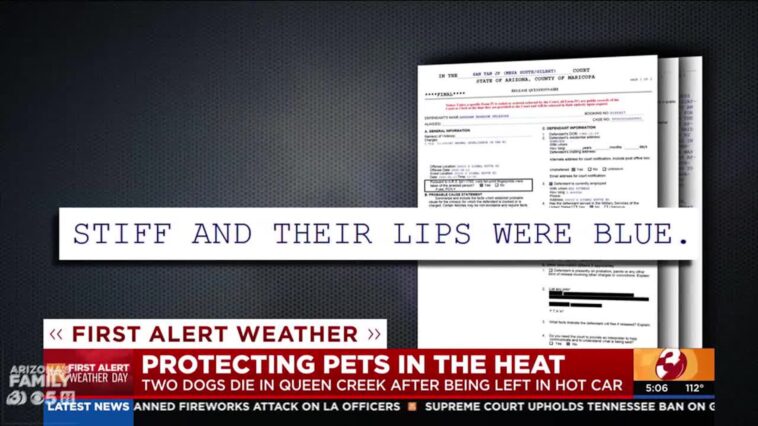
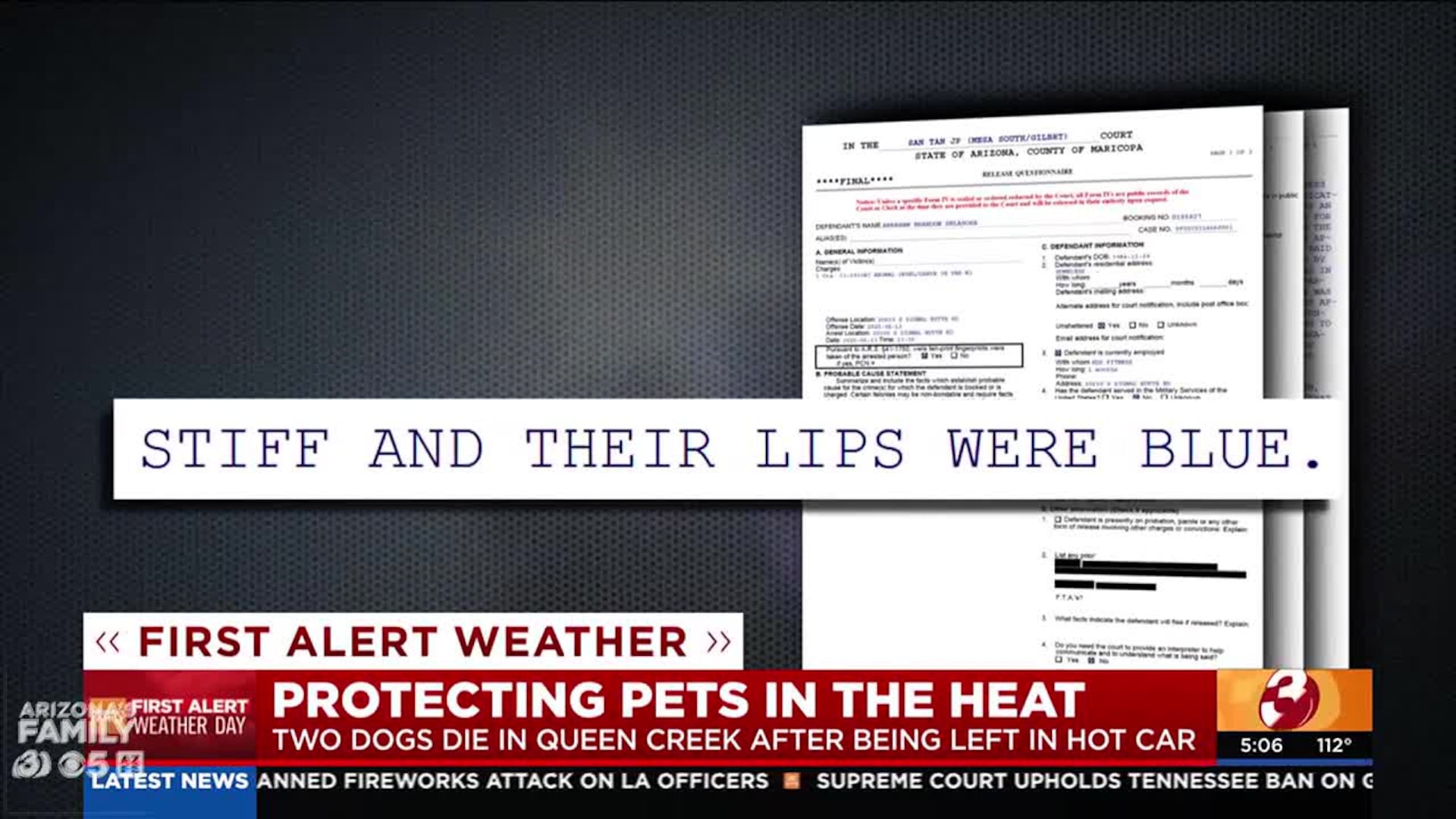
When temperatures rise to dangerous levels, the environment inside a parked car can quickly become a lethal trap. The case in question—in which witnesses reported finding the dogs with blue lips and a stiff body—exemplifies the devastating effects of extreme heat on animals. Glendale Police Sgt. Bryan Hoskin was quick to note that “the temperatures in cars rise rapidly and quicker than you suspect,” emphasizing the need for immediate intervention when a pet appears to be suffering.
In these overwhelming situations, bystanders and first responders face the nerve-racking challenge of determining the best course of action. Key guidance under Arizona’s Good Samaritan law on animal emergencies includes several essential steps:
- Ensure you believe, in good faith, that the animal is in imminent danger.
- Confirm that the car is locked and that there is no other safe access to the distressed pet.
- Call 911 immediately before intervening.
- Use only as much force as is absolutely necessary—for example, breaking a window if no alternative exists.
- Remain with the animal until professional help arrives.
Each of these steps, simple as they might seem, hides a series of subtle details that can determine whether a well-intended intervention becomes legally problematic. This balance is critical: saving a life must be weighed against potential civil liability if proper procedures are not followed. Hence, the public’s common sense and quick judgment are constantly on display when human compassion meets a time-sensitive emergency.
Understanding the Good Samaritan Law: Working Through the Legal Labyrinth of Pet Rescue
Arizona’s Good Samaritan law is designed to protect those who take courageous action to save animal lives in critical moments. However, the law is loaded with provisions that require a careful look at the fine points of legal responsibility. In the heat of the moment, meaning literally and figuratively, pet rescuers might find themselves tangled in legal quandaries if they overstep boundaries or misinterpret the law’s requirements.
A closer examination of the law reveals a legal framework built on several key conditions:
| Condition | Description |
|---|---|
| Good Faith Belief | A rescuer must genuinely believe the animal is in immediate danger of severe harm or death. |
| No Alternative Access | It is essential that the rescuer cannot reach the animal in any other legal way before intervening, such as a door or unlocked car. |
| Call to 911 | The rescuer must contact emergency services before taking drastic actions like breaking a window. |
| Minimal Force | Only the necessary amount of force should be used to gain access, ensuring that no further harm comes to the animal or property. |
| Stay with the Animal | Once intervention begins, the rescuer should remain with the pet until professional help takes over. |
These conditions, while seemingly straightforward, contain several confusing bits that require a thorough understanding. People need to be fully aware of the legal implications of each step when they decide to step in. The law is designed to protect lives, yet it also imposes strict responsibilities to ensure that good intentions are matched by careful actions.
Critics argue that the legal requirements sometimes fail to account for the quick, sometimes instinctive, decisions that ordinary citizens make while trying to help. Nonetheless, it is crucial that anyone stepping forward in these scenarios understands both the human compassion behind their actions and the tangled legal consequences that might follow.
Lessons in Responsibility: Making Your Way Through Animal Care During Extreme Heat
The tragic death of the dogs in the Queen Creek incident underscores a broader issue: the often overwhelming responsibility pet owners bear during extreme weather conditions. With temperatures reaching intimidating heights in Arizona, every dog owner must be ever vigilant about the conditions their pets are exposed to.
Here are some super important considerations for pet owners on hot days:
- Never leave your pet unattended in a vehicle: Even a few minutes can be enough for the interior temperature of a car to soar to dangerous levels.
- Create a pet-safe environment at home: Ensure that your pet has plenty of water, access to shade, and a cool environment both inside and outside the house.
- Be aware of your surroundings: Monitor not just temperatures but also the condition of places where your pet might be exposed, such as asphalt surfaces, which can become dangerously hot and burn pet paws in a matter of seconds.
- Plan ahead: Consider the risks if you are delayed or if your pet might be left in an unsafe place due to unforeseen circumstances.
It may sound like common sense, but these simple steps require ongoing mindfulness, especially during the extreme heat typical of Arizona summers. Pet owners need to remain aware of the small twists that can lead from a careful routine to a potentially fatal oversight. In short, the safety of our pets depends on proactive care and attention to every detail.
The Troubling Reality: How Overlooked Small Details Can Turn into Tragic Legal Cases
The Delarosa case is a dramatic example of how seemingly minor lapses in judgment can quickly evolve into legal nightmares and heartbreaking outcomes. Delarosa’s claim that he left the vehicle running, only to find that “someone must have turned the car off,” introduces a contentious defense that courts will have to examine closely. Such excuses, though possibly rooted in genuine confusion amidst the nerve-racking demands of daily life, can ultimately lead to severe consequences under animal cruelty laws.
It is essential to recognize that the legal system does not operate in a vacuum of sympathy and misunderstanding. Instead, it meticulously works through each confusing bit of evidence to establish accountability. When the staff at EOS Fitness and the vet clinic reported the dire condition of the dogs—blue lips, almost no response, and temperature readings maxing out—these critical details formed the basis of the charge against Delarosa.
This case forces us to confront some tricky questions:
- How can pet owners ensure that their actions in stressful moments do not turn into dangerous legal consequences?
- What measures, both practical and legal, can be implemented to enforce pet safety in dangerous conditions?
- How do we balance immediate, life-saving actions with the need to adhere to legal protocols?
The answers are not straightforward. They lie at the intersection of good intentions, clear guidelines, and the very human propensity for mistakes when under pressure. The tangled issues in this case are emblematic of a larger societal challenge: reconciling our compassionate instincts with the need for strict adherence to legal standards.
Implications for Policy: Sorting Out the Twists and Turns of Legal Accountability in Animal Cruelty Cases
In the wake of such devastating incidents, policy makers are pressed to reexamine the measures in place to protect animals and ensure that those charged with negligence or cruelty are held accountable. With animal cruelty cases rising in public awareness, there is a growing call for laws that are both strict and clear about the responsibilities of pet owners and bystanders alike.
Key policy implications include:
- Enhanced Public Awareness: Public education campaigns on safe pet practices in extreme weather should be intensified. These campaigns would help pet owners understand the trivial but critical detail of how quickly car interiors can reach hazardous temperatures.
- Clearer Legal Guidelines: While the Good Samaritan law offers protection for those acting to save animal lives, more explicit guidelines could reduce the ambiguity that has led to civil liability in some cases.
- Stricter Penalties for Negligence: Cases like Delarosa’s might prompt lawmakers to consider stricter penalties for pet neglect, ensuring that the safety of animals remains a priority in our legal system.
- Training for First Responders: Investing in specialized training for both law enforcement and veterinary professionals can help them work through the subtle parts of these cases more effectively and with greater sensitivity.
The legal community, along with animal rights advocates, is engaged in ongoing discussions about how to bridge the gap between the letter of the law and the practical challenges that arise in hot weather emergencies. In many ways, these conversations are as delicate as they are urgent, trying to figure a path that is fair for all parties involved.
Accountability and Compassion: Striking a Balance in a Heated Debate
On one hand, we must hold individuals accountable for actions that result in unnecessary suffering, as demonstrated by the tragic situation involving Delarosa’s dogs. On the other hand, the issue isn’t always about cold-blooded malice; sometimes, it’s a case of profound negligence or misunderstanding of the true risks involved with leaving pets in cars during extreme heat.
This balance is reminiscent of many legal debates where the punishment must be weighed against intent and circumstance. For instance, while it is critical to punish those found responsible for serious animal cruelty, the legal system must also account for moments where judgment was clouded by overwhelming stress or complicated circumstances.
In reflecting on these outcomes, several points warrant discussion:
- The role of intent: Determining whether the act was malicious or the result of a miscalculation is key in deciding the appropriate legal response. This is not just about the act itself, but also about the inner thought process and external pressures the individual faced.
- Public responsibility: The legal system encourages bystander intervention in emergent situations. However, interveners must keep in mind the specific legal conditions that protect them, and any deviation from those could lead to unintended legal entanglements.
- Systemic improvements: Beyond holding individuals accountable, there is also a need for systemic changes. Educational programs, clearer guidelines, and perhaps even technological solutions (like car sensors for excess heat) could help reduce the risk of such incidents recurring.
This dual-edged responsibility—protecting animals while ensuring fairness in the legal process—illustrates the challenging balance of accountability and compassion in today’s legal landscape. It begs the question: when does negligence cross the line into criminal behavior, and how do we prevent such tragedies before they occur?
Community Engagement and Preventive Measures: Protecting Our Pets Together
The tragic incident in Queen Creek is not an isolated case; it reflects a much broader concern that reverberates throughout communities in Arizona and similar climates around the world. Community involvement is key to preventing such occurrences. By fostering a culture of mutual responsibility and vigilance, communities can help safeguard vulnerable animals during dangerous weather conditions.
Several community-based strategies have proven effective, including:
- Neighborhood Alert Systems: Organizing local groups that are alerted to potential pet endangerment cases can allow for prompt intervention before a situation becomes irreversible.
- Public Service Announcements: Regular reminders from local authorities and animal welfare organizations can educate the public on the severe risks of leaving pets unattended, particularly during periods of intense heat.
- Collaboration with Veterinary Clinics: Juvenile training programs and outreach initiatives can be bolstered by partnerships with local clinics, ensuring that pet owners are routinely reminded of the necessities of pet care during summer months.
- Legislative Workshops: Hosting workshops that bring together lawmakers, animal welfare experts, and community members can help sort out the tricky rules that surround pet safety and intervention laws. These workshops can clarify the fine points of legal protections and emphasize the importance of immediate action when warranted.
Community engagement extends to every level—from individual pet owners to large advocacy groups. When each member of society is well-informed and ready to act within legal parameters, we stand a better chance of preventing future tragedies. It’s a shared responsibility that emphasizes how every small twist in our daily practices can have larger repercussions down the road.
Reflecting on a Broader Cultural Shift: Pet Ownership and Modern Legal Expectations
The modern era has seen a dramatic shift in how society views pet ownership. Pets have become family members, and their well-being is a matter of public concern. At the same time, as our cities and climates change, the legal expectations placed on pet owners—and those around them—continue to evolve.
This cultural transformation comes with its own set of complicated pieces. On one hand, the ethical treatment of animals demands that we act swiftly and compassionately when their lives are at risk. On the other hand, the law insists on a measured approach that can sometimes seem at odds with our gut reactions in moments of panic.
For example, consider the differences in public opinion when comparing intentional cruelty with apparent negligence. While deliberate harm is widely condemned, the gray areas that fall under negligence can sometimes be misunderstood or overlooked by the legal system. This misunderstanding is particularly problematic when the context involves the extreme conditions prevalent in regions like Arizona.
Public expectations are now higher, and pet owners are expected to be vigilant, proactive, and well-educated about the fine details of animal care. It is no longer enough to simply love one’s pet—there is a super important duty to ensure their safety in every possible scenario. This duty is made more challenging by the nerve-racking reality of modern life, where distractions and unforeseen events can easily lead to oversights that end in tragedy.
In this light, the Queen Creek incident can be seen as a wake-up call—not only for those directly involved, but for society as a whole. It highlights not just the legal ramifications of careless pet care, but also the broader cultural imperative of protecting those who cannot speak for themselves.
Legal Precedents and the Future of Animal Welfare Legislation in Arizona
Animal cruelty cases, such as the one involving Delarosa, are far from isolated. They serve as important legal precedents that shape the future of animal welfare legislation in Arizona and beyond. Each case adds a layer to our understanding of what constitutes misconduct and where the line between negligence and criminal behavior is drawn.
Looking ahead, there are several key areas where legal reforms could help both protect animals and support those who intervene in emergencies:
- Refinement of Intervention Criteria: By clarifying the conditions under which bystanders can safely and legally intervene, lawmakers can reduce the hesitation that sometimes prevents lifesaving actions.
- Stricter Enforcement of Pet Safety Regulations: More rigorous monitoring and higher penalties for pet neglect could serve as a deterrent, ensuring that owners remain consistently vigilant about their pets’ well-being.
- Integrated Technology and Animal Safety: Innovative solutions such as car temperature monitoring systems or mobile apps that alert owners to dangerous heat levels in parked vehicles may bridge the gap between intention and action.
- Judicial Consistency: Ensuring that similar cases are treated with consistent severity and understanding across different courts can help create a more predictable legal environment for pet owners and bystanders alike.
These potential reforms are designed to make the legal framework more accessible and practical in everyday situations. As cases like Delarosa’s move through the judicial system, they not only serve as cautionary tales but also as opportunities to instigate positive change. The legal community and lawmakers must work together to figure a path that protects our pets while also safeguarding the rights of well-intentioned citizens.
Balancing Public Safety, Legal Accountability, and Compassionate Intervention
The multifaceted nature of animal cruelty cases requires that we balance public safety, legal accountability, and the imperative of compassionate action. It is not enough to simply admonish a single act of negligence; we must look at the broader structure that allowed such a tragedy to occur without adequate preventive measures.
One of the most perplexing aspects of this debate is the intersection of legal standards and community morality. On one side, we have a legal system that demands adherence to specific rules—even in moments of personal crisis or urgency. On the other, we see a community that is increasingly unwilling to accept any form of animal neglect, driven by the belief that pets are family and their lives are beyond reproach.
This tension is reminiscent of many debates in modern society where legal tidiness clashes with the raw urgency of human emotion. When a pet owner is accused of failing to provide even the most basic needs for their animal, the public reaction is often swift and emotionally charged. However, for those navigating the legal twists and turns of such cases, every small distinction in intent, action, and circumstance matters.
By encouraging public awareness, engaging in thoughtful policy reform, and enabling clear, supportive intervention protocols, communities can work together to ensure that the legal system reflects our collective values of care, responsibility, and justice.
Concluding Reflections: Lessons Learned from a Tragic Incident
The Arizona case of alleged pet neglect is a stark reminder of the responsibilities pet owners, employees, and community members share. As we take a closer look at what happened in Queen Creek, it becomes evident that every actor in this chain of events—from the pet owner to the gym manager, from first responders to legislators—must consider the super important details that collectively determine the fate of innocent lives.
Key takeaways from this case include:
- High Temperatures Demand Vigilance: Extreme heat is not just inconvenient—it’s life-threatening to pets. Always ensure that animals have access to a cool, shaded environment.
- Legal Intervention Guidelines Must Be Followed Rigorously: Those who step into emergency situations must be aware of the legal provisions designed to protect them, so their actions remain both compassionate and lawful.
- Public Education is Essential: As our communities grow, so too must our awareness and preparedness. Regular education on pet safety can help prevent future incidents and reduce the toll of negligence.
- Policy Reform Can Drive Change: Legislators and judicial systems must work to refine and clarify the standards by which these cases are judged, ensuring that both pet welfare and legal equity are maintained.
This tragic event forces us to dig into the heart of animal welfare, addressing not only the immediate legal ramifications but also the broader cultural and societal expectations that underlie pet care today. In an environment where each second counts, the difference between life and death can hinge on whether an individual understands both the practical and legal fine points of the situation.
In conclusion, the legal challenges and societal expectations surrounding pet safety in Arizona epitomize a broader struggle to match compassionate human impulses with established legal protocols. As we continue to debate, reform, and educate ourselves, we must remember that every small twist and turn in our handling of pet care has profound implications, both in the courtroom and in everyday life.
Ultimately, it is up to all of us—pet owners, community members, and lawmakers—to steer through these nerve-racking issues and ensure that tragedies like the one in Queen Creek are not repeated. By balancing stringent legal standards with the warmth and compassion that defines our communities, we can create an environment where the well-being of all creatures is respected and protected.
Looking Forward: A Call for Compassionate, Lawful Action in Pet Safety
Every time we hear news of a pet suffering in extreme conditions, it is a call to action. These incidents should lead to more robust public discourse about the responsibilities that come with pet ownership and the need for clearer, more actionable legal frameworks. As our society evolves, so too should our policies and everyday practices regarding animal care—ensuring that every pet owner is fully aware of the super important measures required to protect their companions.
New initiatives, such as community outreach programs and legislative revisions, are necessary to address the confusing bits that often blur the lines between intent and neglect. By fostering cooperation among local government, law enforcement, and animal welfare organizations, we can improve both the immediate response to pet emergencies and the long-term measures designed to prevent negligence.
As we move forward, let us remember that the safety of our pets is a shared responsibility. Whether it is through strictly following legal guidelines in emergencies or through thoughtful reforms in animal welfare policies, every action we take is a step toward creating a safer, more caring community for all living beings.
This tragic case should not be seen solely as an isolated event, but as a catalyst for meaningful change. It highlights the complicated pieces of modern pet care and the essential need for both compassion and accountability in the face of extreme conditions. By working together, we can hope to create a future where no pet suffers due to preventable human error or oversight—and where our legal system stands ready to support, rather than punish, lifesaving actions undertaken in genuine moments of crisis.
In the end, addressing these nerve-racking challenges requires a multi-faceted approach: one that embraces public education, clear legal guidelines, and thorough policy reform. Only then can we ensure that every animal is given the chance to live a safe, healthy life, and that those who take action in good faith are protected as they endeavor to save lives.
The discussion about animal cruelty and legal responsibility is far from over. As a community, it is our duty to continuously revisit these issues, learn from past mistakes, and improve practices for the future. Let this be a rallying cry for better education, clearer laws, and more active involvement at every level—from individual pet owners to national policymakers.
By reflecting on the lessons learned and taking concrete steps towards reform, we can hope to build a society where the welfare of our beloved animals is never compromised, even in the face of Arizona’s extreme conditions. Let the memory of this unfortunate event spur us to act with greater care, to get into every necessary detail, and to make the right choices when every moment counts.
Ultimately, the balance between legal accountability and everyday compassion is one that we must all strive to achieve. It is only through such a balanced approach that our communities will truly be safe havens for the pets and animals who depend so completely on us for their protection and care.
Originally Post From https://www.azfamily.com/2025/06/18/man-accused-leaving-dogs-hot-car-6-hours-outside-queen-creek-gym/
Read more about this topic at
The Dangers of Leaving an Animal in a Hot Car and Other …
Acts against leaving dogs locked in hot cars