Arizona’s Firm Stand Against Child Exploitation
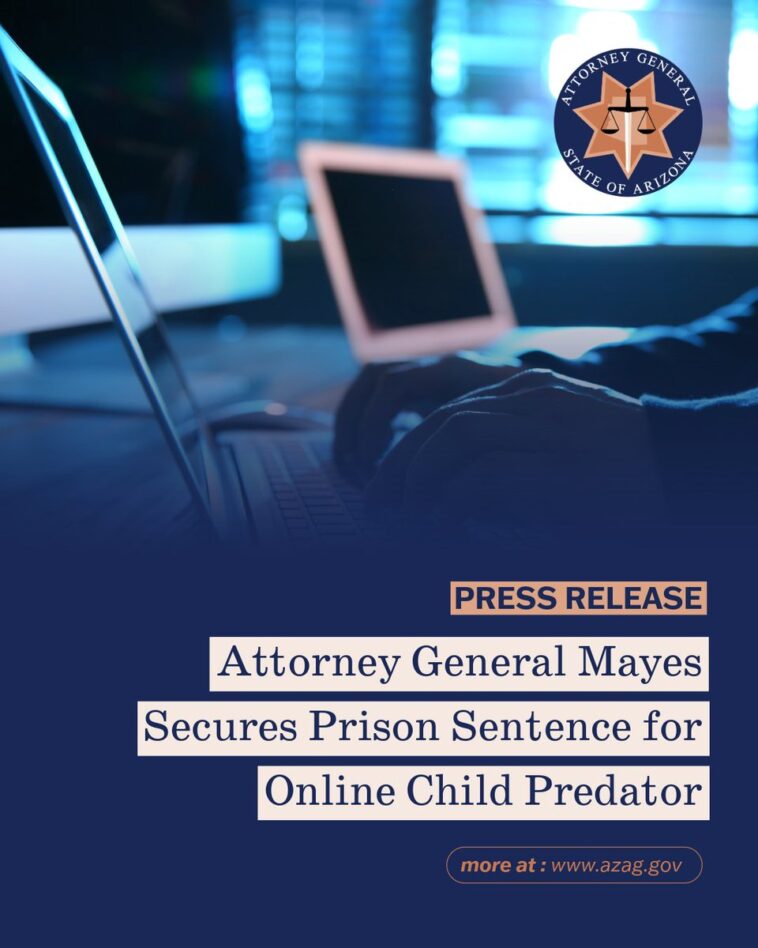
The recent sentencing of Joseph Alfrey in Maricopa County Superior Court marks an important moment in Arizona’s ongoing efforts to protect its children. Attorney General Kris Mayes’ announcement of an 8.5-year prison term for Alfrey, who pleaded guilty to charges including three counts of Attempting to Commit Sexual Exploitation of a Minor—dangerous crimes against children—and one count of Possession of Narcotic Drugs, underscores Arizona’s relentless commitment to combating criminal behavior that preys on the most vulnerable. This decision, while a hard-fought victory, provides a lens into the legal world’s tangled issues, tricky parts, and off-putting twists when it comes to prosecuting such reprehensible conduct.
In this opinion editorial, we will take a closer look at the layers of this case, discuss the sentence’s far-reaching implications, and explore the broader legal milieu as it stands in Arizona today. We will also dig into the role of community engagement in safeguarding minors. Throughout, we aim to uncover the hidden complexities and little details that make such cases not only legally challenging but also emotionally charged for communities and legal practitioners alike.
Understanding the Background of the Case in Detail
At its core, the Alfrey case is a stark reminder of the enormous responsibility the legal system bears when it comes to protecting children. Alfrey’s plea to three counts of Attempting to Commit Sexual Exploitation of a Minor—a series of dangerous actions categorized under class 3 felonies—along with a separate count of Possession of Narcotic Drugs deemed a class 4 felony, paints a dark picture of criminal intent and behavior. The charges stemmed from actions that not only threatened individual victims but also undermined the safety of entire communities.
To help us better understand, consider this breakdown of the main charges and the subsequent conditions attached to Alfrey’s sentence:
- Sexual Exploitation of a Minor: These charges fall under class 3 felonies, reflecting the severity of crimes involving the abuse and exploitation of children.
- Possession of Narcotic Drugs: Classified as a class 4 felony, this charge highlights additional risks, including potential drug-fueled behavior linked to criminal activities.
The legal process in this case was far from simple. The judicial system had to work through several tricky parts—including the proper interpretation of evidence, ensuring the rights of the accused while simultaneously protecting potential victims, and managing the many small distinctions that make these cases both legally and emotionally tense. By pleading guilty, Alfrey acknowledged his role in these disturbing events, yet the legal system’s response was shaped by the many hidden complexities that underline such cases.
A visual summary of the key legal components of the case is presented in the table below:
| Charge | Classification | Key Legal Implications |
|---|---|---|
| Attempting to Commit Sexual Exploitation of a Minor | Class 3 Felony | Reflects serious, dangerous crimes against children; the legal system treats these offenses with heightened scrutiny. |
| Possession of Narcotic Drugs | Class 4 Felony | Indicates additional factors such as drug involvement which might compound the risks associated with the main criminal activity. |
This table underscores the multi-faceted nature of the charges. Each row represents not only a legal classification but also points to the multiple layers of risk and responsibility that the judicial process needs to confront when safeguarding minors. In doing so, the court is tasked with making decisions that respect legal fairness while also recognizing the nerve-racking, sometimes overwhelming, societal duty to protect children.
Examining the Sentencing Decision and Its Broader Implications
The sentencing of Joseph Alfrey to 8.5 years in prison is a decisive statement from the Arizona Attorney General’s office. Attorney General Mayes made it clear that exploiting children is not only morally wrong but also illegal, with a tough legal framework set in place to penalize such actions. The sentence was determined after careful consideration of all the tangled issues in the case, including the dangerous nature of the crimes and the associated implications for community safety.
This decision brings several critical implications to the fore:
- Deterrence: The sentence is intended to serve as a stern warning to others who might consider engaging in similar harmful activities. The decision aims to provide a clear signal that the judiciary does not tolerate behavior that endangers the lives of children.
- Judicial Responsibility: The ruling emphasizes that the legal system must manage its way carefully through cases that are loaded with problems and subtle details. With crimes of this gravity, even small distinctions can have a big impact on the final sentencing decision.
- Community Reassurance: By delivering a strong verdict, the state reaffirms its commitment to protecting its youngest citizens. For community members, especially those with children, such rulings help to allay fears and build trust in the legal system’s ability to manage a path through these nerve-racking issues.
Moreover, the aftermath of the sentencing also lays out additional corrections and safeguards:
- Lifetime Probation: Following his prison term, Alfrey is required to remain on lifetime probation. This stipulation is designed to ensure that after serving his sentence, he continues to be closely monitored, thus helping to protect the public from any potential relapse into criminal behavior.
- Sex Offender Registration: Alfrey must register as a sex offender. This measure is critical in keeping the community informed and on alert regarding individuals who have been convicted of offenses of a similar nature.
- Treatment and Counseling: Participation in mandated drug treatment and counseling programs is also part of his sentencing, aiming to address underlying issues that may have contributed to his criminal conduct.
The combination of prison time, life-long probation, and mandatory rehabilitation is designed to cover all the bases—ensuring justice is served while also safeguarding future public safety. These sentencing provisions reveal how the judicial system works through a series of interconnected legal steps, each aimed at managing and mitigating risks that are often both overwhelming and filled with tension.
Impact on Public Safety and the Community
Beyond the legal ramifications, the Alfrey sentencing has significant repercussions for both community safety and public confidence in the justice system. As community members, parents, and educators grapple with the aftermath of such crimes, the verdict acts as a rallying call for increased vigilance and proactive measures to shield children from harm. The following points illustrate the profound impact on public safety:
- Enhanced Security: With strict sentencing efforts in place, communities can experience a heightened sense of safety. Robust legal measures serve not only as punishment but also as a preventive mechanism against future offenses.
- Community Trust: When the legal system takes a strong stand on such hazardous matters, it helps to restore and maintain the trust of local communities. By addressing these nerve-racking cases head-on, the system proves it will not compromise the safety of its citizens.
- Increased Vigilance: The clear message sent out by this sentence prompts community members to be more alert and informed about potential risks, enabling them to be proactive in reporting suspicious behavior.
In a broader sense, the decision is a reminder of the intertwined responsibilities of society and its judicial systems. Protecting children is not solely the responsibility of law enforcement; it calls for increased community awareness, effective communication between local authorities and the public, and a collective effort to steer through the many small twists and turns that come with safeguarding the future of the community.
Legal and Ethical Implications for Child Protection Legislation in Arizona
Cases such as the one involving Joseph Alfrey compel us to examine the state’s child protection laws more closely. The legal framework in Arizona, though comprehensive, must continuously evolve to address the continuously shifting nature of crimes against minors. Here, we explore some of the key legal and ethical dimensions of this case:
- Balancing Justice and Reform: While the conviction and sentencing are clear markers of justice served, legal experts continuously stress the importance of refining policies to better support victims and prevent similar crimes. This requires a careful appraisal of the subtle parts—the little details that shape verdicts and policies alike.
- Ensuring Fair Treatment: Even while prosecuting dangerous behaviors, ensuring that every individual’s rights are respected and that due process is followed remains paramount. The case of Alfrey was no exception, as the court had to carefully consider all evidence and legal precedents before delivering its verdict.
- Rehabilitation vs. Punishment: A recurring debate centers on whether the justice system should focus more on rehabilitating offenders or solely administering punitive measures. The inclusion of mandatory counseling and drug treatment in Alfrey’s sentence indicates that even in the most severe cases, there is room for corrective interventions aimed at addressing underlying issues.
It is also important to acknowledge that legal decisions involving child exploitation cases often leave lasting impressions on legislation and dynamically influence future legal reforms. As lawmakers and legal professionals figure a path through these complicated pieces of jurisprudence, there exists a continuous need to update legal protocols to remain responsive to new challenges. The Alfrey case, therefore, not only serves as a personal punishment for one man’s crimes but also as a potential catalyst for broader reform in child protection legislation.
The Role of the Attorney General in Safeguarding Minors
Attorney General Kris Mayes has been vocal and resolute in her commitment to protecting Arizona’s children. Her office’s emphatic stance against crimes targeting minors sends a clear and powerful message: there is zero tolerance for the exploitation of children. In her announcement, Mayes stated, “Exploiting children is abhorrent and will not be tolerated in Arizona. My office will continue to prosecute child predators and protect Arizona’s kids.”
This statement encapsulates not only the moral and ethical urgency behind the case but also illustrates several key responsibilities of the Attorney General’s office:
- Prosecutorial Determination: It is super important for the Attorney General’s office to remain vigilant and proactive in addressing every testimony of abuse with the full weight of the law.
- Public Communication: Clear, accessible messaging helps to demystify the legal process for the general public, making it easier for community members to figure a path through the often confusing bits of legal procedures.
- Advocacy for Reform: By consistently pursuing legal action against those who harm children, the office sets the stage for future legislative improvements, pushing the boundaries of what is considered acceptable under the law.
In many ways, the role of the Attorney General extends beyond courtrooms; it is about setting the tone for broader societal values. When the head of a state takes a hard stand on such nerve-racking issues, it reassures the community that protecting children will always be a top priority—a message that resonates deeply in a world where even the slightest hint of exploitation can leave communities reeling.
A Closer Look at Sentencing Conditions: Sex Offender Registration and Beyond
Delving into the specifics of the sentencing, there are several conditions attached that warrant a closer look. Beyond serving the 8.5-year prison term, Alfrey’s lifetime probation, the requirement to register as a sex offender, and mandatory participation in drug treatment and counseling play critical roles in the overall judicial strategy.
Let’s break down these conditions and why they are considered essential:
- Lifetime Probation:
This means that even after serving his term, Alfrey will continuously be under judicial supervision. Lifetime probation acts as a continuous safety net for the community by ensuring that any potential relapse or continuation of dangerous behavior is detected early and addressed appropriately.
- Sex Offender Registration:
By mandating Alfrey to register as a sex offender, the legal system ensures that law enforcement and the public can maintain vigilance regarding his whereabouts and behavior. This registration is a critical, non-negotiable measure meant to deter future misdeeds and protect potential future victims.
- Drug Treatment and Counseling:
This requirement acknowledges that criminal behavior often intertwines with underlying personal issues. Mandating treatment and counseling is designed to help address such personal factors—not as a substitute for punishment, but as a means of reducing the likelihood of reoffense through comprehensive rehabilitation.
To further clarify these sentencing conditions, consider the following table that outlines each component and its intended purpose:
| Condition | Explanation | Purpose |
|---|---|---|
| Lifetime Probation | Continuous judicial supervision after prison term | Ensures ongoing monitoring of behavior to prevent recidivism |
| Sex Offender Registration | Mandatory registry entry as a convicted sex offender | Increases public and law enforcement awareness of potential risks |
| Drug Treatment and Counseling | Participation in programs aimed at addressing substance abuse and behavioral issues | Reduces underlying risks associated with criminal behavior and supports rehabilitation |
This multi-pronged approach demonstrates that while punishment is an essential element of justice, treatment, and community protection measures are equally significant. The goal is to steer through the many small twists of legal resolutions in a way that maximizes public safety and minimizes the risk of future harm.
Why Community Engagement is Essential in the Fight Against Child Exploitation
While the conviction of Joseph Alfrey sends a clear message from the state’s legal authorities, it also highlights the indispensable role of public awareness and community engagement in the broader strategy to combat child exploitation. Protecting children is a collective responsibility that extends far beyond the courtroom. It involves policymakers, educators, law enforcement, social workers, and the community at large.
Community engagement in cases like this is crucial for several reasons. First, it increases vigilance among those who are directly affected by these crimes—parents, teachers, and community leaders who are often the first to notice signs of trouble. Second, it creates a network of support that can help victims and prevent further exploitation. Finally, it fosters an environment where maintaining transparency in legal proceedings and public policies becomes a super important priority.
The Importance of Public Awareness in Child Protection
Ensuring that the public is well-informed about the dangers and realities of child exploitation is a key component of preventing future crimes. When citizens are aware of the risky behaviors and the legal ramifications attached to such offenses, they are better equipped to take preventative action. Here are some ways in which public awareness plays an essential role:
- Reporting Suspicious Activity: Educated community members are more likely to report potentially dangerous behavior to the authorities, thus acting as a first line of defense against criminal activities.
- Empowering Victims and Families: Awareness initiatives can provide clear pathways for victims or concerned individuals to seek help, thereby reducing the nerve-wracking isolation often felt by those affected.
- Enhancing Legal Understanding: Public awareness campaigns that explain the little details of legal processes help demystify the outcomes of sensitive cases, building trust in the legal system.
- Community Vigilance: Well-informed citizens can organize community watch programs or collaborate with local law enforcement, making it easier to spot red flags before they escalate.
Various local organizations have developed resources such as seminars, online materials, and support groups, all aimed at building a community that is resilient in the face of potential threats. These efforts not only reinforce the immediate goals of legal injunctions but also nurture long-term preventative strategies that are essential in a dynamic legal landscape.
Legal Reforms and Future Challenges Ahead
While the Alfrey case is a notable instance of strong legal action, it also brings into sharper focus the persistent challenges that legal practitioners face when dealing with cases riddled with tension and full of problems. As crime tactics evolve, so must legal strategies and legislation. Future challenges include:
- Adapting Legal Frameworks: The legal process needs to keep up with the ever-changing nature of criminal behavior. Legislatures may need to reexamine the fine points of existing laws to close any loopholes that perpetrators might exploit.
- Balancing Rehabilitation with Punishment: As we work through these tricky parts, finding the right balance between punitive measures and rehabilitative support remains a contentious, yet critical, area of reform.
- Incorporating Technological Advances: With an increase in digital crimes—including the proliferation of child sexual abuse material—updating the legal toolkit to handle online evidence and cybercriminal activity is indispensable.
- Ensuring Victim Support: Legal reforms must simultaneously focus on enhancing support systems for victims, ensuring that they receive both legal and psychological assistance throughout the judicial process.
State and federal lawmakers are constantly engaged in discussions on how to update current statutes and procedures that influence how similar cases are prosecuted in the future. These discussions dig into the subtle parts—the little details—that can ultimately make a significant difference in both the sensitivity and efficacy of legal proceedings.
Opinion Conclusion: A Hard-Earned Victory in the Battle Against Child Abuse
It is evident that the case of Joseph Alfrey, culminating in an 8.5-year prison sentence, stands as a testament to Arizona’s unwavering commitment to child protection. The decision by Attorney General Kris Mayes not only punishes a grave offense but also lays down a marker for the kind of strict and comprehensive approach needed when it comes to dealing with crimes against children.
From understanding the tangled issues and tricky parts of the legal reasoning behind the charges, to appreciating the broader community and ethical implications of the sentence, every aspect of this case is replete with layers that require both legal finesse and strong moral resolve. The conditions tied to Alfrey’s sentence—lifetime probation, mandatory sex offender registration, and the requirement for drug treatment and counseling—are all intended to ensure that justice is served and that the safety of the community remains the super important priority.
This case also calls for an ongoing dialogue about the necessity of community involvement in protecting children. Public education, awareness initiatives, and stronger reporting mechanisms are all key components in the broader effort to prevent future exploitation and abuse. In cases as nerve-racking and intimidating as these, everyone from law enforcement to local residents has a role—a shared responsibility—to act swiftly upon any warning signs.
While legal proceedings like these are inherently complicated pieces riddled with tension, they also shine a light on the essential need for cooperation between the judiciary, local government, and the public. The multi-faceted approach used in this case, combining stringent punitive measures with supportive rehabilitation initiatives, ideally sets a standard for future cases.
Moreover, the decisive action taken by Attorney General Mayes reassures the public that criminal abuse of children will always be met with the full force of the law. Although the process of finding one’s way through the layers of legal and ethical responsibility in such cases can sometimes seem overwhelming, it is exactly this commitment that ensures our children remain safe.
For anyone invested in the future of our communities, the takeaway is clear: the battle against child exploitation demands constant vigilance, proactive legislation, and a united front from all sectors of society. More than just a punitive measure, the judgment in the Alfrey case is a clarion call to continue improving our systems of justice, relevant laws, and community support networks to ensure that in the twist and turns of our legal system, the safety of our children is never compromised.
Reflecting on this case, it becomes apparent that every decision made within the legal framework—from a plea agreement to sentencing conditions—carries profound consequences, not only for the individuals involved but also for the collective conscience of the community. As we figure a path through these challenging issues, it is critical that every step taken is informed by both legal expertise and a compassionate pursuit for societal well-being.
In conclusion, while the outcome of the Alfrey case is undoubtedly a hard-earned victory against child exploitation, it also reminds us that the fight against such despicable crimes is continuous. We must remain alert, adaptable, and resolute in our efforts to tackle every tangled issue and nerve-racking decision with the care and seriousness it demands. The responsibility to protect our children is a must-have principle—a fundamental commitment that defines the integrity of our justice system and the strength of our communities.
Originally Post From https://www.azag.gov/press-release/attorney-general-mayes-announces-prison-sentence-child-sexual-abuse-material-case
Read more about this topic at
Justice for Children
Justice with Children