Boxing and the Law: A Closer Look at the Chavez Jr. Case
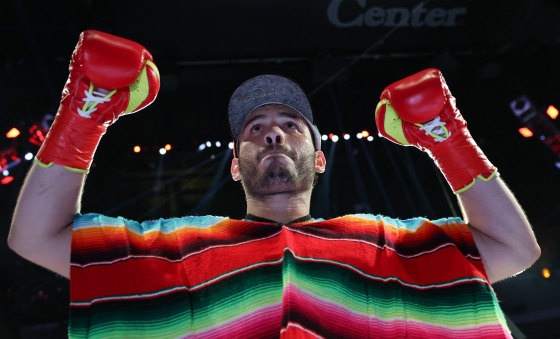
In recent days, the legal world has been abuzz with the news that boxer Julio César Chávez Jr. is set to face trial in Mexico. The allegations involve ties to cartel operations and arms trafficking. This case has become a lightning rod for debates regarding international law, deportation, and how high-profile individuals interact with legal systems in multiple jurisdictions. In this opinion editorial, we’ll take a closer look at the various tangled issues surrounding the case, examine the legal twists and turns, and explore what it means for the future of legal proceedings when personal reputation and criminal allegations intersect.
At its core, this case is not simply about a former athlete and a set of charges—it underscores larger problematic debates about deportation, the U.S.-Mexico legal ties, and the broader context of transnational crime. Today, we will poke around some of the key legal points, dig into the institutional responses, and try to figure a path through this maze of legal challenges.
Understanding the Legal Background and Deportation Process
The arrest of Julio César Chávez Jr. took place outside his Los Angeles residence after allegations of overstaying his visa and providing inaccurate details on his green card application came to light. His deportation on August 19 was swift, further intensifying public interest in how U.S. immigration law interacts with international deportation practices.
From a legal standpoint, deportation cases can often be intimidating and full of problems, riddled with tension from both a humanitarian and procedural viewpoint. The Chavez case is no different. His deportation, which occurred only days after his highly publicized fight with prominent boxer Jake Paul, also illustrates the challenging bits of how legal measures can sometimes become entwined with celebrity culture.
The Deportation Process and Its Tricky Parts
The deportation process has several nuanced steps that most people might find overwhelming if they try to get into all the fine points without legal counsel. It involves:
- Legal Documentation: Questionable identification, visa issues, and incomplete or inaccurate applications can all be a tangled web to sort out.
- International Cooperation: The cooperation between U.S. immigration authorities and Mexican officials raises issues about jurisdiction and the enforcement of law across borders.
- Time Constraints: The rapid execution of deportation, as seen in Chávez Jr.’s case, leaves little room for contesting the evidence before the process is set in motion.
In situations like these, the requirement to figure a path forward is compounded by not only the legal jargon but also the situational pressure that comes with high-profile cases. Many observers have noted that the deportation of such a well-known figure can set a precedent when similar cases arise in the future, especially in matters related to alleged cartel ties.
Examining the Allegations: Cartel Ties and Arms Trafficking
The charges against Chávez Jr. include allegations of cartel involvement and arms trafficking—an explosive combination that ties together the world of professional sports and organized crime. While his lawyer, Rubén Fernando Benítez Alvarez, has dismissed these claims as nothing more than “speculation” and “urban legends,” the legal community remains divided over the evidence that the prosecution may eventually present.
In any case such as this, the legal system faces a maze of tricky parts as it investigates allegations loaded with issues that span several legal systems and cultural contexts. Critics have argued that the complexities in proving cartel ties in court can be nerve-racking, not just because of the high stakes but also because such cases tend to involve the messy bits of witness credibility, forensic evidence, and international law.
Delving into the Allegations: Legal and Public Perception
It is important to recognize the dual function of legal cases like these: first, as a matter of public safety and enforcement of the law, and second, as a demonstration of how high-profile figures are not above scrutiny. The case against Chávez Jr. involves several layers of forensic investigation, digital evidence, and legal testimonies—all of which must be pieced together in a court of law.
Public perception in such cases is often influenced by several factors, including:
- Media Coverage: As with many high-profile cases, the press can sometimes feed the fire by focusing on the celebrity status rather than the actual charges.
- Legal Ambiguities: The fine shades that separate speculation from concrete evidence can leave a lot of room for interpretation, making a case feel more overwhelming to the average citizen.
- Historical Precedents: Past cases where public figures have been accused of serious charges have often been on edge situations that were later clarified through detailed legal proceedings.
By taking a closer look at the evidence gathered so far, it becomes clear that the trial will likely aim to steer through these difficult legal junctures with a focus on the little twists that determine whether the charges stick or fall apart.
Impact on U.S.-Mexico Legal Cooperation
This case shines a light on the broader implications for U.S.-Mexico legal cooperation—an area that has seen its fair share of twists and turns over the years. The operational procedures that led to Chávez Jr.’s deportation underscore how interconnected the legal frameworks of neighboring countries are, especially when it involves deportation and extradition requests.
The legal dynamics in transnational cases involve several delicate points:
- Jurisdictional Overlap: Coordinating legal jurisdictions across U.S. and Mexican borders can be a complicated piece, often leading to delays or legal disputes about which country’s laws take precedence.
- Information Sharing: The process of sharing investigative data between agencies in both countries is essential but can be a nerve-wracking endeavor due to privacy concerns and bureaucratic hurdles.
- Policy Implications: Political pressure, such as that exerted by recent U.S. administrations on Mexico to crack down on organized crime, adds another layer of complexity and tension to these legal processes.
For legal scholars and policy analysts alike, the Chavez Jr. trial provides an opportunity to dig into the effectiveness of international legal cooperation. This case is particularly instructive when it comes to understanding how deportation and extradition are managed when high-profile individuals cross international borders.
Key Policy Considerations for Transnational Legal Cooperation
There are several critical matters to consider in relation to this case, some of which include:
- Effective Communication Between Agencies: Ensuring that immigration authorities, federal law enforcement, and judicial bodies on both sides of the border are effectively aligned is essential to prevent the process from becoming off-putting.
- Ensuring Fair Trial Standards: High-profile cases require transparency and strict adherence to legal guidelines, even when the public and media pressures are overwhelming. The emphasis is on protecting both the rights of the accused and the integrity of the legal process.
- Political Diplomacy and Public Opinion: As political dynamics evolve within and between the U.S. and Mexico, the influence of political pressure on legal decisions remains a charged and delicate issue.
Legal experts are watching closely to see how these issues will be managed as the trial unfolds. The result might well affect not only the future legal landscape in border-related cases but also shape public trust in cross-national legal systems.
Celebrity, Legal Reputation, and the Court of Public Opinion
The trial of a well-known sports figure such as Chávez Jr. has broad implications beyond the courtroom. Media coverage of the case has been extensive, and the public’s response has been a mix of skepticism, incredulity, and curiosity. When a figure with a celebrated background in sports is embroiled in a legal scandal, the intersection between celebrity and the law becomes a challenging piece to examine.
For the general public, the case represents an opportunity to understand that no one is above the law. However, it also forces us to consider how personal reputation and previous accomplishments weigh against the demands of justice. It is important to remember that established principles of due process must dictate the outcome, regardless of how compelling a public persona might be.
While some supporters and fans of Chávez Jr. argue that media narratives around his case are often exaggerated, others believe that a fair and thorough investigation is necessary to ensure that any criminal activities are appropriately addressed. The reality is that cases like this often force legal systems to work through a series of complicated pieces—and each step is closely scrutinized by both legal experts and civic observers.
Media Influence and Public Perception
The way the media covers such cases can significantly impact public perception. The following bullet list summarizes some of the factors that come into play:
- Selective Reporting: Media outlets may emphasize the more sensational aspects of the case rather than focusing on the detailed legal evidence at hand.
- Public Sentiment: The reputation of a celebrity can evoke strong emotions, making it difficult for some observers to maintain an unbiased stance until all facts are available.
- Legal Expertise vs. Pop Culture: There is often a tension between expert legal analysis and the simplified narratives preferred by mainstream media, especially in cases involving high-profile figures.
- Social Media Dynamics: Online platforms can accelerate the spread of unverified information and speculative commentary, complicating the process of forming a well-informed public opinion.
These factors highlight the importance of keeping a measured and rational approach to the proceedings as they unfold. It is super important that legal procedures are respected and that the outcome is driven strictly by the merits of the case rather than by reputational factors or media hype.
Domestic and International Implications of the Trial
The Chavez Jr. trial is expected to cast long shadows both domestically within Mexico and internationally, particularly in terms of how countries address organized crime and extradition processes. The legal outcomes of such cases carry the potential to influence future policies and shape the procedures used in similar situations around the world.
For countries dealing with similar issues, the legal battle serves as a noteworthy example of the challenges that arise when personal actions are entwined with broader issues of international crime. The case pushes policymakers and legal institutions to examine the following key aspects:
- Reform of Extradition Agreements: The case highlights areas where international extradition processes may need adjustments to ensure more coherent cooperation between nations.
- Implementation of Stricter Immigration Scrutiny: As seen with Chávez Jr.’s earlier issues in the U.S., the need for vigilant review of immigration documents is a clear takeaway that could influence future policy reforms.
- Maintaining Judicial Independence: It remains essential that legal decisions are made based solely on facts and evidence, irrespective of political or public pressure.
For legal professionals and government officials alike, this case is a reminder that the system must continually evolve to properly address the changing landscape of international crime. The necessity of rethinking certain aspects of legal cooperation is both challenging and essential.
Legal Reform and Policy Considerations
In managing cases like this, policymakers face several key policy puzzles that are loaded with issues:
- Cross-border Judicial Protocols: Establishing consistent protocols that work across the U.S. and Mexico is crucial for smoothing out the juridical process when individuals slip through legal cracks.
- Transparency in Evidence Presentation: As technology advances, the fine details of digital evidence and forensic reports become super important in courtrooms, and reform may be needed to standardize such procedures internationally.
- Public Trust in the Legal System: Trust can hinge on meticulous and fair legal proceedings—any missteps or controversial decisions can lead to widespread distrust in both domestic and international legal institutions.
By taking a closer look at these legal puzzles, it becomes evident that Chávez Jr.’s trial is more than just the indictment of one individual. It is emblematic of the broader challenges that legal systems face when coping with transnational crime and the demands of an ever-changing globalized world.
Comparative Perspectives: Lessons from Other High-Profile Cases
When comparing the Chávez Jr. trial with past high-profile cases, one can gain insight into the recurring legal twists and turns that come with celebrity indictments. Several cases in recent years have seen similar themes, where public interest and multifaceted legal complexities intertwine to create procedurally burdensome situations.
Looking at these cases side by side can help us understand the following key aspects:
- The Role of Expert Testimony: Expert witnesses in forensic accounting, digital investigations, and criminal psychology have often played super important roles in clarifying the little twists that influence the outcomes in such cases.
- Media Versus Legal Realities: While media narratives tend to simplify the story into either dogma or drama, the real legal battles tend to be much more complicated pieces that require careful, step-by-step analysis.
- Outcome and Precedent: Each case sets a new benchmark. The eventual outcome of Chávez Jr.’s trial may well serve as a precursor for future legal actions against other prominent figures facing similar charges.
A comparative review is useful not only for legal scholars but also for the public, who benefit from understanding the ways in which procedural justice is administered. In many instances, outcomes have been impacted by the very public and heated debates that arose even before guilt or innocence was established in the courtroom.
Case Studies and Public Reaction
Let’s look at a simplified table summarizing the timelines and reactions of past high-profile cases for an overview:
| Case | Key Allegations | Legal Outcome | Public Reaction |
|---|---|---|---|
| Celebrity A | Immigration and financial mismanagement | Settled out of court | Mixed sentiments, with media frenzy |
| Celebrity B | Fraud and organized crime links | Trial with lengthy proceedings | Intense public scrutiny and debates |
| Chavez Jr. Case | Cartel ties and arms trafficking | Trial pending, with additional evidence under investigation | Polarized view among supporters and critics |
This comparative view reveals that Chávez Jr.’s situation is not an isolated phenomenon. Rather, it reflects the ongoing challenges faced by legal systems when trying to balance media pressure with the little details of solid evidence and due process.
The Future of International Legal Proceedings in High-Profile Cases
The international legal landscape is evolving, and cases like that of Julio César Chávez Jr. play an important role in shaping future responses to complex situations. Both legal experts and policymakers are watching closely to see how the charges and subsequent trial unfold, paying particular attention to the following aspects:
- Transnational Evidence Handling: With the growing use of digital tools in legal investigations, there is an ongoing need to create a framework that supports the secure sharing of evidence across borders.
- Judicial Coordination: How national courts coordinate when a case crosses international boundaries is a significant question, full of problematic pieces that require innovative legal solutions.
- Legislation and Reform: The outcome of this trial might prompt legislative reform in how deportation and extradition processes are conducted, ensuring smoother passage for justice across national barriers.
Legal analysts argue that the implications of this case extend far beyond an individual’s fate. The way in which the legal system deals with Chávez Jr.’s complicated charges could set a new standard for future high-profile cases involving cross-border issues. Observers believe such outcomes might lead to more coordinated international legal frameworks and improved transparency in legal proceedings.
Emerging Legal Trends and Their Impacts
Several emerging trends in the international legal arena are noteworthy:
- Increased Use of Digital Forensics: As courts continue to rely on digital evidence, ensuring its integrity and authenticity becomes a super important aspect of modern legal proceedings.
- Enhanced Cross-Border Cooperation: New protocols and agreements may be necessary to ensure that law enforcement agencies on both sides of the border can share critical information without bureaucratic delays.
- Streamlined Extradition Procedures: Future legal reforms might simplify the extradition process, which remains one of the trickiest parts in international legal disputes today.
These trends signal that legal systems worldwide are gradually adapting to the demands of a globalized society. Cases like Chávez Jr.’s have a way of magnifying the need for changes that protect both the rights of individuals and the integrity of international legal processes.
Cultural and Social Implications of the Trial
Beyond the legal and judicial rooms, the Chavez Jr. trial also has significant cultural and social implications. In a society where celebrity influence is strong, the case raises challenging questions about accountability, public image, and the possibility of redemption. The legal saga is intertwined with the cultural narrative of a celebrated sports figure grappling with serious allegations, which in turn affects public sentiment and social perceptions.
There are several subtle parts to unpack when it comes to the cultural impact:
- Role Model Status: When public figures face legal scrutiny, their previous contributions to sports and society are often re-evaluated under the harsh light of the law. This re-examination can be both inspiring and sobering for fans and citizens alike.
- Celebrity Justice: Many argue that the justice system should not differentiate between the well-known and the unknown. However, the intense media focus can sometimes tilt public perception, making the legal debate even more emotionally charged.
- Impact on Future Generations: The societal expectation for accountability and integrity among public figures becomes a must-have benchmark that influences behavior across the board, from sports to entertainment and beyond.
In this environment, it is critical that the public remains informed through factual, balanced discussions. The Chavez Jr. trial serves as a catalyst for broader debates on how society should respond when celebrity status collides with the reality of legal culpability.
Societal Lessons and Reflections
Society can learn a number of key lessons from this trial, including:
- The Importance of Due Process: Despite the overwhelming nature of high-profile cases, the principle that everyone is entitled to a fair trial remains super important.
- Media Literacy: Consumers of news must stay critical of sensational headlines and seek a deeper understanding of the legal evidence presented, rather than relying solely on media narratives.
- Empathy and Accountability: While it is natural to empathize with public figures admired for their past achievements, it is equally necessary to hold them accountable when evidence suggests wrongdoing.
By reflecting on these societal implications, the public can contribute to a more informed and balanced discourse regarding not only this trial but also the broader intersection of celebrity and law.
Conclusion: Reflecting on the Future of Transnational Legal Cases
In summary, the trial of Julio César Chávez Jr. offers a rich case study that touches on many of the tricky parts inherent in modern legal disputes. From the immediate concerns over deportation and cartel tie allegations to broader issues of media influence, international legal cooperation, and cultural impact, this case stands at the intersection of numerous complex debates.
For legal professionals, policymakers, and everyday citizens, it becomes super important to find your way through the maze of evidence, legal testimony, and public opinion alike. The outcome of this case could reshape perspectives on how all stern allegations—especially those that cross national borders—are managed in the future.
At a time when international legal proceedings are more pressing than ever, it is critical that decisions are made based on solid evidence and tempered by an understanding of the many subtle details that fill the spaces between headline-grabbing charges and the judicial record. As the trial progresses, the world watches not only for a verdict on one individual but for clear signals about the strength and fairness of our international legal systems.
High-profile cases such as this force us to take a closer look at our legal frameworks and remind us that every individual, regardless of celebrity status, must be treated with the same level of legal scrutiny and fairness. This is a powerful statement about the nature of justice in a globalized world, where every twist and turn ultimately contributes to a more just and accountable society.
In the coming months and years, the implications of this case will likely inspire changes in legal policies and extradition practices on both sides of the border. The lessons learned—both positive and cautionary—will serve as a guide for future transnational legal proceedings, ensuring that even in the most intimidating of circumstances, the truth can emerge from the tangled issues that cloud our legal systems.
As we continue to monitor the trial and its consequences, society stands at a critical juncture: the need to uphold fairness, respect due process, and foster cooperative international legal work has never been clearer. In this moment, the Chavez Jr. case is more than just a trial; it is a mirror reflecting all the challenges and possibilities that the global legal landscape must navigate in the 21st century.
Originally Post From https://www.kgun9.com/us-news/crime/boxer-julio-cesar-chavez-jr-to-stand-trial-in-mexico-over-alleged-cartel-ties
Read more about this topic at
Boxer Julio César Chávez Jr. to stand trial in Mexico over …
Julio Cesar Chavez Jr. to go on trial over alleged cartel ties