
Examining the Police Body Camera Evidence in Child Abuse Cases
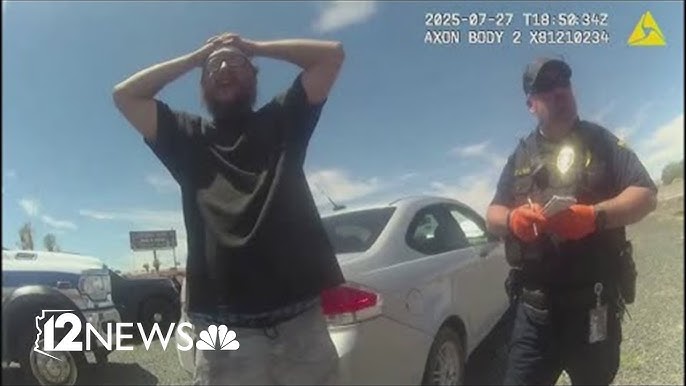
The recent body cam footage from Apache County, Arizona has once again brought into sharp focus the tricky parts of handling child abuse cases in our legal system. The graphic and harrowing images portraying the final moments of 10-year-old Rebekah Baptiste’s life have sparked widespread debate about the accountability of caregivers and the role of police evidence in such cases. In this opinion editorial, we get into the details of what this evidence means for society, how the law addresses neglect and abuse of children, and why each little twist in the case demands a closer look.
At the heart of this story is the release of chilling police body camera footage showing desperate moments as authorities tried to save a young life that had already been compromised by severe and sustained abuse. Rebekah Baptiste, a seemingly frail and malnourished child, was admitted to a hospital under circumstances that, according to forensic experts, did not match the couple’s account that she had fallen into a wash. This disconnect between the description and the factual medical reality introduces several tangled issues that will need to be carefully managed by the courts.
Understanding the Legal Ramifications of the Rebekah Baptiste Case
This case raises a host of legal complications that extend far beyond the immediate tragedy of a life lost. It forces us to ask important questions about how our legal and child welfare systems handle prior cases and recurring warning signals. The twisted details of the couple’s account, in which the father and his girlfriend—accused of murder and child abuse—contradict the forensic evidence, point to an intense tension in both familial relationships and legal oversight.
Legally, the police body camera evidence serves as a crucial piece of information. It shows a moment where the girlfriend, a former nurse, admitted that she did not perform complete cardiopulmonary resuscitation (CPR) during the rushed attempt to save Rebekah. Her decision to administer only “rescue breaths” instead of full CPR, combined with her explanation that she was too scared, highlights a nerve-racking level of ignorance and cowardice that directly contributed to the child’s fatal outcome.
Such desperate actions prompt the legal system to take a closer look at the concept of duty of care. The responsibilities of caregivers, particularly those with previous experience or training in medical emergencies, are well defined. However, when those responsibilities are deflected or intentionally ignored, the result is a legal landscape that is both confusing and overwhelmed with challenges.
The case illustrates how buried evidence, such as contradictory forensic reports and official statements, must be brought to light and scrutinized. The question now becomes: how does the legal system identify and process the myriad of little details that ultimately lead to conclusions about guilt or innocence? For legal professionals, every detail—no matter how small—can prove essential for reaching a just verdict.
The Role of Forensic Evidence in Unraveling the Truth
Forensic evidence can be a double-edged sword in cases like these. On one hand, it provides an objective account of events by comparing physical injuries with the narratives provided by caregivers. On the other hand, the fine points of each case often present confusing bits that are difficult to reconcile with the official stories. In Rebekah Baptiste’s case, doctors have stated that the head-to-toe injuries seen on her body were inconsistent with the claim that she fell into a wash, further complicating the narrative spun by her father and his companion.
It is critical for legal and forensic experts alike to get into the little details of the case. Professionals are now tasked with reviewing the body camera footage, the medical evidence, and prior interactions with the Department of Child Safety (DCS). This comprehensive approach is necessary not just to build a robust case against the accused, but also to work through the broader implications for child welfare services in Arizona.
Putting it differently, the forensic evidence lends weight to the argument that there may have been deliberate neglect involved. The clear disparity between the injuries observed on Rebekah’s body and the couple’s story not only casts doubt on their credibility but also underscores the need for reform in how quick responses are handled by both police departments and child protection agencies.
Below is a table summarizing the timeline of events and key evidence in this case:
| Event | Detail |
|---|---|
| July 27, 2025 | Body cam footage captured during the car ride with the girlfriend admitting hesitation in providing proper CPR. |
| Incident at Highway 180 | Authorities administered CPR in a gravel parking lot, attempting to save Rebekah who was already showing extensive injuries. |
| Medical Intervention | Rebekah was rushed to a Winslow medical facility and later flown to Phoenix Children’s Hospital where she was placed on life support. |
| July 30, 2025 | Rebekah’s life support was terminated following extensive brain bleeding, marking the end of a tragically short life. |
| Upcoming Court Date | Woods and Baptiste are set to appear in court on September 4, 2025, to face charges related to murder and child abuse. |
This table neatly encapsulates the key events and underscores the importance of both documented evidence and testimonial accounts in aligning legal strategy with forensic proof.
The Impact on Child Protection and the Department of Child Safety
One of the most complicated pieces of this case is the couple’s historical interaction with the Department of Child Safety. Both are reported to have acknowledged previous interventions from DCS, where Rebekah allegedly displayed bruises and signs of physical abuse. This fact introduces a whole new layer of twist and turns into the legal discussion.
Child protection agencies are expected to be super important safeguards for vulnerable children. However, when cases such as Rebekah Baptiste’s surface, they reveal a system that is, at times, overwhelming to manage and riddled with tension. Throughout the years, multiple allegations and reports may have flowed through the system, yet effective remedial action was not taken swiftly or thoroughly enough, leaving a child exposed to prolonged abuse.
What this case clearly underscores is the need to review protocols and establish tighter thresholds for intervention. Legal experts and policymakers must sort out ways to work through the bureaucratic roadblocks that sometimes prevent timely and decisive action by child protection agencies. The chain of small missteps—each seemingly minor but together forming a dangerous pattern—reminds us of the need to flush out every hidden complexity within these systems.
To better illustrate the roles and shortcomings of the child protection network in this case, consider the following bullet list outlining challenges faced by the DCS:
- Difficulty in verifying the veracity of repeated allegations.
- Fragmented communication between law enforcement and child protection agencies.
- Inadequate training for caregivers and responders in emergency child safety protocols.
- Lack of swift, decisive action even in the face of clear signs of abuse.
- Long-term exposure to risky environments without effective follow-ups and monitoring.
Each of these factors contributed to the circumstances that resulted in a preventable tragedy. In re-evaluating these procedural lapses, the law is forced to confront more than just the individual responsibility of a caregiver—it must address systemic problems that have repeatedly failed some of the state’s most vulnerable residents.
The Significance of Clear and Consistent Accountability
A key takeaway from this case is the necessity for clear legal accountability when it comes to responsibilities in caregiving, especially in extreme situations. The statements captured on body cam footage indicate that not only was there neglect, but there was also a level of confusion and apparent fear that further undermined the reliability of the account given by the accused. In many ways, this case brings forward the problem of accountability in a system that is supposed to protect children at all costs.
The legal responsibility for child safety is manifold. On the one hand, we have the direct legal implications for the accused: murder and child abuse charges. On the other hand, there are challenges related to the broader system designed to monitor and regulate these very situations. When statements like “I didn’t even think to start CPR” are recorded, they do more than merely document an oversight—they expose how negligence and miscommunication can result in irreparable harm.
The issue of accountability extends to multiple layers, including:
- Direct caregivers who are entrusted with the child’s well-being.
- Medical professionals, whose expertise could have made a difference in emergencies.
- Law enforcement officers who capture and interpret evidence through tools like body cameras.
- And the child welfare systems that monitor recurring cases and share vital information quickly.
Ensuring that every one of these parties is held responsible when things fall apart can help prevent such nerve-racking oversights. It may also restore public confidence in a system that is currently seen as literally battling on the edge between intervention and neglect.
Policy Reforms for a Safer Future in Child Welfare
The tragic death of Rebekah Baptiste calls for a series of policy reforms aimed at both the child welfare system and the legal response to such cases. Critics argue that this case is a wake-up call highlighting years of neglected warning signs—issues that have been full of problems long before the fatal incident occurred. In considering policy changes, legal experts and lawmakers should consider the following measures:
- Enhanced Training for Emergency Responders: Mandating comprehensive training for anyone involved in child care, including non-professionals who may be present during a crisis, can help ensure that rescue procedures like full CPR are properly administered.
- Better Coordination Between Agencies: Improved communication protocols between police, medical responders, and child protection agencies would help in sharing critical information early, reducing delays in life-saving actions.
- Stricter Monitoring of Child Welfare Cases: When children are known to be in risky situations, frequent and more detailed check-ins by state agencies should be enforced, ensuring that any new signs of abuse are addressed immediately.
- Clearer Legal Standards for Neglect: Establishing strong legal definitions of neglect and abuse, particularly in cases involving medical emergencies, will aid in building cases that hold caregivers accountable.
Each of these proposals addresses different tangled issues that have long hampered efforts to shield children from harm. For legal professionals, these policy upgrades are not just abstract ideas; they’re critical steps toward making our communities safer for the most vulnerable.
A useful table summarizing potential reforms and their intended outcomes is found below:
| Proposed Reform | Intended Outcome |
|---|---|
| Enhanced Training for Emergency Responders | Ensure that proper life-saving measures such as full CPR are administered even in nerve-racking situations. |
| Better Coordination Between Agencies | Simplify the communication chain between law enforcement, medical teams, and child protective services so that warnings are heeded more swiftly. |
| Stricter Monitoring of Child Welfare Cases | Prevent prolonged exposure of children to dangerous environments by instituting regular check-ups and risk assessments. |
| Clearer Legal Standards for Neglect | Aid courts and law enforcement in distinguishing between accidental oversights and deliberate neglect or abuse. |
This structured approach, combining legal reform with improved administrative oversight, is key to preventing future tragedies. By working through the scattered pieces of our current system, lawmakers may finally be able to build a framework that protects children more effectively.
The Role and Reliability of Police Body Cameras in Modern Investigations
One cannot overlook the role that police body cameras have played in this case. While the footage has stirred emotions and raised public scrutiny, it also introduces its own set of complicated pieces that must be carefully weighed by the judiciary. Body cameras have become a double-edged tool in legal investigations—on one side, they provide undeniable visual evidence, and on the other, they capture spontaneous, unfiltered moments that often leave much to be interpreted.
In the context of child abuse cases, having visual documentation can help clear up ambiguities caused by conflicting accounts. However, these recordings also bring to light the human side of both victims and perpetrators, often in nerve-racking detail. For instance, the recorded admission by the accused caregiver that she “forgot” to perform full CPR, mixed with the candid fear displayed when noticing a “bulge in her chest,” exposes the small distinctions between human error under stress and willful negligence.
Legal professionals must figure a path through this type of evidence. It is important to balance the emotional response evoked by the footage with a careful analysis of its content in the context of established legal standards. This means separating the raw, potentially overwhelming images from the factual details that can actually sway a courtroom’s decision.
In order to get around the challenges presented by such visual evidence, courts are increasingly leaning on expert testimony. Medical experts, forensic analysts, and child safety investigators are now often called upon to interpret what is captured on camera. Their insights help sort out the subtle details that might otherwise be lost in a rush of emotion or sensational headlines.
For those who feel troubled by the raw, unedited perspective provided by body cameras, it is important to remember that the recorded footage is just one piece of a larger puzzle. The full context of the case—encompassing witness statements, past interactions with child welfare, and forensic analysis—must all be taken into account to reach a fair legal conclusion.
Reflecting on the Broader Societal Implications
The Rebekah Baptiste case is not an isolated incident—it is symptomatic of larger, systemic issues concerning child care, legal responsibility, and public trust. There is a lingering question about whether society is doing enough to protect its vulnerable members. Each piece of media coverage, court appearance, and policy debate contributes to a narrative that is both overwhelming and deeply troubling.
Many families today are faced with the nerve-racking challenges of balancing strict legal requirements with the unpredictable circumstances of everyday life. However, cases of clear neglect and abuse, as demonstrated by the testimony and evidence in this case, force us to re-examine whether our social and legal frameworks currently provide an essential safeguard for children.
In light of this, several stakeholders—ranging from local law enforcement agencies to federal lawmakers—must take a closer look at the entire process from abuse detection to effective intervention. It is not enough to react only after a tragedy has occurred; proactive measures must be put in place to help identify potential risks and eliminate them before they result in irreversible harm.
This is a time for honest discussion about how intertwined our social services are with our legal systems. Stakeholders need to work together to streamline responsibilities, ensuring that no warning sign goes unnoticed or unaddressed. Such improvements would not only save lives like Rebekah’s but would also strengthen public confidence in the institutions entrusted with the care of children.
Community Reactions and the Justice System’s Response
The public reaction to the body cam footage and the ensuing legal actions has been one of shock and sorrow. Discussions in community forums, social media, and local gatherings reveal a tense atmosphere where anger and grief blend with demands for justice and change. Many argue that a system that appears to have repeatedly failed to protect a vulnerable child needs urgent reform.
While the emotional response is entirely understandable, it emphasizes the importance of a balanced and neutral approach from our justice system. A fair trial requires that all evidence be examined meticulously, and that the accused are given their day in court. This balance between the public’s demand for swift justice and the court’s responsibility to ensure due process is delicate but absolutely necessary.
Some key points raised by community members and legal observers include:
- The need for tighter supervision of families with a history of child welfare issues.
- The importance of properly training caregivers in emergency response procedures.
- Calls for greater transparency in how prior DCS cases are handled and tracked.
- Concerns about the reliability and interpretation of body cam footage in influencing public opinion.
Legal experts warn that while public sentiment can influence policy discussions, every decision made in the courtroom must be based solely on the hard evidence at hand and the applicable law. It is crucial, therefore, for judges and juries to sort out the nerve-racking factors methodically, keeping personal biases aside so that justice is served accurately and impartially.
This case may well serve as a catalyst for broader reforms that balance the need for public safety with the principles of individual legal rights. By working through every twist and turn of this case, the justice system can demonstrate that it is capable of both compassion and rigor in situations that threaten the lives of society’s most vulnerable members.
Lessons Learned and Moving Forward
The tragic circumstances surrounding Rebekah Baptiste’s death have left lasting scars on her community, while also serving as a stark reminder of the challenges faced by our legal and welfare systems. One of the key lessons that must be taken from this case is that even in times of crisis, the small distinctions between negligence and emergencies carry immense legal and ethical weight.
The findings from this case call into question established protocols and highlight the need for continuous improvement in how child protection cases are managed. Every step—from initial reporting to forensic evaluation, and ultimately to judicial verdict—must be reviewed for its effectiveness and reliability.
Going forward, several priorities emerge for both policymakers and the legal fraternity:
- Ensuring that emergency response measures are both well understood and quickly acted upon by all individuals involved.
- Revamping child protective services to better manage and respond to early warning signs, with more frequent interventions where necessary.
- Installing improved training and accountability measures for foster and familial caregivers, especially for those with prior DCS interactions.
- Strengthening the role of expert testimony in cases where forensic evidence contradicts official narratives.
These steps require collaboration between various branches of government, law enforcement, medical professionals, and community organizations. By building bridges between sectors that have traditionally worked in isolation, we can create an environment where the safety and well-being of children is not compromised by bureaucratic delays or missteps.
In conclusion, the legal community faces a nerve-racking challenge that demands not only a deep dive into the available evidence but also a commitment to reform processes that repeatedly fail those most in need. Rebekah Baptiste’s case is a painful reminder that every oversight can have irrevocable consequences—and that every small detail matters when it comes to protecting the lives of children.
Community Engagement and Public Policy: A Call to Action
It is neither enough to simply analyze past mistakes nor to assign blame to individual actors without addressing the larger framework that allowed these mistakes to occur. This case presents a critical opportunity for community engagement and policy revamp aimed at ensuring that future child welfare cases are managed more effectively.
The public has a super important role to play. Civic groups, child advocacy organizations, and concerned citizens can help shape the policy debate by engaging with lawmakers and supporting initiatives that promote better oversight and accountability. This grassroots pressure can often be the catalyst that forces long-delayed changes in policy.
Some of the immediate policy changes suggested by community leaders include:
- Initiating independent reviews of past DCS cases to identify any patterns of neglect.
- Setting up community panels to advise local governments on improving emergency response training for caregivers.
- Introducing mandatory refresher courses for mandatory reporting of child abuse signs, to ensure that all parties remain vigilant.
- Implementing robust oversight measures for agencies tasked with child protection, ensuring that any lapses in response are quickly corrected.
The power of public advocacy cannot be overstated. When communities come together to insist on transparent and effective policies, they help create a reporting structure that leaves little room for negligence or miscommunication. Such reforms would undoubtedly reinforce public trust in the institutions meant to be the guardians of our children’s welfare.
Moreover, community engagement fosters a culture where every warning is taken seriously and every incident thoroughly investigated. This not only protects children in vulnerable circumstances but also creates a framework where caregivers understand that they are not alone in their responsibilities—there is a network of oversight ready to intervene if necessary.
Looking Ahead: The Future of Legal Accountability in Child Welfare
In reflecting on the tangled issues presented by the Rebekah Baptiste case, it is evident that the future of legal accountability in child welfare depends on our collective ability to reform both the systemic and individual elements that contribute to such tragedies. Our legal system must be both compassionate and rigorous—able to support families while decisively intervening in cases where harm is inevitable.
The recent body cam footage, while overwhelmingly graphic, serves as a learning tool for legal experts, forensic specialists, and policymakers. It is a stark visual reminder that every moment counts, and that even a slight oversight in administering life-saving measures can lead to irreversible consequences. For the justice system, this means finding your way through every subtle part of the case with clarity and precision.
Some key future steps include:
- Establishing more robust protocols for collecting and evaluating forensic evidence in child abuse cases.
- Encouraging multidisciplinary teams to work together seamlessly—combining legal, medical, and social work expertise for a comprehensive approach.
- Investing in technology and training that enhances the reliability of surveillance tools like body cameras, and ensuring that their data is contextualized appropriately.
- Continuously reviewing and updating legal definitions of neglect and abuse to keep pace with evolving societal standards and forensic methodologies.
This forward-looking approach will require financial investment, inter-agency cooperation, and the political will to implement challenging reforms. It may be intimidating to address the full scope of these issues, yet the alternative—the status quo—carries risks that are simply too great.
Ultimately, safeguarding future generations depends on our ability to learn from past mistakes and work through every cumbersome twist and turn of our current systems. Only when every stakeholder is prepared to take responsibility will the legal framework for protecting children become both resilient and effective.
Conclusion: A Call for Compassionate Justice and Reform
The tragic events surrounding the death of Rebekah Baptiste compel us to reflect on the state of our legal, medical, and social service systems. The intertwined narratives captured on police body cameras, the conflicting statements of the accused, and the undeniable forensic evidence all paint a picture of a system that is, at times, overwhelmed by its own tangled issues.
This case forces society to get into the details of what it means to protect its most vulnerable citizens, and it calls for reform that addresses every little twist—from improving emergency response measures to overhauling child welfare policies. While legal processes must sort out the facts and assign accountability where it is due, public policy must also evolve to prevent such nerve-racking tragedies in the future.
As we look to the future, let us remember that every detail matters. The small distinctions in a caregiver’s response, the subtle parts of forensic evidence, and the fine shades of previous intervention efforts all contribute to the larger picture of child safety. It is incumbent upon all of us—legal professionals, policymakers, and community members—to figure a path that not only delivers justice in the courtroom but also brings about systemic changes that protect lives.
For Rebekah Baptiste’s community and for all communities facing similar challenges, the hope is that this painful reminder will lead to essential reforms. Isn’t it high time we address these issues head-on, ensuring that every vulnerable child receives the protection they deserve and that caregivers understand the full weight of their responsibilities? The case may be deeply tragic, but from tragedy, we can forge a more attentive and accountable future—a future where every child is safe, and every missed opportunity for intervention is a lesson learned.
Originally Post From https://www.fox10phoenix.com/news/rebekah-baptiste-bodycam-shows-desperate-moments-before-girls-death
Read more about this topic at
The last episode made me emotional
Hulk Hogan’s desperate final moments revealed | The Sun News