Arizona’s Bold New Approach to Cryptocurrency ATM Fraud Prevention
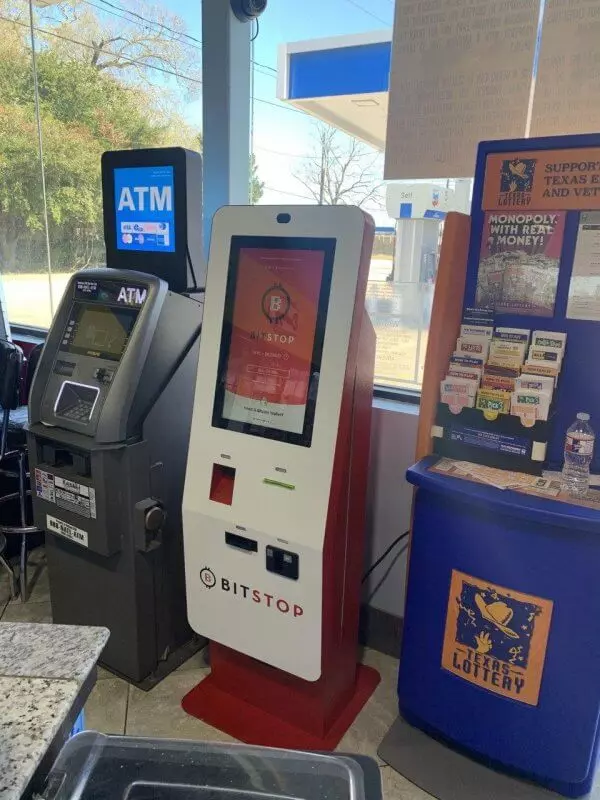
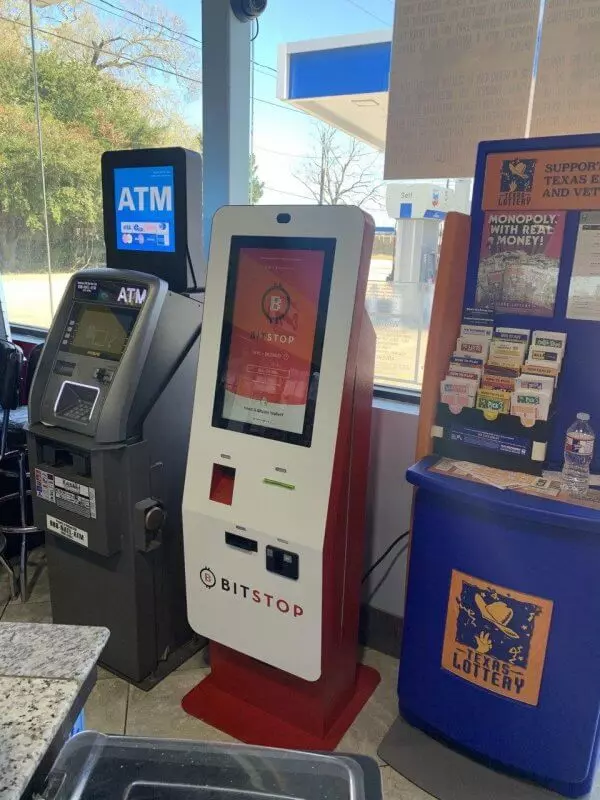
In a significant move that could reshape how Arizonans approach their digital finances, the state has rolled out a new law intended to curb cryptocurrency ATM scams. For many, the digital currency landscape has always been a confusing bit of a puzzle, filled with hidden complexities and nerve-racking challenges. With recent disclosures showing how seniors and everyday consumers have fallen prey to these scams, the new legislation is a welcome attempt to put limitations on the digital Wild West of Bitcoin ATMs.
Attorney General Kris Mayes has led this initiative, emphasizing how critical it is to protect those who might be more vulnerable to financial deception. The law introduces a series of regulation changes, from lowering daily transaction minimums to demanding clear and concise on-screen warnings. Advocates believe that these changes will help keep more of Arizonans’ hard-earned money safe from scammers who thrive on the tangled issues of cryptocurrency transactions.
Strengthening Consumer Protections in the Digital Age
As cryptocurrency continues to disrupt traditional payment methods, its methods often come with a series of tricky parts and complicated pieces. Under the new law, certain operational facets of cryptocurrency ATMs have been tightened up in response to an overwhelming wave of fraud complaints, particularly among seniors. The regulation has become a safeguard for consumers, aiming to decrease the amount of money that can be misappropriated in a single day.
One of the most discussed aspects is the imposition of lower transaction limits. For brand-new users, daily transactions are now capped at $2,000, while those who are already known to the system may process up to $10,500 in a day. This structure reflects a proactive approach to limit the potential losses that could occur from a single fraudulent incident. By reducing these figures, the law aims to interrupt the sweep of scammers before their actions can lead to devastating financial burnout.
Detailed Breakdown of the New Regulatory Changes
The following table summarizes the key changes embedded in the law:
| Regulatory Change | Description |
|---|---|
| Daily Transaction Limits | New customers: $2,000 per day; Established customers: $10,500 per day |
| Mandatory Warnings | Users must acknowledge a detailed warning before proceeding with a transaction |
| Receipt of Transactions | All transactions will include printed receipts for reference |
| Refund Policy | Refunds, including transaction fees, will be issued to new customers who report fraudulent activity within 30 days |
These measures, as laid out in the law, underscore a broader recognition that digital currencies, while innovative, come with their own set of tricky parts and intricate fine points that can easily overwhelm even the savvy consumer. If a system is going to rely on new technologies, it must also learn how to address the almost inevitable small twists that come along.
Protecting Seniors: A Crucial Element of the New Law
Statistics have revealed a disconcerting reality: a significant number of cryptocurrency ATM fraud victims are seniors. This demographic is particularly vulnerable due to a lack of familiarity with the digital currency market and its hidden complexities. Over the past year alone, Arizonans have collectively lost millions in scams, with seniors shouldering a large portion of that loss. The introduction of consumer-friendly measures, combined with enhanced refund policies, is geared to protect those who may face overwhelming challenges when navigating this digital terrain.
Attorney General Mayes mentioned, “I’m glad we can implement commonsense protections to prevent even more Arizonans from becoming victims of cryptocurrency ATM fraud. There is no excuse for leaving our older citizens exposed to scams that dine on their hard-earned savings.” Such a statement resonates deeply with many community members and advocates, highlighting the shift to a more empathetic, consumer-focused approach in legal reforms.
Understanding the Impact on Arizona’s Senior Community
Cryptocurrency scams hit seniors particularly hard because scammers exploit their unfamiliarity with modern financial instruments. Key factors affecting the senior community include:
- Lack of Digital Literacy: Many seniors are still getting used to digital technology. This can make the twists and turns of modern financial systems seem overwhelming.
- Vulnerability to High-Pressure Tactics: Scammers often employ off-putting tactics that target the most susceptible, leaving them with little time to think through the consequences.
- Absence of Traditional Banking Protections: Unlike traditional bank transactions, cryptocurrency operations do not always have the safety nets that regular banking protocols provide.
These points underscore the essence of why the new law is seen as super important. By issuing new consumer alerts and ensuring that ATM screens display stark warnings, the state hopes to equip its senior population with just the right amount of caution and information needed to steer through this digital quagmire.
Digital Finance Regulations: A Necessary Evolution
The adoption of new regulations in the realm of digital finance reflects a broader evolution in how states manage technological innovation. While cryptocurrency itself offers a plethora of opportunities, the methods of transaction and transfer are loaded with issues that traditional financial systems never encountered. Civil authorities are taking steps to inject a semblance of order into an otherwise wild system, thereby preventing scams that might otherwise flip the script on consumer confidence.
With nearly 600 cryptocurrency ATMs sprinkled across the state, the potential for fraud is both large and rapid. Last year, a dramatic 99% increase in fraud complaints was reported by the FBI, making it undeniable that existing policies were inadequate. Given these numbers, regulators have had to get into the nitty-gritty details of ATM operations, ensuring that all points—right from the display of warning signs to refund procedures—are crystal clear and consumer-friendly.
Examining the Broader Implications for Digital Currency
By taking these steps, Arizona is setting up a framework that could very well be adopted by other jurisdictions in the near future. The new law addresses several complicated pieces of the digital finance puzzle:
- Heightened Consumer Awareness: With mandatory warnings and explicit instructions on transaction screens, consumers are given a fair chance to reconsider any dubious operations.
- Transaction Transparency: Issued receipts and logging of transaction details help build a paper trail that can be referred to if disputes arise.
- Financial Recourse: The refund policy provides an essential safety net, particularly for first-time users, reducing the psychological impact of falling prey to a scam.
While these measures are a promising start, critics point out that they alone may not be enough to eradicate fraud entirely. There remains a broader need for ongoing education on digital literacy and consumer rights, especially as technology continues to evolve at a dizzying pace.
Practical Tips for Avoiding Cryptocurrency Scams
Alongside legal measures, the Attorney General’s office has also provided practical tips aimed at ordinary consumers. In a climate where scammers have mastered the art of deception with slick digital interfaces and convincing yet shaky claims, it is super important to be cautious. Here are some key suggestions that anyone dealing with digital currencies should keep in mind:
- Verify Information: If you are ever approached by an unknown entity, pause and independently confirm the legitimacy. It is essential to call the official organization directly using trusted contact details, rather than relying on the ones provided by the caller.
- Be Skeptical: Always be on your guard against unsolicited calls, especially those pushing for immediate financial moves. Remember, a government agency will never insist you transfer funds through cryptocurrency.
- Be Cautious with Cryptocurrency Demands: No authentic business or institution will ever require you to send digital currencies in advance—whether for purchasing a product or preventing hypothetical losses.
- Secure Your Personal Data: Guard your personal details such as your social security number, bank accounts, or passwords. Never hand these over during an unsolicited phone call, or click on any unverified link shared via email or text.
- Consult Trusted Contacts: Before making any substantial financial commitments, talk to someone you trust—be it family or a financial advisor. Their perspective can often shed light on overlooked inconvenient details or potential red flags.
- Report Suspicious Activity: If something doesn’t feel right, act immediately by getting in touch with local law enforcement and filing a complaint. Such actions contribute to raising broader awareness and eventually help tighten regulatory oversight.
These straightforward tips, while simple, serve as a critical compass—a way to figure a path through the maze of potential scams. With the financial landscape evolving rapidly, ensuring safety isn’t just about relying on state regulations; it’s also about empowering oneself with the right habits and knowledge.
Community Engagement and Partnerships: Building a Safer Financial Future
The success of such legislative measures relies heavily on community trust and inter-agency cooperation. One inspiring example includes the partnership between Attorney General Mayes and local law enforcement officials, such as Yavapai County Sheriff David Rhodes. Together, they have taken the unique step of placing “STOP” signs on Bitcoin ATMs. These signs are more than just a deterrent—they symbolize an active effort to guide consumers away from engaging in potentially harmful transactions.
By combining regulatory action with community-based safety nets, Arizona is fighting back against a system that is loaded with issues. This cooperative strategy not only deters would-be scammers but also builds a robust framework for continuous future engagement. The initiative is a clear signal that state agencies are committed to evolving in tandem with the technologies that shape our daily lives.
Community Outreach and Education: Empowering Consumers Through Information
The state’s multifaceted approach includes outreach programs designed to educate consumers about the small distinctions and tricky parts of digital transactions. The Attorney General’s Office has rolled out several campaigns through digital media, public service announcements, and community events. These educational initiatives are aimed at ensuring that everyone—especially seniors and digitally inexperienced individuals—can make informed financial decisions.
The following bullet points encapsulate the essence of community outreach efforts:
- Public Workshops: Free sessions on digital literacy that focus on the safe use of cryptocurrency ATMs and online banking practices.
- Informational Pamphlets: Easy-to-follow guides that detail how to recognize scam tactics, the importance of verifying information, and what to do if the scam warning signs light up.
- Local Partnerships: Collaborations with community centers and local government representatives to spread cautionary advice and financial literacy tips.
- Media Engagement: Consumer alerts and news segments that keep the public informed about the latest scam trends and preventive measures.
These education efforts are part of the state’s broader strategy to empower citizens to get around potential pitfalls in their financial decision-making. When armed with the right knowledge, consumers are less likely to be caught in a web of deception, therefore leading to a more secure financial ecosystem overall.
Challenges and Considerations in Implementing New Legal Protections
While this new law is heralded as a step in the right direction by many consumer advocates, it does not come without its own set of challenging parts and hidden complexities. Enforcing the law uniformly across nearly 600 cryptocurrency ATMs is an off-putting task. Regulatory bodies must ensure that operators adhere not just to the letter, but also to the spirit of these guidelines. In addition to ensuring compliance, there is the ongoing challenge of educating both industry insiders and the general public about these new operational protocols.
One of the confusing bits in such implementation is ensuring that all operators understand the necessity of posting clear, visible warnings and issuing prompt refunds when fraud is reported. There is a real risk that some kiosk operators may try to find loopholes in the law. This makes state monitoring an essential, albeit nerve-racking, piece of the entire digital safety apparatus.
Overcoming Implementation Barriers: A Closer Look
To ensure that this law is effective and not just well-intended legislation, several strategic measures are proposed:
- Regular Audits and Compliance Checks: Scheduled audits of ATM operators to guarantee that transaction receipts are produced and refunds are issued as required can help mitigate the risk of policy circumvention.
- Clear Communication Channels: Authorities should provide direct lines for consumers to report malpractices. This includes hotlines and online portals that are easy to access and use.
- Training for ATM Operators: Workshops and certification programs can help ensure that those managing these machines are fully aware of the new regulations and the importance of maintaining high standards of consumer protection.
- Cooperative Enforcement Efforts: Collaborative efforts between state agencies, local police, and consumer protection organizations can create a networked response system, which is critical when new technological issues arise.
Although there are many moving parts, each of these steps is designed to guide industry stakeholders as they steer through the tangled issues associated with digital currency management. Only by ensuring everyone—from lawmakers to machine operators—understands the importance of these measures, can the law succeed in reducing fraudulent activities.
The Future of Cryptocurrency Regulation in Arizona and Beyond
Arizona’s new law is an example of proactive legal evolution in a digital age that is constantly shifting its boundaries. More and more states, and even countries worldwide, are being prompted to take similar steps as digital currencies become interwoven with everyday financial transactions. Whether it is through enhanced transaction transparency, stricter refund policies, or clear consumer warnings, the law sets a benchmark that could be adapted elsewhere.
This piece of legislation is a notable response to a broader trend—one where individual states must sometimes take the initiative in the absence of comprehensive national regulation. It reflects an understanding that while technology rapidly introduces new opportunities, it simultaneously brings along twists and turns that are often intimidating and can result in real harm if unchecked.
Emerging Trends in Cryptocurrency Legal Frameworks
Looking ahead, several aspects deserve careful consideration as regulators around the globe get into the nitty-gritty of digital transactions:
- Adaptive Policy Making: Future regulations will need to remain as flexible as the technologies they aim to control. Policies must account for rapid changes and the emerging coping mechanisms devised by criminals.
- Consumer-Centric Legislation: Laws that are designed with the consumer in mind—particularly those who are most vulnerable—will continue to be a priority. Such policies go a long way in building public trust and fostering a secure financial environment.
- Interstate and International Cooperation: Cybercrime rarely respects borders. To effectively combat scams, regional and international partnerships will be key, enabling the sharing of best practices and coordinated enforcement efforts.
- Technological Integration: The future of regulation might increasingly rely on technology itself, using data analytics and real-time monitoring tools to identify and rapidly respond to signs of fraudulent activities.
By embracing adaptive policy making and integrating technology into these efforts, lawmakers can build systems that are both resilient and responsive to the challenges posed by digital currencies. The lessons learned in Arizona could serve as a foundation for more robust legal frameworks, not just in the United States, but potentially around the world.
Balancing Innovation With Protection: The Delicate Trade-off
It is undeniable that cryptocurrencies have spurred a wave of innovation in the financial sector. Digital currencies offer speed, accessibility, and a level of decentralization that traditional bank systems might never match. However, with such innovation comes the duty to protect consumers from the potential pitfalls hidden within these emerging platforms.
Financial innovation, by its very nature, is full of problems and unexpected twists. As society continues to integrate digital currencies into everyday transactions, it is absolutely essential that the regulatory frameworks build a balance between embracing innovation and shielding consumers from financial harm.
The measures introduced by Arizona stand as an example of this balance. By reducing transaction amounts and demanding enhanced accountability from ATM operators, the law creates a buffer zone that can prevent small issues from escalating into full-blown financial disasters. This is particularly important given that many consumers are still learning how to figure a path through the less intuitive aspects of digital finance.
Examining the Trade-offs of Regulatory Overreach Versus Consumer Freedom
Finding the right middle ground in legal reforms is a classic example of working through the tension between two opposing needs: encouraging innovation and protecting consumers. Consider the following points when evaluating these trade-offs:
- Consumer Empowerment: Overly strict regulations might stifle innovation but can also empower users with clearer guidelines, ensuring that they are less likely to be taken advantage of.
- Industry Viability: While increased oversight might add small twists and additional steps to every transaction, it makes the playing field fairer and ultimately supports a healthier market.
- Public Confidence: When consumers know that there are legal recourses available and that their financial safety is a priority, overall trust in digital financial services tends to rise.
The art of balancing these factors is loaded with issues that require ongoing attention and adjustment. It remains a challenge for lawmakers to consistently find that fine balance as technology evolves, yet it is a challenge that must be met for the overall benefit of the public.
Why Continuous Vigilance is Essential in a Digital Economy
Even with robust laws in place, the fight against cryptocurrency fraud is not over. As scammers devise ever more sophisticated methods, continuous vigilance remains super important. This dynamic environment means that regulations must be reviewed and updated regularly to address new threats and exploit the advantages of technological progress.
The establishment of new rules is an ongoing process. It requires that all parties remain aware of the potential for further breakdowns in the system. Continued education, monitoring, and adjustment will be key to ensuring that both current and future consumers are protected. Ministers of innovation and legal watchdogs must work in tandem to figure a path through the ever-shifting landscape of digital currencies.
Ongoing Strategies for a Safer Digital Finance Ecosystem
To maintain momentum in combating digital financial crimes, several strategies can be implemented on an ongoing basis:
- Regular Review of Regulations: By setting up periodic evaluations of the law, policymakers can catch and fix any gaps that scammers might try to exploit.
- Enhanced Surveillance Tools: Technology that monitors transaction anomalies can act as an early warning system, preventing fraudulent transactions before they escalate.
- Expanded Consumer Education Programs: Continuous outreach initiatives, including webinars, public service announcements, and community meetings, can ensure that all users remain aware of the latest scams and safety practices.
- Feedback Mechanisms: Creating channels for consumers to report their experiences and suggest improvements can help shape future iterations of the law, making them even more robust.
These strategies not only fortify the current framework but also serve as a proactive model for other states and regions grappling with similar issues. When policymakers can count on a dynamic approach that evolves with emerging threats, the entire digital ecosystem becomes a safer and more reliable space for conducting financial transactions.
Conclusion: A Step Towards a Secure Digital Future
Arizona’s new law marks a significant milestone in the journey towards balancing technological innovation with consumer protection. By addressing key problematic areas—from reducing transaction limits for new users to enforcing visible warnings and ensuring prompt refunds—the state is setting a precedent on how to work through the tangled issues of digital finance.
Attorney General Mayes’ proactive measures, alongside strong community engagement and educational initiatives, reveal a blueprint that other jurisdictions might well consider adopting. While no law can entirely eliminate the risk of scams, these steps are a critical starting point, aimed at reducing the financial damage caused by unscrupulous actors in an ever-changing digital world.
In these times of rapid technological change, staying informed and alert is absolutely essential. Whether you are a seasoned cryptocurrency investor, a newcomer navigating the basic details, or someone protecting a loved one from financial harm, the responsibility falls on all of us to practice vigilance. By being proactive—questioning unsolicited requests, verifying information independently, and reporting suspicious activities—we can all contribute towards a much safer digital financial environment.
The lessons learned here are loaded with issues that remind us of the fine points of consumer rights and the need for ongoing regulatory support. As we face more complicated pieces of financial innovation, we must ensure that every twist and turn in the digital marketplace comes with clear safeguards, cooperative oversight, and most importantly, a commitment to protecting every consumer.
Ultimately, the journey towards a secure digital future is one that requires cooperation between lawmakers, technology providers, and the community at large. With continued commitment and adaptive strategies, the digital world can become a richly rewarding side of modern finance—one where innovation and protection peacefully coexist for the benefit of all.
Originally Post From https://www.azag.gov/press-release/attorney-general-mayes-announces-new-protections-against-bitcoin-atm-scams-going
Read more about this topic at
Crypto scams: how to avoid becoming a victim – DFPI – CA.gov
What To Know About Cryptocurrency and Scams