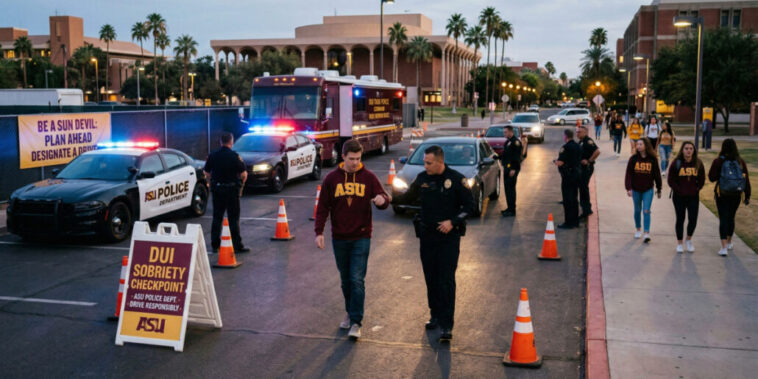
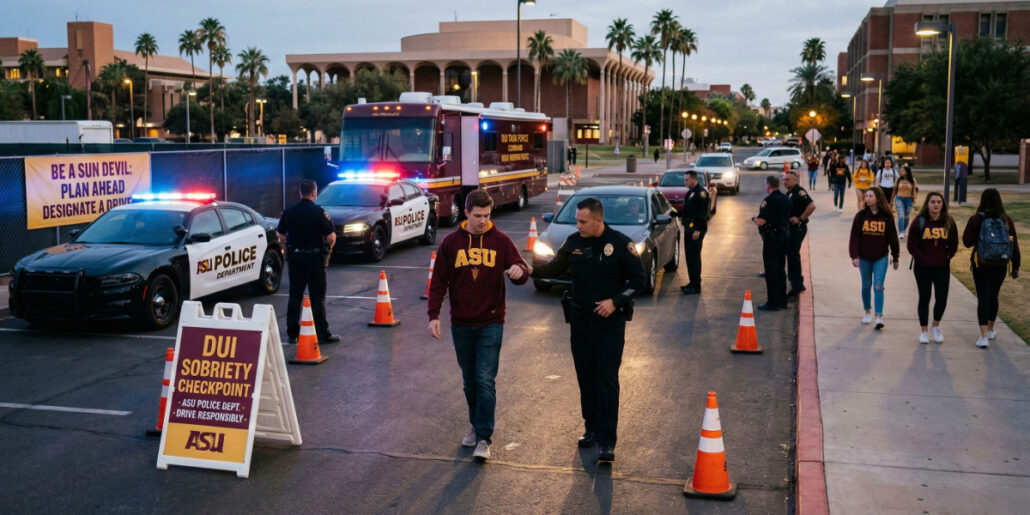
Opinion: DUI Testing on University Campuses in Arizona – A Closer Look at the Process
The issue of driving under the influence near college campuses in Arizona is one that affects not only students but the broader community. In areas such as Mesa and Tempe, where the rhythm of campus life meets the steady hum of city traffic, DUI enforcement is a topic that generates heated debate and careful consideration from legal experts and community members alike. Many who have experienced a DUI investigation know that the process is full of tricky parts, from the initial traffic stop to the swearing-in of the officer’s field sobriety test results, which may be riddled with tension and uncertain small distinctions. In this opinion piece, we take a closer look at these processes, discussing the turbulent procedures and the ways in which the system can be challenged by a savvy attorney.
It is evident that the environment around university campuses creates unique challenges for law enforcement and drivers alike. Late nights, special events, and the buzz of college activity all contribute to making the situation both overwhelming and, at times, nerve-racking for those who find themselves under suspicion. With so many interconnected steps – from field tests to portable tests, chemical testing, and the implied consent laws that underlie them – it is essential to get a closer look at the process and to figure a path through each step.
Understanding the Tricky Parts of DUI Testing on Campus
Arizona’s DUI enforcement near university campuses is notorious for its strict application of the law. Officers are trained to spot even the slightest evidence of impairment, and the routine traffic stop can quickly escalate into a full DUI investigation. This area of law, especially when it happens on or near a campus, is loaded with issues, not only for the individual being stopped but also for the public perception of fairness and justice.
While campus life is known for its energy and vibrancy, the reality is that policing in these areas is intensely focused. College campuses in Tempe and Mesa, for example, see a high volume of traffic, not to mention gatherings where alcohol consumption is common. Unfortunately, this means that what may begin as a minor traffic stop can become a rigorous investigation. With police officers relying on observable performance during field sobriety tests and preliminary breath tests, it is clear why many see this enforcement strategy as riddled with small twists that can make or break a case.
The slippery road of DUI investigations is not just about measuring blood alcohol content. It is also about the officer’s judgment during the field sobriety tests – tests that include the horizontal gaze nystagmus, the walk and turn, and the one-leg stand. Each test brings its own set of confusing bits that require a fine balance between a subjective approach by law enforcement and the objective results expected later in the court proceedings.
Examining the Tangled Issues in Field Sobriety Tests
Field sobriety tests are the first line of assessment during a DUI stop. These tests are designed to observe balance, coordination, and even subtle eye movements that may indicate impairment. The process is aimed at gathering evidence of intoxication even if the driver has not yet been subjected to a chemical test.
However, field sobriety tests have many complicated pieces that create room for error. Officers scoring these tests must contend with factors such as uneven pavement, inclement weather, anxiety, and even medical conditions that may affect performance. For example, an anxious student on a campus sidewalk may perform poorly not because of intoxication but due to nervous energy in a busy setting.
When we poke around at the administration of these tests, several factors become apparent:
- Subjective assessment by officers, which can vary based on individual judgment.
- Environmental factors that interfere with test accuracy, such as poor lighting or uneven surfaces.
- The potential for procedural missteps, such as improper instructions or scoring errors.
It is these twists and turns that make the system seem full of problems and create a nerve-racking experience for drivers, particularly first-time offenders who might be unaware of the fine points of these procedures.
Ultimately, many legal experts assert that if the officer did not meticulously follow proper testing procedures, it is possible for defense attorneys to challenge the results. Errors during a field sobriety test could provide a basis for questioning the strength of the evidence, potentially leading to a dismissal or reduction of charges.
Exploring the Confusing Bits of Portable Breath Tests
Beyond the field sobriety tests, another critical aspect of DUI investigations is the use of portable breath tests. These handheld devices provide an immediate estimate of a driver’s blood alcohol content, and in many cases, they are the first chemical measure of impairment recorded by law enforcement. However, the technology behind portable breath tests is not without its tangled issues.
The process typically unfolds as follows during a DUI stop on or near a college campus:
- The officer administers a portable breath test on the roadside.
- The device estimates blood alcohol content, often serving as the basis for probable cause.
- The roadside test is used solely as an investigative tool rather than as definitive evidence in court.
Officers rely on these devices to quickly determine whether further testing is warranted. Yet, there are several factors that can contribute to the uncertainty of the results:
- Calibration and Maintenance: Breath test devices must be properly calibrated and maintained. If not, inaccurate readings can occur.
- Environmental Influences: Weather, temperature, and the presence of residual mouth alcohol can skew the results.
- Operational Errors: Incorrect handling of the device or rushing through the procedure can result in miscalculations.
Because of these factors, many legal experts suggest that a portable breath test result should be viewed as an initial, non-definitive indicator of intoxication. It is a tool that officers use to decide whether to proceed with a more comprehensive chemical testing process. Once an arrest is made, the implications of the roadside device’s reading then have to be balanced with further evidence gathered during the chemical testing stage.
Assessing Chemical Testing and Implied Consent Law in DUI Cases
After a driver is arrested on suspicion of DUI, Arizona law mandates that they undergo a chemical test – whether it’s a breath, blood, or even urine test in certain scenarios. The Arizona implied consent law is super important in this context because it binds drivers to submit to testing once they decide to operate a vehicle. This process, however, is loaded with its own set of challenging bits.
The sequence of events in a typical DUI investigation is as follows:
- Initial stop and subsequent field tests or portable breath test.
- Arrest followed by the application of the implied consent law.
- Administering an official chemical test at a designated facility.
The official testing process is designed to provide a more accurate measure of a driver’s blood alcohol content or drug concentration. Compared to the portable device employed initially, these tests are much more sophisticated and are carried out under controlled conditions.
However, the requirement to submit to a chemical test under the implied consent law also brings the risk of immediate penalties. If a driver refuses to take the test, they face an immediate license suspension – typically for 12 months for a first offense. This rule is one of the most nerve-racking aspects of DUI law, since a misunderstanding or miscommunication during the stop can have serious repercussions for one’s driving privileges and overall record.
In many cases, defense attorneys argue that the conditions under which the chemical tests were administered were less than ideal. Any evidence of mishandling, contamination, or poor chain-of-custody practices can become key factors in mounting a robust legal defense.
Breaking Down the Intimidating Penalties and License Suspension Risks
In Arizona, the penalties for DUI offenses are stringent, nested in a framework designed to deter impaired driving. For most individuals arrested on campus or elsewhere, understanding the probation of penalties is as nerve-racking as the arrest itself. The following table summarizes common DUI penalties:
| Offense (ARS) | Jail Time | Fines | License Suspension |
|---|---|---|---|
| Standard DUI (ARS 28-1381) | At least 10 days | Approximately $1,000+ including assessments | Up to 90 days |
| Extreme DUI (ARS 28-1382) | Minimum 30 days | Higher fines and additional court costs | 90 days or more |
| Aggravated DUI (ARS 28-1383) | Felony level prison term | Significant fines | License revocation |
These penalties are not only intimidating in their potential to disrupt lives but also filled with tiny details that can become points of contention during legal proceedings. For instance, a simple act of underestimating the exact moment a driver’s alcohol level exceeded the legal limit can be the difference between a misdemeanor and a felony charge.
Drivers, especially students around Arizona’s bustling college towns, face challenges that extend well beyond a simple legal punishment. A DUI conviction can have long-lasting effects – from university disciplinary actions and loss of scholarships to a permanent blemish on one’s record that can hinder future employment opportunities. Hence, the implications of a DUI go past just facing jail time; they touch every aspect of a person’s future.
Working Through Effective Defense Strategies in Campus DUI Cases
When facing a DUI charge near university campuses, it becomes essential to work through defense strategies that address the tangled issues inherent in the investigation process. Many defense attorneys stress the importance of acting quickly – the sooner one secures legal representation, the better their chances of mitigating the consequences.
Effective defense strategies in a campus DUI case often include:
- Challenging the Initial Traffic Stop: If the officer lacked probable cause to initially stop the vehicle, the entire case could be undermined.
- Questioning Field Sobriety Test Procedures: Pointing out errors in instructions or testing conditions can weaken the prosecution’s evidence.
- Disputing Breathalyzer Accuracy: Highlighting calibration issues or operational errors can cast doubt on the portable test results.
- Scrutinizing Chemical Test Administration: Any mishandling of samples or chain-of-custody failures can lead to evidence being thrown out.
- Assertive Constitutional Rights Defense: If an officer violated your rights during the traffic stop or arrest, a motion to exclude evidence might be successful.
In many real-life accounts, these tactics have been proven to reduce charges or even lead to the dismissal of the case. For example, there have been instances where improper instructions during the field sobriety tests, combined with poorly maintained breathalyzer devices, allowed defense attorneys to argue that their clients should not be held to a conviction.
It is important to emphasize that while no two cases are exactly alike, experienced DUI lawyers in Arizona know how to pick apart each element of the officer’s process. By doing so, they can shore up any procedural mistakes, making the defense more robust. In turn, this not only helps in lowering penalties but, in some cases, might lead to charges being dropped altogether.
Student Perspective: How a DUI Charge Can Affect Campus Life
For many college students, the repercussions of a DUI extend far beyond legal sanctions. The experience of being pulled over, subjected to field sobriety tests, or face a breath test can feel overwhelming and off-putting, especially when it comes to the added pressure of maintaining academic performance and social standing.
Numerous students have shared that the entire encounter – from the initial police stop to potential consequences like license suspension – can create a sense of tension that is hard to shake. Consider these points from a student’s perspective:
- Academic Impact: A DUI charge can lead to disciplinary actions on campus, which might result in academic probation or even expulsion from certain programs.
- Financial Strain: The cost of fines, legal fees, increased insurance premiums, and mandatory alcohol education programs can place a serious burden on students.
- Future Career Prospects: A record that includes a DUI conviction could hinder future employment opportunities, as employers often conduct background checks that might reveal such a conviction.
- Social Stigma: The experience can lead to a damaged reputation among peers, affecting personal relationships and the overall college experience.
These small distinctions add up, painting a picture of an experience that is not just a legal challenge but a life-altering event. For many, the idea of facing a DUI charge while still in the formative years of college can be both intimidating and scary. The personal and professional implications of such charges make it critical for affected individuals to act fast and secure knowledgeable legal counsel.
Beyond the immediate legal procedures, institutions and legal experts continue to debate the best methods to balance campus safety with fair enforcement of DUI laws. Some argue that the current testing and arrest protocols are overzealous in areas with heavy student populations, causing more harm than good by instilling an atmosphere that feels punitive rather than educational or rehabilitative.
Finding Your Path Through the Maze of DUI Laws in Arizona
When faced with a DUI charge, especially in the charged environment near a university campus, it is crucial to remember that the legal system, despite its many tangled issues, does offer routes to challenge and overturn questionable evidence or procedures. The road through a DUI investigation is full of twists and turns, but with the proper guidance, an individual can find their way to mitigate the repercussions.
Legal experts suggest that the following steps are essential for anyone facing such a charge:
- Immediate Consultation: Engage with a DUI lawyer as soon as possible to evaluate the details of the case.
- Understanding the Testing Process: Have a clear explanation of how the field sobriety and chemical tests were administered.
- Reviewing Evidence: Ensure that all procedural steps – from the initial stop to the calibration logs of breath testing devices – are properly documented.
- Assessing Defense Options: Discuss various defenses, including constitutional challenges and questioning the reliability of testing methods.
- Acting Quickly on License Suspension Hearings: If faced with a license suspension, prompt action is critical to protect your driving privileges.
While facing a DUI charge is unquestionably a nerve-racking experience, the importance of knowledgeable legal representation cannot be understated. Numerous defense attorneys have built their careers on teaching their clients how to work through the tricky parts of the DUI process – ensuring that every hidden complexity is addressed and every fine detail is scrutinized.
Real-World Examples and Considerations
Several cases demonstrate how a robust legal challenge can lead to a better outcome for someone facing DUI charges. Consider the case of a student in Tempe who was arrested after a campus event. The officer’s reliance on field sobriety tests was later called into question when video evidence revealed poor lighting and confusing instructions. In another example, a Mesa driver charged with extreme DUI saw his case mitigated when calibration logs revealed that the breathalyzer device had not been properly maintained.
These examples underscore the importance of understanding the small distinctions and twists in the process. They reveal that even in cases that seem overwhelming at first glance, there is room for legal maneuvering. Defense attorneys who dig into the fine points of each case often uncover procedural missteps that can make a significant difference in the final outcome.
It is never too late for drivers or students to seek a professional opinion on their case. With every new bill introduced and every legal decision rendered, the environment of DUI enforcement continues to evolve. The interplay of state statutes such as ARS 28-1381, ARS 28-1382, and ARS 28-1383 ensures that the law remains both dynamic and, at times, complicated—though there is always a way to find your path through the maze.
Conclusion: Taking the Wheel in an Overwhelming Legal Landscape
DUI cases near campus areas in Arizona highlight a broader debate on law enforcement practices and personal rights. On one hand, there is the necessity to reduce incidents of impaired driving and safeguard community safety. On the other hand, there is the undeniable need for proper procedure and fair treatment for individuals during a supposedly routine traffic stop.
This opinion editorial is a reminder that while the road through a DUI investigation is strewn with intimidating hurdles and tangled issues, hope remains in the form of skilled legal counsel. With experienced attorneys who understand the subtle parts of DUI testing—from the subjective field sobriety tests to the potentially erratic readings of portable breath devices—defendants can mount a defense that addresses every intricate detail.
The debate over DUI testing procedures, particularly in bustling college towns like Mesa and Tempe, is far from over. As communities grapple with balancing campus safety and protecting individual rights, it is crucial for drivers to be informed and proactive. Whether it is through challenging improperly administered tests, reviewing calibration records, or contesting the conditions under which an arrest was made, there are working strategies aimed at steering through each difficult scenario.
Legal battles are inherently complex, but by understanding the step-by-step process and the potential pitfalls at each turn, individuals can educate themselves about their rights. What may seem like a nerve-racking and overwhelming ordeal is, in many cases, a labyrinth of procedural details waiting to be pieced together by a dedicated legal professional.
In conclusion, as DUI enforcement continues to be a super important issue around Arizona’s university campuses, it is imperative for both the public and legal practitioners to engage in open dialogue about the methods used for impairment testing. With all the tiny details at play—from the initial roadside stop to the final result of a chemical test—each piece of evidence must be scrutinized to ensure that justice is not only done but seen to be done.
In these trying times, where every traffic stop could potentially alter the course of a young person’s future, finding the right defense attorney to help navigate the trickier parts of DUI law is not just advisable—it is critical. As the conversation unfolds, it is our collective responsibility to ensure that every person facing a DUI charge has access to fair legal proceedings, ultimately steering through the maze of legal procedures with the guidance of experienced advocates who know how to untangle even the most complicated pieces of evidence.
Read more about this topic at https://arjashahlaw.com/criminal-defense/dui-field-sobriety-tests-and-portable-breath-tests-on-arizona-university-campus/
Related articles you might like
DUI/DWI Charges on North Carolina College Campuses
Campus Police | Durham, NC Criminal Defense Lawyers …