U.S. Military Strikes in International Waters: An Opinion Editorial
The U.S. military’s recent operation in the Caribbean has sparked a heated debate over issues of national security, international law, and executive power. The strike, conducted at night on a suspected drug-running boat, has raised eyebrows among policymakers, legal experts, and the general public alike. In this editorial, we take a closer look at the background and implications of this event, weighing the tactical merits against the potential legal pitfalls that arise from operating in international waters.
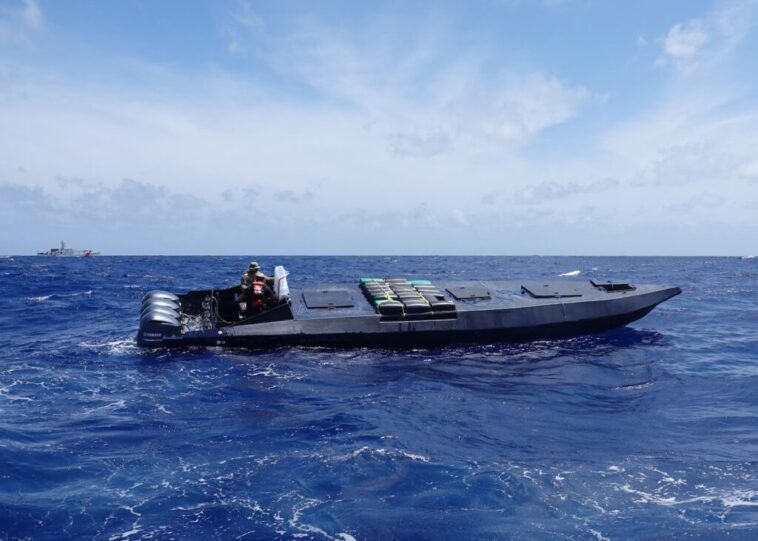
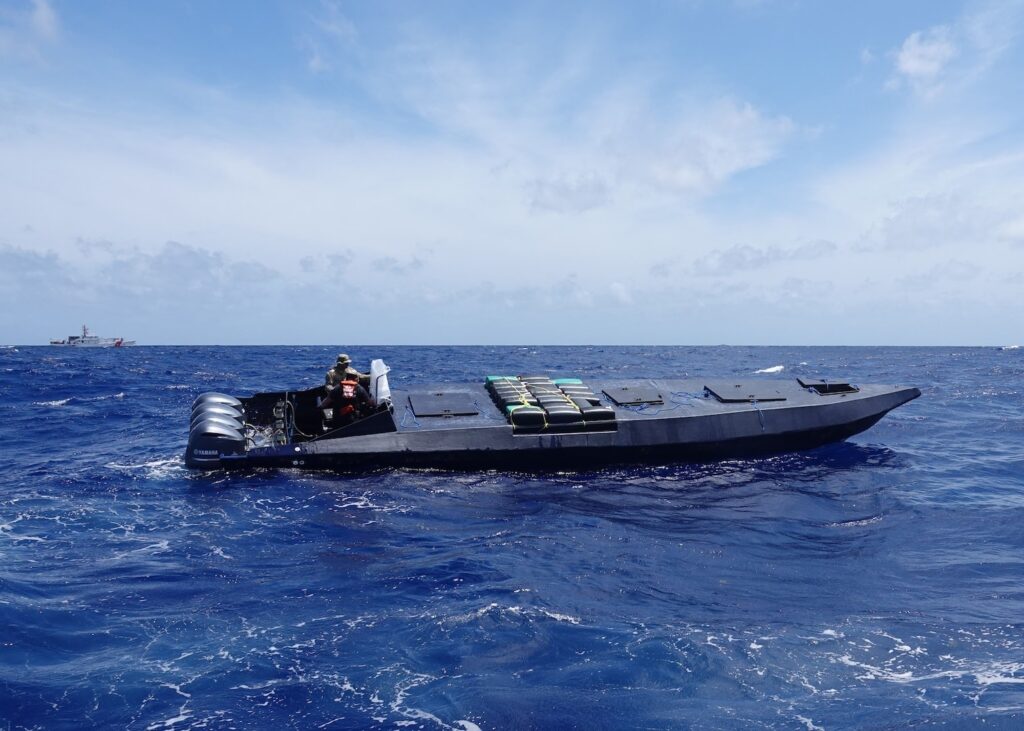
Defense Secretary Pete Hegseth’s announcement of the tenth strike against a vehicle allegedly operated by the Tren de Aragua gang—and responsible for the deaths of six individuals—has set off a cascade of reactions. According to Hegseth, the operation was not only a first for being carried out under cover of darkness, but it also marked an expansion of activity beyond previously established geographic boundaries. Critics counter that this expansion may lead to increased tension in international relations, while supporters argue that it is an essential component of the broader strategy to stymie drug trafficking in the hemisphere.
Assessing the Tactical Approach: Nighttime Operations and Their Challenges
Conducting military strikes at night introduces several tricky parts that require both precision and rapid decision-making. On one hand, nighttime operations provide an element of surprise. On the other, the potential for misidentification and accidental escalation increases across the board. In the wake of this particular strike, the U.S. government emphasized that the operation took place in international waters, a claim that serves dual purposes: it distances the nation from territorial disputes while simultaneously projecting an image of streamlined and aggressive national security policy.
When you get into nighttime military tactics, several factors immediately come to mind:
- Visibility and Intelligence: Operating in low-light conditions requires reliance on advanced tracking and surveillance technology. However, the confusing bits about the accuracy of night vision systems in challenging maritime environments cannot be dismissed.
- Rules of Engagement: The subtle parts of rules that govern the use of force in international territories are full of problems that further complicate such operations.
- After-Action Verification: A 20-second video clip circulated on social media shows a projectile striking the vessel. Yet, the video ended before the full impact could be observed or the aftermath studied, leaving many questions unanswered about collateral damage or further repercussions.
Decision-makers must weigh these factors carefully. The combination of advanced military technology and the unpredictable nature of maritime interdictions creates a scenario in which the line between strategic necessity and excessive force might appear blurry at best.
International Law and the Expansion of U.S. Military Operations
An essential aspect of the debate centers on the legal legitimacy of these actions. International law is particularly sensitive to military operations in international waters, where jurisdiction often becomes a tangled issue. Critics have pointed out that expanding the geographic arena for military strikes into regions like the eastern Pacific Ocean opens the door to a host of legal challenges, particularly when these regions are less clearly delineated in terms of national boundaries.
The implications of this operational expansion include several tangled issues:
- Definition of Terrorism and Combatants: The U.S. administration’s decision to classify drug cartels and associated operatives as unlawful combatants is central to the legal debate. This classification raises questions about whether international law supports such a redefinition of enemy combatants.
- Consent and Oversight: The fact that some lawmakers have insisted these strikes may violate international law underscores one of the complicated pieces: the need for a balance between swift executive action and the oversight responsibilities laid out by domestic law.
- Response from Rival Nations: The Venezuelan government has been vocal about disputing the U.S. interpretation of legal grounds for their actions in the Caribbean. Their response highlights yet another set of challenges involved in operating on the international stage.
The balance between national security concerns and adherence to international legal norms is nerve-racking. When you dive in, you quickly notice that the fine points of international law and the hidden complexities surrounding the rules of force in international waters remain unsettled, inviting more debate and potential diplomatic friction.
Comparing Modern Tactics to the Post-9/11 War on Terror
One can’t help but notice comparisons being drawn between these drug interdiction operations and the war on terrorism that followed the Sept. 11, 2001, attacks. The parallels are often described by proponents and critics alike, noting the shift in language from “terrorism” to “drug trafficking.” As Defense Secretary Hegseth mentioned, the U.S. will treat narco-terrorists much like it does groups like Al-Qaeda, signally a potential blurring of long-established military strategies and legal frameworks.
However, this comparison is not without significant issues. Consider the following bullet points:
- Differences in Threat Levels: While terrorism primarily impacts national security through violent attacks, drug trafficking is a multidimensional problem that affects public health, crime, and economic stability.
- Judicial Precedents: The legal frameworks established in the wake of 9/11 strictly regulated military engagements abroad and have faced numerous reviews by the Judiciary. Applying these same frameworks to drug traffickers introduces subtle details that are not completely congruent with past practices.
- Political Ramifications: The political debate fueled by these tilted comparisons has been tense, as lawmakers from both sides of the aisle argue about the most appropriate legal framework to adopt while managing public fear and misinformation.
Given these slight differences, it is critical to poke around the small distinctions between the tactics and legal bases of actions taken post-9/11 and those currently employed against drug trafficking networks. The tendency to equate the two could lead to scenarios where the executive branch undertakes significantly heavy-handed operations without sufficient deliberation or transparency.
Legislative Oversight and the Role of Congress
Perhaps one of the more heated aspects of the debate revolves around whether the executive has overstepped its constitutional authority. Concerns have been raised by lawmakers, including Senator Richard Blumenthal, who warned that such strikes could represent a reckless use of military power without clear authorization from Congress. This criticism is layered with implications for the broader balance of power within the U.S. government.
Key points related to congressional oversight involve several important nuances:
| Issue | Description |
|---|---|
| Authorization of Use of Force | Lawmakers argue that the president should seek congressional approval before executing military operations, even in international waters. |
| Constitutional Balance | The tension between the president’s duty to defend the nation and the legislative branch’s role in checking executive power is a delicate subject that continues to divide opinion. |
| Operational Secrecy | Lack of detailed public information about these strikes increases skepticism, as little details regarding operational plans and legal justifications remain unseen by the public. |
These points reflect the off-putting reality that in times of escalating military actions, transparency tends to be sacrificed. As the executive branch champions decisive action against perceived enemies, Congress faces the confusing bits of balancing national security needs with maintaining its oversight responsibilities.
Political Questions and Executive Intentions
Beyond the legal and operational challenges, the political environment plays a crucial role in shaping perceptions of these military actions. The U.S. military’s aggressive stance against drug trafficking links back to statements made by President Donald Trump, who declared an armed conflict with drug cartels and embedded a promise to “kill them” if necessary. This rhetoric is highly polarizing and has further intensified the debate over how best to confront threats to the nation.
The expansion of these strikes has raised a host of political questions and led to a broad spectrum of opinions among stakeholders. Consider the following bullet list:
- Delegation of War Powers: There is significant opposition to the idea that the president can, without consulting Congress, declare an armed conflict with non-state actors such as drug cartels.
- Rhetorical Overreach: Trump’s colorful language, while intended to project strength, has often crossed the fine shades of acceptable political discourse. His comments have amplified the tension among lawmakers and legal experts alike.
- Implications for Foreign Policy: The aggressive military posture in the Caribbean and the eastern Pacific Ocean sends a clear signal. It reinforces the United States’ willingness to use force to deter illegal activities, yet it may inadvertently escalate tensions with nations like Venezuela, which have their own interpretations of the legal landscape.
While some view these actions as necessary steps to protect U.S. interests, others are worried about the long-term consequences of adopting a policy that seems as if it were straight out of a warfare playbook designed for combating terrorism or organized crime. In this political climate, subtle details about operational decision-making are sometimes lost amid broader strategic ambitions.
Legal Implications for International Relations and Sovereignty
One of the most critical aspects of this issue lies in its potential effects on international relations. Conducting military operations in international waters is inherently tricky. It can unsettle allied nations and provoke strong responses from adversaries who see such moves as overreaches into sovereign matters. Venezuelan officials have voiced clear disapproval, contending that the U.S. actions serve not the purpose of combating drug trafficking but rather as a pretext to force regime change.
There are several key legal implications that deserve a closer look:
- Sovereignty Concerns: When the U.S. militarily intervenes in areas near the borders of another nation, it risks infringing upon that nation’s right to self-governance. The tension arising from these operations is full of problems that further complicate diplomatic ties in the region.
- International Norms: The rules that govern the use of force in international waters are tangled issues that require both clear statutory guidance and multilateral agreements. By operating in these spaces without full transparency or adequate communication, the U.S. government may inadvertently undermine established international norms.
- Deterrence vs. Provocation: While the intent is to deter drug trafficking, the aggressive use of force could be seen as provocative by other nations, thereby increasing the potential for unintended conflicts in an already charged environment.
Each of these points underscores the idea that if the U.S. continues to engage in these sorts of operations, it must be ready to confront counter-accusations that suggest these strikes serve ulterior political aims rather than genuine security concerns. Establishing clarity and accountability in these operations is super important, yet the current ambiguity leaves much room for misinterpretation.
Domestic Debate: The Balance Between Security and Accountability
Within the United States, domestic debates continue to rage regarding the appropriate balance between ensuring national security and maintaining a system of checks and balances on executive power. The current operations have precipitated a renewed look at executive decision-making in relation to military interventions abroad. While some citizens welcome decisive action against narcoterrorism, others are wary of potential abuses of power.
These debates touch on several fine points that merit further examination:
- Public Transparency: Without clear, detailed explanations from the executive branch, the public is left to guess at the true motivations behind these strikes.
- Congressional Oversight: The Republican-controlled Senate recently voted down a war powers resolution proposed by Democrats, which would have mandated additional congressional input before further military actions are taken.
- Legal Precedents: Past wars and military engagements have shown that a lack of proper oversight often leads to long-term consequences for U.S. foreign policy and can even set dangerous legal precedents.
As American citizens and policymakers alike try to get around the maze of conflicting priorities, the need for a balanced review of national security protocols becomes evident. Rather than embracing a simplistic narrative of “good guys vs. bad guys,” it is essential to consider the broader consequences of using military force in a manner that skirts across traditional legal boundaries.
The Broader Context: U.S. Policy and the Future of Counter-Narcotics Operations
Stepping back to take a wider view, it becomes apparent that the recent strike is part of a larger, evolving policy to disrupt drug trafficking routes that have long plagued the Western Hemisphere. The operations are nested within a series of actions—including the deployment of supersonic heavy bombers near Venezuela—that suggest the U.S. is recalibrating its approach in the region.
This broader strategy can be broken down into several key components:
- Intensified Military Buildup: The increased frequency of strikes—rising from one every few weeks to three in a single week—signals that the U.S. intends to demonstrate a robust deterrence framework against narcoterrorism.
- Expanding Operational Geography: By venturing into the eastern Pacific Ocean, U.S. forces are stepping into territories that have traditionally been used as smuggling corridors. This move challenges established norms regarding territorial jurisdiction and further complicates legal interpretations.
- Application of New Military Doctrine: The rhetoric used by national leaders suggests that the U.S. is redefining the battlefield. Declaring drug cartels as unlawful combatants indicates a significant departure from traditional law enforcement tactics, opting instead for a militarized approach to a problem that has long been considered the realm of domestic agencies.
These points are super important to consider, as they collectively hint at a policy transformation that may have both short-term tactical benefits and long-term strategic drawbacks. While the immediate goal seems clear—disrupting drug trafficking—the larger implication is that the boundaries of military engagement might be shifting in ways that could affect future international relations and domestic legal frameworks.
Debating the Rhetoric: “Kill Them” and the Power of Words
One striking element of the discussion surrounding the strike is the rhetoric used by key political figures. President Trump’s blunt assertions—that drug smugglers will be “killed” and compared to terrorists—have the effect of galvanizing a particular segment of the electorate. However, these statements are loaded with issues that demand a closer look.
Here are some bullet points reflecting the key concerns:
- Simplistic Messaging: Using hyperbolic language tends to oversimplify a very complicated challenge, where the fine shades of nuance matter a great deal. The notion that a military solution can readily address the tangled issues of drug trafficking is not universally accepted.
- Policy Implications: Once such language enters the public discourse, it becomes difficult to scale back. The idea of using military might to solve what are essentially socioeconomic and law enforcement problems might inadvertently limit future policy options.
- International Perception: The strong language has broader implications beyond U.S. borders. It risks painting the country as overly aggressive, potentially undermining diplomatic efforts to work with other nations on shared security challenges.
The power of words in a political and legal context cannot be underestimated. When leaders use such charged language, it often pushes the debate into extreme positions—either rallying supporters with promises of decisive action or provoking critics who foresee dangerous consequences. The nerve-racking twist here is that while the rhetoric may be intended to intimidate criminal elements, it might also escalate tensions internationally and domestically by reinforcing a confrontational posture.
Evaluating the Impact on U.S. Foreign Policy and Regional Stability
The series of military strikes in the Caribbean and eastern Pacific Ocean present a complex picture when examined from the standpoint of U.S. foreign policy. With each operation, an already charged regional environment becomes more tense, contributing to a cycle of action and reaction that is often hard to break. Countries like Venezuela have accused the U.S. of using drug trafficking as a pretext for regime change—a claim that adds another layer to an already nerve-racking geopolitical puzzle.
Several key areas of impact include:
- Diplomatic Relations: Escalating military operations near disputed or sensitive territories can make it very tricky for diplomats to work out peaceful resolutions. The little twists and turns of diplomatic negotiations are often undermined by unilateral actions that bypass traditional channels of dialogue.
- Regional Security Alliances: Neighboring nations are forced to re-evaluate their security strategies in response to U.S. actions. Some may feel compelled to bolster their own militaries, which in turn can create an arms race in regions already loaded with tension.
- Long-Term Strategic Objectives: While short-term military successes may be lauded, the long-term strategic goals of fostering stability and reducing the influence of criminal networks might be compromised if neighboring countries perceive U.S. actions as overly aggressive or self-serving.
In this context, working through these issues requires a multi-pronged strategy that takes into account both immediate tactical needs and the long-term implications for international peace and stability. If not carefully managed, the U.S. risk reinforcing a cycle of intervention that further destabilizes the region, potentially inviting unintended consequences that stretch well beyond the realm of drug interdiction.
Examining the Legal Precedents and Constitutional Concerns
The constitutional debate over the use of military force without prior congressional authorization is both a legal conundrum and a political flashpoint. Critics have taken issue with the executive branch’s unilateral decision-making, arguing that such actions bypass the essential system of checks and balances enshrined in the U.S. Constitution. This argument finds its roots in the very fabric of American governance, where separating powers is meant to prevent any single branch from wielding unchecked authority.
Some of the points that require careful consideration include:
- Historical Precedents: Past military engagements, especially in the post-9/11 era, have seen claims of executive overreach. These incidents provide a tapestry of legal arguments and judicial interpretations. They offer key insights into how similar operations might be evaluated under constitutional law.
- Check and Balance Mechanism: The legislative branch’s role in declaring war and authorizing the use of force is a cornerstone of American democracy. Eroding this balance could set a dangerous precedent, granting the executive branch the latitude to engage in operations that may not have full public or congressional support.
- Legal Justification for Unilateral Action: The argument that international waters provide a legal loophole for such strikes is contentious. While international law offers some leeway for military operations outside sovereign territories, it is full of problems when it comes to ensuring that such actions do not violate broader principles of state sovereignty and human rights.
As legal scholars continue to debate these points, it becomes evident that the current policy raises several nerve-racking questions about the proper role of military power in a democratic society. The lack of clear, universally accepted explanations serves only to fan the flames of dissent, making it ever more critical for policymakers to figure a path that harmonizes national security with our constitutional values.
Weighing National Security Against International Accountability
While the urgency to secure the nation against the menacing influence of drug cartels is understandable, it is equally important to remember that military actions on the international stage demand careful scrutiny. Striking a balance between protecting national interests and respecting international accountability is a challenge laden with tangled issues.
There are several aspects where this balance might be threatened:
- Excessive Use of Force: There is a thin line between decisive action and the overuse of military might. When operations escalate quickly without comprehensive oversight, the risk of unintended casualties increases, as does the likelihood of collateral damage in sensitive areas.
- Diplomatic Fallout: Aggressive military posturing can offend other nations, even those that might be allies under different circumstances. Such fallout can hinder international cooperation on other critical issues like trade, security, and humanitarian efforts.
- Long-Term Strategic Consequences: Continued unilateral actions, especially those executed in murky legal waters, may not only provoke retaliatory measures but also lead to a broader erosion of the established international legal order.
These points underscore a broader lesson: that national security is an essential, must-have objective, but it must be pursued in a manner that does not undermine the very international frameworks that help maintain global stability. In this context, every military strike is not an isolated event but part of a continuous dialogue between domestic imperatives and global norms, a conversation that is both complicated and full of problems.
Perspectives from Legal Experts and International Observers
Legal and international policy experts have weighed in on the evolving situation, with opinions split between strong endorsement of decisive action and stern warnings against potential overreach. This divergence in viewpoints is understandable, given the nerve-racking length of the legal debate and the fact that each perspective draws on different sets of priorities and historical context.
A few observations made by experts include:
- Proponents’ View: Advocates for the military operation assert that the swift interdiction of drug traffickers is essential to curtailing the violence and criminality associated with organized narcotics distribution. They argue that traditional law enforcement methods have proven insufficient against well-funded criminal networks that operate across borders.
- Critics’ Position: On the other hand, critics argue that the executive branch’s actions are loaded with issues. They stress that without explicit congressional authorization, such operations may be seen as an overreach of executive power and potentially a breach of both U.S. constitutional norms and international law.
- International Voices: Observers from countries in the Caribbean and Latin America caution that the expansion of U.S. military presence in these waters may be interpreted as a provocation. They urge a more diplomatic approach, one that balances hard power with elements of cooperation and mutual respect.
This diversity of opinions reflects the broader reality of our interconnected world. The policy decisions taken today, especially those that involve military force in sensitive regions, will have ripple effects that touch upon every aspect of our international relationships for years to come.
Key Takeaways and Future Outlook
Looking ahead, several key takeaways emerge from this complex debate over U.S. military actions against drug trafficking. These takeaways serve as markers for both current policy evaluations and future strategic planning:
- Enhanced Oversight is Essential: The controversies surrounding these operations illustrate the need for better-defined rules and more transparent oversight mechanisms. Whether through Congress or independent review bodies, a system that ensures accountability is critical to maintaining public trust.
- Balancing Speed with Scrutiny: In the fast-moving world of military operations, there is an ever-present tension between the need for rapid action and the requirement for thorough deliberation. Striking the right balance is certainly not easy, but it is absolutely critical for legal and moral legitimacy.
- Revisiting International Norms: The challenges posed by operations in international waters call for a renewed international dialogue about the use of force in non-sovereign spaces. Such discussions could help update and clarify the legal frameworks that guide military engagements globally.
- A Shift in Public Expectations: The aggressive rhetoric of “kill them” and similar statements underscores a broader cultural shift in how national security is discussed. With public opinion increasingly tuned to both security and accountability, future policies must address the small distinctions between bold action and excessive force.
As we figure a path forward, it is crucial that policymakers and military strategists work side by side with legal experts and international allies. Only by sorting out these tangled issues through open dialogue and systematic review can the United States hope to maintain both the trust of its citizens and the respect of its international partners.
Conclusion: Charting a Responsible Course Through Troubled Waters
The U.S. military’s recent strikes in the Caribbean and eastern Pacific Ocean serve as a potent reminder of the challenges that arise when national security imperatives collide with international law and domestic constitutional principles. While the need to counteract the dangerous influence of drug trafficking networks is undeniable, the methods employed to achieve this goal are replete with tricky parts, hidden complexities, and risky legal implications.
This operation, marked by nighttime execution and a bold new rhetoric from high-ranking officials, exemplifies the tensions inherent in modern military engagements. Whether viewed through the lens of national defense or international diplomacy, the incident underscores the importance of thorough oversight and careful consideration of both tactical and legal issues.
In conclusion, the current scenario calls for a balanced, measured response—one that recognizes the super important need for security while also preserving the foundational legal norms that have guided U.S. policy for generations. As American citizens, lawmakers, and international observers continue to take a closer look at these developments, the hope remains that future actions will be guided by a clear, accountable process that respects both the nation’s interests and its esteemed legal commitments.
By ensuring that every operation is scrutinized, debated, and justified within a transparent framework, the United States can foster a model of responsible military engagement. It is only through such a process that a delicate balance between national security and international accountability can be achieved—a balance that is not just a matter of national pride, but one that will define the global geopolitical landscape for years to come.
As we ride the waves of an ever-changing international order, let us be reminded that every military decision carries with it the weight of historical precedent, legal implications, and human lives. In these tense moments marked by rapid military escalation, it is super important to weigh each choice carefully and to work through the intricate blend of strategy, law, and diplomacy so that we can all find our way towards a more stable and just future.
Originally Post From https://www.abc15.com/us-news/military/us-carries-out-10th-strike-on-boat-suspected-of-carrying-drugs-in-the-caribbean
Read more about this topic at
U.S. to send aircraft carrier strike group to Caribbean in an …
New U.S. strike on alleged drug-smuggling boat kills 6 on …