
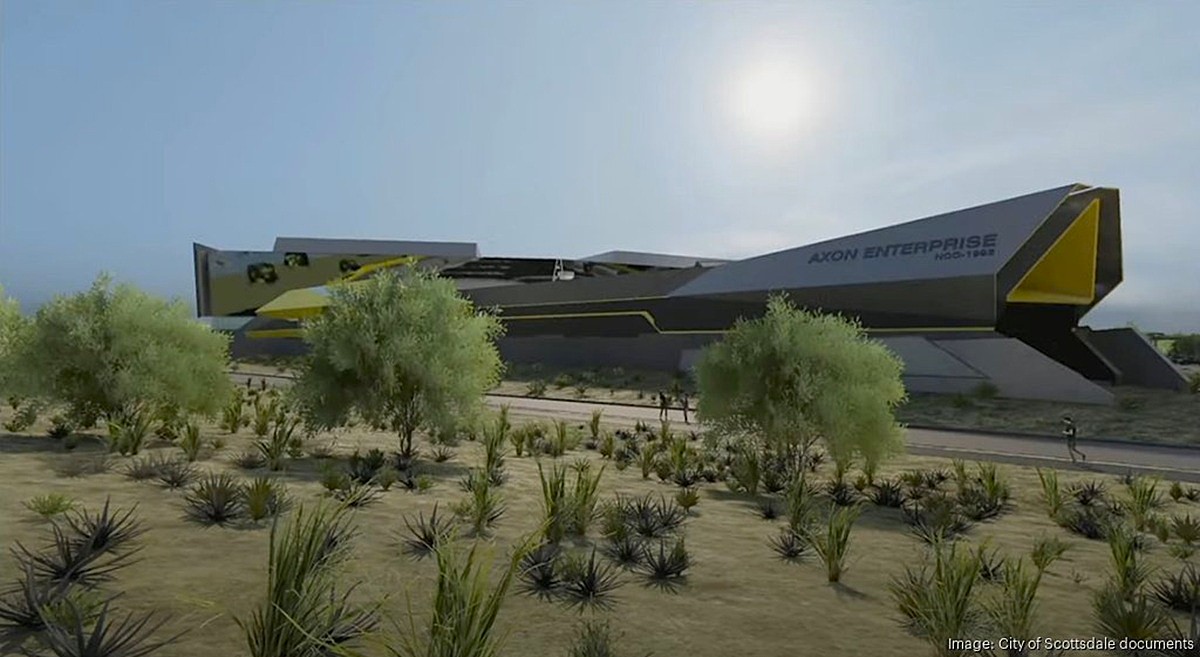
Scottsdale’s Bold New Direction: An Editorial Assessment
In a dramatic turn of events that has captured the attention of local residents and political observers alike, the city of Scottsdale recently approved a Memorandum of Understanding (MOU) with the global tech company Axon. This decision, marked by a 4-3 vote, sets in motion a massive headquarters expansion that promises to reshape the local landscape. The project, which includes the construction of 600 apartments and 600 condominiums across two distinct phases, has ignited strong opinions among community members, local activists, and political leaders.
At its core, this controversial move raises many important questions about community impact, urban planning, and the intricate relationship between local government and private enterprise. As we take a closer look at this unfolding story, it becomes essential to reflect on the many tricky parts, tangled issues, and overlapping interests shaping the decision-making process in Scottsdale.
Project Overview: Unpacking A Complex Urban Initiative
The Axon headquarters expansion is not merely about adding brick-and-mortar structures to the cityscape; it is an ambitious urban development plan that promises a blend of high-tech facilities, residential housing, and public infrastructure improvements. The final approval through the MOU allows Axon to move forward with a plan that includes:
- A state-of-the-art manufacturing facility
- A hotel and commercial space
- Mixed-use residential developments in the form of apartments and condominiums
- Supportive community infrastructure including road improvements, water and sewer upgrades, and recreational amenities such as a dog park and a one-mile walking and biking trail
This comprehensive plan is designed to serve not only Axon’s business expansion objectives but also to provide a boost to the local economy and public amenities—regardless of the ongoing debates about its potential long-term impact on the community.
Community Impact and Housing Development: The Details That Matter
One of the key areas of intense scrutiny regarding the Axon expansion project is its residential component. With a total of 1,200 housing units set to be developed in two phases, local critics have expressed concerns about whether this surge in population density will align with the city’s long-term urban planning goals.
Understanding the fine points of the housing development is critical. Here are some of the central issues that residents and city planners alike are grappling with:
- Population Density: The addition of 1,200 new units in a relatively short period raises questions about overcrowding, available public services, and the preservation of the local quality of life.
- Affordable Housing Concerns: While the project promises new residential spaces, skeptics worry about whether some residents may be priced out of their neighborhoods due to rising costs.
- Infrastructure Strain: The city must manage the nerve-racking challenge of upgrading roads, water supplies, sewer systems, and other essential utilities to accommodate the increased volume of residents.
City officials have attempted to alleviate some of these tangled issues by outlining robust infrastructural improvements as part of the deal with Axon. This includes a new dog park and a dedicated walking and biking trail, which are small but significant additions aimed at enhancing the quality of life for new and existing residents alike.
Political Implications and Local Governance: A Tight-Knit Decision
The approval of the MOU has not come without political fallout. The narrow 4-3 vote in the Scottsdale City Council underscores a city council divided on the best way forward. The decision was plunged into controversy following a nearly 40-minute recess during which key testimony was given by Axon President Josh Isner. The exchange, which reflected both the city’s desire for progress and the weight of community skepticism, has left lasting impressions on local political dynamics.
Many observers have noted that this decision was as much political as it was economic. With critics like the activist group TAAAZE (Taxpayers Against Awful Apartment Zoning Exemptions) accusing council members of betraying their constituents, the vote sets up an arena of political contest that is likely to have reverberations in upcoming city elections. The slim margin by which the MOU was approved hints at the delicate balancing act local officials must perform amid competing political pressures.
Shifts in Local Politics: Understanding the Voting Dynamics
The decision-making process regarding the Axon project reveals several subtle details about local political life in Scottsdale:
- The Role of Swing Votes: In the face of polarized opinions, Mayor Lisa Borowsky emerged as a pivotal figure. Initially voicing doubts, she shifted her stance after key discussions and became instrumental in steering the city towards approving the deal.
- Impact on Future Elections: Groups such as TAAAZE, who are not only opposing the project on policy grounds but also preparing for next year’s elections, present a political landscape where voters are likely to hold local leaders accountable in future contests.
- Legal and Legislative Challenges: Pending lawsuits against both the city and the state of Arizona illustrate the legal headaches inherent in balancing public and private interests.
As local officials work through these political and legal tangles, the ruling on the MOU has become a litmus test for broader governance challenges that modern American cities must address as they engage in large-scale development projects.
Technological Innovation Meets Traditional Urban Planning
One of the more compelling aspects of the Axon expansion is the integration of modern technological infrastructure into a traditional urban planning framework. Axon has promised to create a Real-Time Crime Center that will be available to Scottsdale at no cost for a period of five years. This initiative involves advanced video, mapping, and analytics technologies aimed at boosting public safety operations.
The provision of high-tech public safety tools has raised hopes among those who see the potential for smoother public service operations and enhanced community safety. However, it also brings up a set of complicated pieces related to privacy, data management, and the balance between public benefit and corporate influence in everyday civic life.
Benefits of High-Tech Public Safety Measures
The planned Real-Time Crime Center is designed to bridge traditional public safety approaches with modern technological advances. Some of the key benefits include:
- Enhanced Response Times: With better data analytics and real-time updates, police and emergency services could steer through emergencies with greater efficiency.
- Improved Mapping and Surveillance: The use of advanced mapping tools may help better allocate resources during critical incidents.
- Cost Savings: Free-of-charge access to sophisticated technology for a period of five years offers a super important financial relief for local agencies.
These improvements could transform how public safety is managed in Scottsdale, although they inevitably come with the necessity for ongoing discussions about accountability and community oversight.
Economic Growth Versus Community Stability: Striking the Right Balance
The Axon expansion project is emblematic of a broader national conversation: the negotiation between accelerated economic development and the preservation of the social fabric in urban communities. On one side, proponents extol the virtues of growth—new jobs, modern amenities, and an infusion of capital into the area. On the other side, critics warn that rapid development could upset the existing balance of community life.
How does one find your way through these competing claims? It requires a deep understanding of several intertwined factors, such as economic forecasts, fiscal responsibility, and the potential for shifts in urban demographics.
Key Economic Factors at Play
Below is a table summarizing the primary economic considerations related to the project:
| Economic Factor | Potential Benefit | Potential Drawback |
|---|---|---|
| Job Creation | New facilities and infrastructure projects could spur local employment opportunities. | The quality and sustainability of these jobs remain a question. |
| Revenue Generation | Increased business activity may boost tax revenue and public funds. | The long-term fiscal impact of infrastructure upgrades and subsidized services can strain city budgets. |
| Urban Renewal | A modern expansion can revitalize underused urban spaces and attract further investment. | Rapid changes might disrupt established neighborhood dynamics. |
| Infrastructure Investment | Upgrades to utilities and public spaces promise lasting benefits. | Initial costs and maintenance challenges can be overwhelming. |
This balancing act between economic growth and community stability is loaded with issues that require a cautious, informed approach to urban planning, especially as it impacts both current and future residents.
Public Sentiment and Community Engagement: Voices from the Ground
No major urban development project proceeds without generating strong public emotion. In the case of the Axon expansion, community response has been decidedly mixed. For many, especially those involved with groups like TAAAZE, the decision is seen as a betrayal of long-standing local interests. These critics argue that the project undermines the community’s trust in local government, particularly given the political maneuvers evident during the city council vote.
At the same time, there is a segment of the community that views the project as a necessary, progressive step forward. These supporters emphasize the potential benefits—from enhanced public services driven by high-tech innovations to the promise of new housing and economic opportunities. The polarity of opinions encapsulates the broader challenge of taking a closer look at community sentiment amidst rapid urban change.
Community Feedback: A Snapshot of Diverse Opinions
Imagine the following bullet list as reflective of typical sentiments voiced by local residents:
- “I’m excited about the new jobs and technological advancements coming to our city, but we also need assurances about protecting our neighborhoods.”
- “While progress is essential, I worry that the project will lead to gentrification and the displacement of long-time residents.”
- “The promise of improved public safety technology is encouraging, yet transparency in how this data is used remains a big concern.”
- “I feel that the city council’s decision fails to involve local voices in the planning process—a mistake that will have long-lasting political consequences.”
These experiences underline how delicate the matter is. Finding your way through the myriad emotions, expectations, and criticisms requires that local leaders remain attuned to every subtle detail of public engagement, ensuring that growth is accompanied by community support and consensus.
Legal and Regulatory Considerations: Unraveling the Paperwork
The approval of the MOU is not the end of the road from a legal or regulatory perspective. There remain several nerve-racking steps ahead, particularly concerning legal challenges and ongoing legislative hurdles. Notably, the lawsuit initiated by TAAAZE against both the city of Scottsdale and the state of Arizona underscores the unfixed nature of the project’s approval.
In this context, understanding the tricky parts of the legal framework is crucial. The city has also postponed a separate vote on whether to join a broader lawsuit related to a state law that canceled a planned referendum on the expansion. These legal knots need to be unraveled if the project is to proceed without additional hiccups.
Key Legal Challenges Ahead
A closer look at the pending legal issues reveals several challenges:
- Referendum Cancellation: The decision to cancel the city referendum through legislative means continues to spark debates over democratic processes and local autonomy.
- Pending Lawsuits: The ongoing legal battle led by groups like TAAAZE may result in delays or modifications to the project, especially if local courts rule in favor of transformed community guidelines.
- Regulatory Oversight: The expansion, with its significant infrastructural and environmental implications, may require further scrutiny from state and federal regulatory bodies.
- Contractual Commitments: The MOU stipulates deadlines for Axon’s signing, introducing a ticking clock that adds pressure to legal negotiations.
These legal tangled issues indicate that while the ceremonial green light has been given, the expansion’s future remains on edge until all legal challenges are satisfactorily resolved.
Urban Planning in the Age of Tech Expansion: A New Model for Growth?
The Axon project is more than just a singular case study—it reflects an emerging model in urban planning where technology-driven initiatives intersect with traditional city development challenges. This new blueprint involves a delicate interplay between innovative technology installations and the everyday needs of a growing population.
City planners are now tasked with managing your way through a landscape where modernity meets established community practices. The shift indicates that future urban developments may increasingly involve partnerships with tech companies, providing both cutting-edge services and the potential for controversy.
Comparing Traditional and Technological Urban Models
Below is a table that contrasts the key attributes of conventional urban development with those seen in technology-driven projects like Axon’s expansion:
| Aspect | Traditional Urban Development | Technology-Driven Expansion |
|---|---|---|
| Public Safety | Conventional police response | Real-Time Crime Centers with advanced analytics |
| Housing Strategy | Incremental growth with community involvement | Rapid residential development accompanying tech upgrades |
| Community Engagement | Local referendums and prolonged public debate | Fast-track approvals and behind-closed-doors deals |
| Infrastructure Upgrades | Planned over long cycles | Simultaneous with corporate expansion plans |
This comparative analysis highlights how emerging projects are reshaping the urban planning discourse, inviting city officials, community leaders, and residents to take a closer look at contemporary development strategies that incorporate both immediate economic benefits and long-run societal changes.
Balancing Competing Interests: Growth, Safety, and Quality of Life
As the city of Scottsdale embarks on this ambitious journey with Axon, it becomes essential to consider how growth can be balanced against the quality of life enjoyed by current residents. In the wake of the approval, many questions remain about whether this balance will actually be achieved. The debate centers on several intertwined points:
- Economic Opportunity vs. Community Cohesion: While the promise of new jobs and enhanced amenities offers exciting potential, there is concern that rapid urban development might disrupt the social fabric that long-time residents cherish.
- Technological Advancement vs. Personal Privacy: The integration of advanced public safety technologies is a super important step forward, but it also raises questions about surveillance and individual rights.
- Immediate Benefits vs. Long-Term Costs: Immediate economic gains, such as increased tax revenue and better infrastructure, must be weighed against possible long-term challenges like infrastructure strain and community displacement.
This balancing act is full of problems that remind us that urban planning decisions are rarely black and white. They come with many little twists and turns, each demanding careful consideration and a willingness to compromise among competing interests. City officials and project developers must continuously engage with the community to ensure that growth is not only celebrated but also managed with a clear eye on preserving the community’s unique character.
Strategies for Harmonious Urban Development
To achieve a harmonious balance in this fast-evolving urban environment, several strategic measures could help all parties involved:
- Enhanced Community Consultations: Regular town hall meetings and public forums can help bridge the gap between residents and policymakers.
- Transparent Communication: Keeping the community fully informed of project milestones and potential changes can avert feelings of mistrust.
- Adaptive Urban Planning: City planners should remain agile and responsive, ready to adjust project details as community feedback and unforeseen challenges arise.
- Ongoing Legal Review: Continuous assessment of legal and regulatory frameworks ensures that all stakeholder rights are respected and any future complications are managed quickly.
By taking a proactive approach to collaboration, Scottsdale can work towards a future where technological progress and traditional community values coexist in a mutually beneficial relationship.
Looking Forward: What’s Next for Scottsdale and Axon?
With the wheels of progress already in motion, many are now eagerly anticipating what lies ahead for both Scottsdale and Axon. Axon’s commitment to begin construction in 2026 represents a tangible timeline that brings both optimism and anxiety. There is a palpable buzz about early groundbreaking events and the promise of returning to productive work environments, yet equally, the long, nerve-racking wait for tangible results looms large.
Mayor Lisa Borowsky’s previously wavering support, which ultimately tipped the balance in favor of the MOU, now places a significant responsibility on local leaders to deliver on the promises made during the contentious city council session. Meanwhile, the pending legal challenges and political debates suggest that this is only the beginning of a long journey filled with many subtle details, complicated pieces, and potential hurdles.
Key Milestones Ahead
Here is a bullet list of anticipated milestones as the Axon project unfolds:
- Finalization of contractual obligations and the signing of the MOU by Axon.
- Completion of foundational legal and regulatory reviews, including responses to pending lawsuits.
- Initial groundbreaking and commencement of phased construction in early 2026.
- Rollout of promised infrastructural improvements, including road upgrades and public amenity enhancements.
- Ongoing public safety improvements via the establishment of the Real-Time Crime Center.
- Future city council reviews and possible adjustments based on community and legal feedback.
Each of these milestones represents not just a step forward for the Axon expansion, but also an evolving chapter in Scottsdale’s urban story—one that is being written in real time at the intersection of modern technology, economic ambitions, and community identity.
Reflecting on the Broader Implications: A Case Study in Modern Urban Development
The ongoing debate over the Axon headquarters expansion in Scottsdale serves as a microcosm of larger national trends. Across the country, cities are wrestling with the challenge of integrating high-tech innovations into existing urban environments while preserving the quality of life for long-time residents. The Scottsdale case reminds us that development projects, no matter how promising, come with a host of tricky parts and tangled issues that must be addressed responsibly.
This case study offers several lessons for other municipalities considering similar partnerships between technology companies and local governments:
- Engagement is Key: Successful urban development requires not only visionary projects but also proactive engagement with community members at every stage. Transparent dialogues and regular updates serve as a backbone for trust-building.
- Planning for the Future: Flexible, adaptable urban planning strategies are necessary to balance rapid economic growth with the long-term stability of neighborhoods and public services.
- Legal Preparedness: The importance of having resilient legal frameworks in place cannot be overstated. Anticipating and managing legal challenges can smooth the path for development while safeguarding public interests.
- Balancing Benefits and Risks: Every advancement that a project brings is accompanied by potential risks—ranging from increased density and strain on infrastructure to privacy concerns related to new technologies. Addressing these risks early will contribute to a more balanced outcome.
For city officials and policymakers, remaining full of problems in the sense that every decision is inherently linked with unintended consequences seems unavoidable. However, the skill lies in recognizing the small distinctions that matter, addressing the hidden complexities head-on, and being willing to adapt plans as real-world impacts become clear.
Conclusion: A New Chapter for Scottsdale
The approval of the MOU between Scottsdale and Axon marks the beginning of a bold new chapter in the city’s development narrative. While the decision has been met with a mix of enthusiasm and skepticism, it underscores a broader commitment among local leaders to pursue progress and innovation—even when the path forward is strewn with nerve-racking challenges and puzzling legal tangles.
The story of the Axon expansion is far from over. As construction is slated to begin in 2026, stakeholders from all sides—politicians, community activists, residents, and legal experts—will continue to scrutinize each step of the journey. The delicate balance between economic opportunity and community integrity will be tested repeatedly as new challenges arise and ways are sought to optimize public safety, housing stability, and urban livability.
In these times of rapid change, it is essential for communities to stay engaged and informed. Whether you support the new developments for the innovative benefits they promise or you worry about the disruptive twists and turns ahead, this development represents an opportunity for Scottsdale to redefine what modern urban life can look like. By working through the tangled issues, finding your way among legal and political debates, and prioritizing community involvement, Scottsdale can set an example for other cities facing similar dilemmas in the 21st century.
Ultimately, the Axon headquarters expansion is more than just a local news story—it is a sign of the times. The cross-section of technology, urban planning, and community activism demonstrated in this project provides critical insight into how modern cities can harness progress without losing sight of the people at their heart. As the story unfolds, it will serve as a living laboratory for balancing innovation with tradition, economic growth with community-based values, and short-term gains with long-term sustainability.
Residents, policymakers, and industry experts alike would do well to keep an eye on this evolving saga. The choices made today, amidst a landscape full of challenges and subtle details, will undoubtedly shape the future of Scottsdale and offer lessons to communities far beyond Arizona’s borders. The journey may be fraught with tension and loaded with issues, but it is also riddled with opportunity—a reminder that progress, in all its messy, complicated glory, rarely follows a simple path.
As we look ahead, it is clear that the Axon project is more than just a piece of development. It is an opinion-shaping focal point that encapsulates the very essence of modern urban transformation. For those willing to delve into the nitty-gritty and figure a path through the confusing bits of policy and public opinion, there lies an exciting opportunity to witness, firsthand, the making of a new urban legacy in Scottsdale.
Originally Post From https://www.fox10phoenix.com/news/scottsdale-approves-axon-headquarters-expansion-despite-resident-criticism
Read more about this topic at
New Axon HQ deal cuts apartments, but Scottsdale voters …
Scottsdale, Axon come to a compromise over headquarters …