
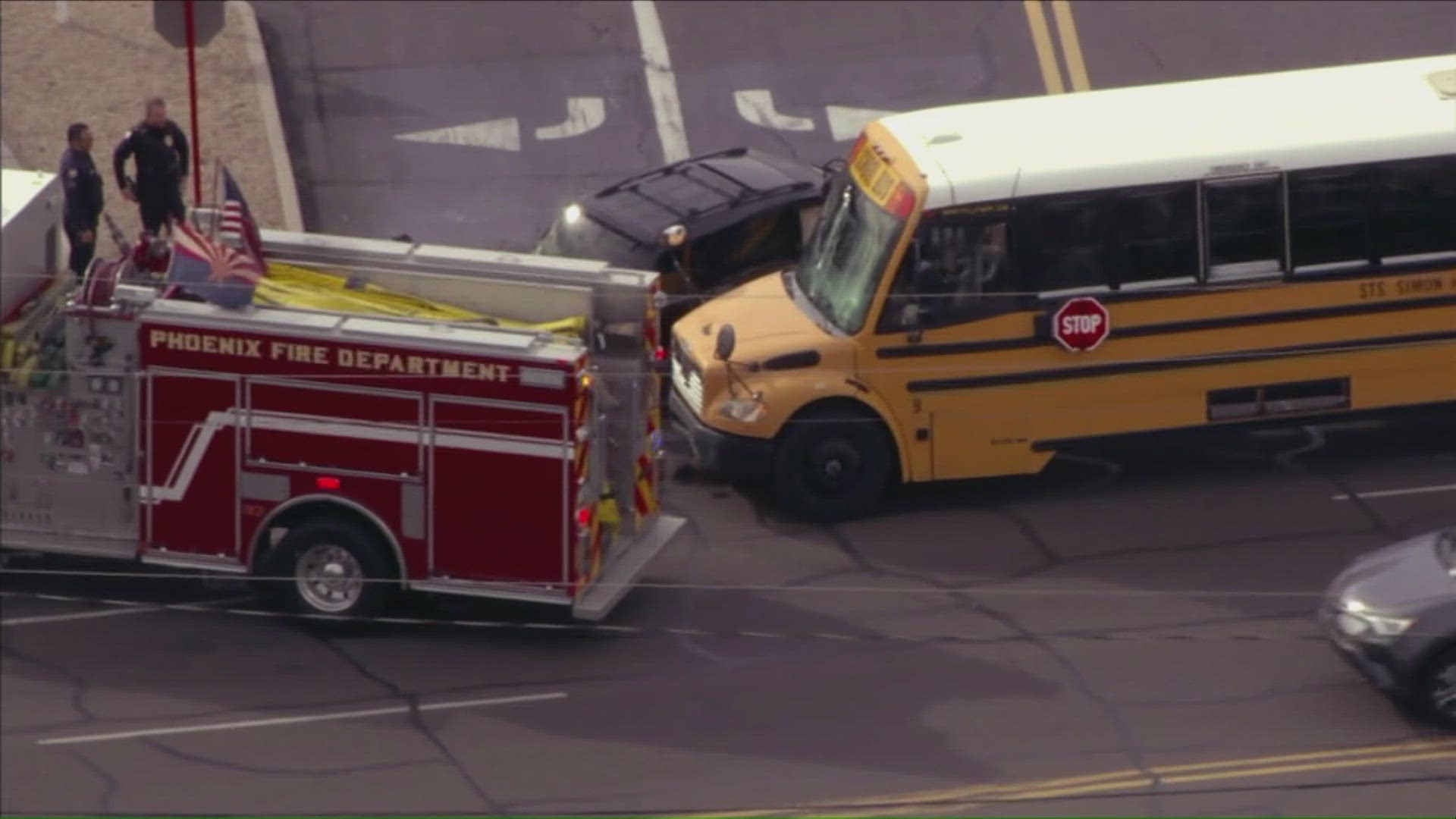
Assessing Accountability: Legal and Social Implications of a Phoenix School Bus Incident
The recent crash in central Phoenix—where a school bus collided with an SUV near the intersection of 16th Street and Glendale Avenue—has sparked a wealth of debate not only about transportation safety but also about the tangled legal questions that such incidents inevitably raise. On Tuesday morning, amidst the hustle of a typical weekday, an accident left a vehicle driver hospitalized with severe injuries, while six of the 68 students on the bus sustained minor injuries. Though none of these young passengers required hospital care, the event has left many communities wondering how legal responsibility should be apportioned and what steps might prevent similar occurrences in the future.
As we reflect on this event, it is important to note the delicate balance between public safety and legal liability. The incident underscores a broader conversation about the responsibilities of drivers, the role of administrative decisions in planning field trips for schoolchildren, and the legal frameworks that guide the outcome of traffic accidents. By taking a closer look at these issues, we can begin to understand the legal and societal implications that extend beyond the immediate tragedy.
Determining Liability in Multi-Vehicle Collisions
When multiple parties are involved in a road accident, legal liability becomes a tricky part of the aftermath. The question of who is at fault is often mired with tangled issues that require a detailed investigation. In this case, both the school bus operator and the SUV driver have come under scrutiny. To better comprehend this situation, it is necessary to examine the following key areas:
- Duty of Care: Both parties have a legal obligation to exercise caution and to look after the safety of everyone on the road.
- Negligence: Determining whether either party acted carelessly or ignored safety standards is one of the first steps legal experts take.
- Field Trip Logistics: The school bus was reportedly being used to transport students on a field trip, which introduces additional legal complications concerning the supervision of minors.
In legal terms, assigning responsibility in these situations involves evaluating each party’s role in the accident. For instance, if the SUV driver was found to have engaged in risky behavior, that person might bear a significant portion of the liability. On the other hand, a failure to comply with school transportation guidelines can also lead to questions regarding the bus operator’s actions. Each of these considerations exposes the complicated pieces and fine points—the hidden complexities—that legal professionals must get into when dissecting the case.
Field Trip Arrangements and School Bus Safety Regulations
One aspect that deserves special attention is the administrative management of school field trips. In the incident at Phoenix, it was clarified that the bus, which belonged to Saints Simon & Jude Cathedral School, was operating on behalf of another Catholic elementary institution. Although all parents were promptly notified after the accident, the fact remains that the planning of such trips is loaded with potential legal pitfalls.
School administrators and transportation coordinators need to be aware of several critical yet often overlooked factors:
- Third-Party Liability: When students are transported by a vehicle belonging to one organization but used by another, questions naturally arise about which entity is ultimately responsible for ensuring the children’s safety.
- Insurance Coverage: The intricacies of insurance obligations can become overwhelming, especially if there is any ambiguity about which policy covers the accident.
- Parental Consent and Notification: Given the sensitive nature of transporting minors, ensuring that all parents are fully informed and have provided consent is a key legal requirement.
For legal professionals and school administrators alike, managing these issues calls for vigilance in the form of strict oversight and clear communication channels between all parties involved.
Emergency Response and the Role of Investigation
Amid the nerve-racking developments following the crash, one aspect that has drawn significant attention is the pace and thoroughness of the emergency response. Phoenix Fire’s prompt action ensured that help was dispatched quickly. However, the incident further highlights the ways in which emergency services and law enforcement work together to untangle the subtle details of each case.
In an environment where every second counts, emergency responders are responsible for not only providing immediate care but also for preserving evidence that might be critical in a legal investigation:
- On-Scene Assessment: Fire and rescue teams conducted on-site evaluations to determine the extent of injuries and the proper measures required for immediate medical attention.
- Evidence Gathering: Law enforcement officials have to thoroughly document the site, collect witness testimonies, and secure any physical evidence that might aid in discerning who was at fault.
- Coordination Between Agencies: The efficient collaboration between different responders can serve as a model of inter-agency coordination, which is essential when facing scenarios that are loaded with problems and potential legal ramifications.
The investigation continues in Phoenix, with both state and local officials working to piece together the events that led to the crash. Such investigations are critical not only in unraveling responsibility but also in steering through the regulatory framework that ensures future incidents might be prevented.
Legal Implications for Drivers and Transportation Providers
One of the central issues that emerge from this devastating event is the legal implications for drivers and transportation providers. In the wake of a multi-vehicle accident, liability may extend beyond simply determining who drove poorly. The law requires that all involved—the driver of the school bus, the SUV driver, and even the entities responsible for scheduling the trip—share the responsibility for ensuring safe transit.
Here are some key legal considerations that surface after such accidents:
- Negligence Claims: If it is determined that one party’s failure to exercise due care led directly to the incident, that party could face personal and corporate liability claims.
- Comparative Fault: Many jurisdictions follow a system where fault can be shared, meaning that the final responsibility might be spread across the parties depending on the fine shades of the evidence.
- Regulatory Compliance: Transportation providers are expected to adhere to relevant state and federal guidelines regarding vehicle maintenance, driver qualifications, and safety protocols. Failure to comply can result in severe legal repercussions.
These legal discussions are never straightforward—they involve subtle details and slight differences in the interpretation of what happened on the day of the accident. As legal analysts continue to sift through the available evidence, it becomes clear that every twist and turn of the case holds potential insights into how best to manage future incidents. Ultimately, this case serves as a charged reminder that adherence to safety standards is not only a moral responsibility but also a legal one.
Exploring the Duty of Care in Transportation Law
The Phoenix school bus incident also prompts a broader evaluation of the concept of duty of care under transportation law. Essentially, duty of care is the legal obligation for drivers and transportation enterprises to ensure that their actions do not cause harm to others. This requirement becomes super important when dealing with vehicles used to transport minors.
To understand the challenges involved in upholding this duty, we might consider some of the following points:
| Key Element | Description |
|---|---|
| Driver Qualification | Ensuring that all drivers have received adequate training and hold the necessary licenses can help reduce the chance of an accident. |
| Vehicle Maintenance | Regular maintenance and strict attention to the vehicle’s operational capabilities are non-negotiable aspects of duty of care. |
| Communication Protocols | For field trip scenarios, clear lines of communication between school officials, drivers, and administrative bodies are essential. |
| Emergency Preparedness | Having protocols in place for swift action in the wake of an accident can alleviate the nerve-racking aftermath and help save lives. |
Each of these elements represents a critical component of the broader legal obligations that underpin the safe transportation of children. Whether it is the responsibility of ensuring that all documentation is up to date or that vehicles are in prime working condition, the slightest oversight can have overwhelming consequences.
The Role of Insurance and Financial Implications
Apart from determining fault, accidents such as this have far-reaching implications in the realm of insurance. The interplay between insurance policies, claims processing, and legal liability often creates further twists and turns in the resolution process.
Some of the key insurance-related issues include:
- Coverage Overlap: In situations where multiple parties are involved, it can be challenging to discern whether the school district’s insurance, the private insurance policy of the SUV driver, or even a separate plan covers the accident.
- Policy Limitations: Often, policies have specific exclusions and limitations that could impact the potential compensation for injuries or damages.
- Subrogation Claims: Once an insurance payout is made, insurers typically have the right to recoup their expenses by pursuing further claims against the at-fault party.
The insurance landscape following such accidents is full of complicated pieces that require all parties to carefully examine the fine points of their policies. Legal advisors, insurance brokers, and financial assessors often need to work together to figure a path through these challenging issues.
Community Trust and the Impact of Public Notification
An often-overlooked aspect of incidents involving school buses is the impact on community confidence. In this Phoenix accident, the swift notification of parents and community members played a crucial role in maintaining trust in the institutions involved. The rapid dissemination of accurate information is essential in mitigating public concern and potential legal backlash.
The measures taken in such cases tend to focus on several key areas:
- Transparency: Both the transportation providers and the relevant educational bodies must offer clear, honest updates on the incident to avoid misinformation.
- Responsiveness: A quick reaction in notifying parents and ensuring that medical and legal remedies are pursued demonstrates commitment to the safety and well-being of students.
- Accountability: Acknowledging errors when they occur and taking steps to remedy them is essential in sustaining community trust.
In today’s fast-paced media environment, every detail—no matter how subtle—can have significant repercussions. As the investigation into the Phoenix accident continues, legal experts remain on edge, aware that even small distinctions in the handling of the situation can influence both public perception and potential litigation.
Lessons Learned: Future Implications for School Transportation
Looking forward, this incident provides valuable insights that could help prevent future accidents and improve legal frameworks for handling similar events. For policymakers, school administrators, and transportation companies, the case is a reminder of the following takeaways:
- Review of Safety Protocols: Reassessing transportation safety measures can help identify and address any nerve-racking gaps in procedures, from driver training programs to vehicle maintenance schedules.
- Strengthening Legal Frameworks: Ensuring that legal statutes keep pace with modern transportation challenges is critical. This may involve revising liability rules or updating state requirements for school bus operations.
- Enhanced Communication: Establishing robust channels for communication among schools, transportation providers, and emergency services is a super important step in both preventing and mitigating accidents.
One effective method to address these challenges is through regular audits and safety drills. By taking a closer look at every component of the transportation process and ensuring that all participants are fully prepared, schools and transportation entities can work through the tricky parts and subtle details that might otherwise be overlooked.
Legal Perspectives on Preventative Measures
From a legal standpoint, the need for comprehensive preventative measures cannot be overstated. The duty to care—especially when it comes to the safe transport of minors—requires that every interrelated system functions impeccably. Here are some of the pragmatic strategies that legal professionals advocate:
- Regular Compliance Reviews: Conducting periodic reviews of adherence to legal safety protocols can help catch potential issues before they escalate into full-blown legal crises.
- Enhanced Driver Training: Given the nerve-racking nature of road emergencies, mandatory advanced training sessions can prepare drivers to deftly handle unexpected situations.
- Clear Liability Clauses: Contracts between schools, bus operators, and third-party vendors should include well-defined liability terms. This clarity can help avoid disputes once an accident occurs.
These measures, although they may seem like small distinctions in policy, are key steps towards ensuring that similar accidents do not occur in the future. In working through the legal challenges presented by incidents like the Phoenix crash, every participant in the transportation chain will need to commit to ongoing improvements and honest evaluations.
Examining the Challenges of Cross-Agency Coordination
A further complication in the wake of multi-vehicle incidents is the need for effective cross-agency coordination. When local fire departments, law enforcement agencies, school district officials, and insurance companies are all involved, establishing a clear chain of command becomes critical. The challenges here include:
- Information Sharing: Rapid and accurate information exchange between different agencies can significantly impact the speed and effectiveness of the response.
- Unified Command: Establishing a lead agency to coordinate the investigation and manage public communications can help streamline the many moving parts involved.
- Mutual Accountability: When every agency is aware of its role and responsibilities, the risk of miscommunication—and thus legal missteps—can be minimized.
By working collaboratively, agencies can better manage their way through the maze of legal, investigative, and logistical challenges that arise in the immediate aftermath of a serious road incident. This approach not only serves the community but also reinforces the integrity of the legal process.
Public Policy Reforms and Legal Precedents
Beyond the immediate legal issues, the Phoenix incident also raises questions about public policy and reform. Legal analysis of past transportation accidents has shown that even minor oversights—ranging from inadequate driver training to gaps in legislative guidelines—can have a lasting impact on public safety. Policymakers are now faced with the task of reconciling past legal precedents with emerging challenges in transportation safety.
In order to confront these challenges effectively, a few key reforms have gained attention:
- Stricter Oversight on Transportation Providers: Legislators may consider enacting laws that set higher benchmarks for driver qualifications and regular vehicle inspections.
- Enhanced Reporting Standards: In the wake of an accident, ensuring that thorough reports are submitted by all involved parties can streamline legal proceedings and reduce misunderstandings.
- Increased Public Funding for Safety Initiatives: By allocating resources to better training programs and advanced vehicle technologies, policymakers can help mitigate the risks associated with school transportation.
The interplay between public policy and legal practice is a delicate one. Every small twist in the reporting standards and every slight difference in the language used in legislative documents can affect how an incident is ultimately adjudicated. Learning from each past incident, including this Phoenix case, is part of the ongoing effort to protect our children and ensure that justice is both served and seen to be served.
Reflections on Community Impact and Legal Ethics
Finally, it is important to step back and look at the broader community impact of such events. Legal ethics and the long-standing principle of protecting public welfare are at the core of debates following incidents like this. While legal experts might focus on the rule of law and responsibilities of various parties, the human element—the distress of parents, the anxiety of young children, and the communal sense of security—remains ever-present.
In reflecting on these events, several ethical considerations deserve mention:
- Transparency in Legal Proceedings: It is essential for all parties—including legal representatives, school administrators, and government agencies—to communicate clearly and openly with the affected families.
- Ensuring Justice Without Blame: While accountability is critical, the legal process must be designed to prevent the overzealous assignment of blame that might impede genuine improvements in safety practices.
- Focus on Rehabilitation and Prevention: Beyond assigning liability, the aim should be to improve systems and educate all participants about their responsibilities, thereby reducing the likelihood of future tragedies.
Balancing the scales of justice with compassion and sensitivity is a nerve-racking challenge, yet it remains one of the most important tasks of modern legal practice. By taking a closer look at the various tangled issues presented by the accident, professionals in the field can dig into the fine points of legal ethics to ensure that responsibility is matched with a demonstrated commitment to community well-being.
Conclusion: Charting a Safer Future Through Legal and Community Collaboration
The tragic incident in Phoenix is more than a single accident—it is a case study that highlights the many complicated pieces of modern transportation law and public safety. From the responsibilities of individual drivers and field trip organizers to the broader challenges of cross-agency coordination and public policy reform, the incident provides a stark reminder of the delicate web of legal obligations that underpin everyday activities.
As communities and legal authorities work to figure a path forward after this alarming event, one thing is clear: ensuring the safety of our children during school-related travel is a must-have responsibility that requires vigilance at every level. Whether it is through stricter regulations, better communication protocols, or enhanced driver training programs, the ongoing effort to manage these responsibilities is a shared one that spans legal experts, school administrators, and community members alike.
Although the path to renewed trust and improved safety will undoubtedly involve numerous challenging discussions and the occasional nerve-racking review of past practices, the lessons learned from the Phoenix accident have the potential to catalyze significant changes. By addressing the hidden complexities, the subtle details, and even the tiniest twists in the procedures that govern school transportation, we can move toward a future where such tragedies are not only prevented but systematically resolved through clear, effective legal action.
In summary, the Phoenix school bus incident is a powerful reminder of the intricate balance between public safety and legal responsibility. It calls on all involved parties to carefully assess their practices, to work collaboratively in a spirit of transparency and accountability, and to commit wholeheartedly to the ongoing task of ensuring that every twist and turn in our transportation systems is monitored and improved. Only then can we hope to build a safer, more secure future for all.
As legal scholars, policymakers, and community leaders continue to navigate these challenging issues, the Phoenix case stands as a testament to the necessity of constant vigilance, continuous improvement, and a shared determination to protect those who are most vulnerable. It is a call for all of us to take responsibility and to work together in managing our way through the tangled, complicated pieces of modern life where sustainability, safety, and justice converge.
Ultimately, the lessons we extract from this incident should act as a catalyst for change—a reminder that every detail matters, every legal nuance is important, and that by facing the confusing bits and the nerve-racking aspects of such incidents head-on, we can forge a path toward a more just and secure society.
While legal proceedings will continue to unearth the fine points of responsibility, the true measure of success will be seen in the proactive steps taken by transportation providers, regulators, and community stakeholders to ensure that tragedies like this one become a thing of the past. Let this incident serve not just as an indictment of current practices, but also as a blueprint for reform—a call to prioritize the essential responsibility we all share in protecting our communities.
With ongoing investigations promising further insights, one can only hope that every lesson learned from this unfortunate event contributes to the creation of safer roads, more effective policies, and a legal system that genuinely reflects the pressing need to protect our children and our communities.
Originally Post From https://www.azfamily.com/2025/11/18/rescues-underway-after-crash-involving-school-bus-north-phoenix/
Read more about this topic at
This morning a tragedy took place and a 4 year old little …
Victim identified in fatal Jamestown, NY school bus crash