
YouTube Fame, Road Safety, and the Law: A Cautionary Tale
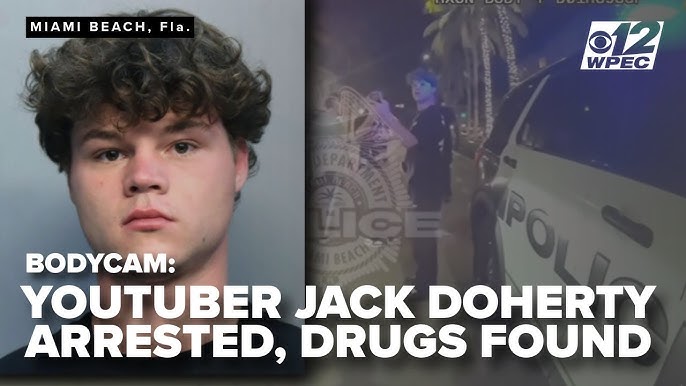
The recent arrest of a popular YouTuber in Miami Beach has not only catapulted headlines into the spotlight but also raised important questions about public safety, legal boundaries, and the tricky parts of balancing social media fame with legal responsibilities. In a case that unfolded in the early hours of a Saturday morning, Jack Doherty, a 22-year-old content creator with a massive following, was detained by local police after filming in the middle of a busy roadway. This incident has ignited a debate about where internet stunts end and dangerous behavior begins.
At approximately 3:12 a.m., Doherty decided to position himself in the middle of the road for the sake of producing engaging content. This decision, made in the interest of fulfilling a bet, not only disrupted traffic but also created a situation that police described as nerve-racking for both drivers and the YouTuber himself. According to Miami Beach Police, multiple orders to vacate the roadway were met with defiance, encapsulated in Doherty’s dismissive comment, “Once I’m done with this bet!” Such a choice underscores the perilous balance between creating viral content and understanding the legal, as well as physical, risks associated with such acts.
This editorial aims to take a closer look at several key aspects of this incident, including the legal framework surrounding road safety, the responsibilities that come with internet fame, and the broader implications for content creators looking to push boundaries. By examining these points, we hope to provide readers with a more nuanced understanding of the challenges that arise when public behavior, law enforcement, and social media collide.
Evaluating the Situation: Public Safety Versus Internet Entertainment
The primary concern in this case is undoubtedly public safety. When a content creator chooses to film in the middle of the road, they not only endanger themselves but also create a hazardous environment for unsuspecting motorists. In the realm of road safety laws, there are several tricky parts and tangled issues that must be carefully considered.
Understanding the Legal Framework of Road Regulations
Filming in a manner that interferes with traffic poses serious legal challenges. In many jurisdictions, laws are sharp and clear when it comes to behaviors that compromise the safety of others on public roads. The key points to consider in this instance include:
- Traffic Obstruction: Creating roadblocks or impeding the normal flow of traffic is a clear violation of public safety statutes.
- Failure to Comply: Refusing to follow police instructions is not only reckless but also can escalate the situation into criminal behavior.
- Substance-Related Charges: The discovery of suspected amphetamine and cannabis on Doherty’s person further complicated this case, introducing additional legal charges related to possession of a controlled substance.
These points illustrate the fine points of legal responsibility. While the law must accommodate a range of behaviors, it is essential for content creators and influencers to recognize that public roads are not a stage for performing dangerous stunts. The legal implications here are neither off-putting nor intimidating in theory; they are fundamental protections designed to preserve the safety of every road user.
Breaking Down the Charges
When we examine the charges brought against Doherty, we can see how the seemingly small decision to film a stunt escalates into a multi-faceted legal battle. Let’s examine the charges in a simplified table to provide a clearer picture:
| Charge | Description | Potential Legal Implications |
|---|---|---|
| Traffic Obstruction | Blocking the roadway and impeding the flow of motor vehicles. | Fines, community service, or possible arrest. |
| Refusal to Comply | Ignoring police orders to vacate the dangerous area. | Enhanced penalties and potential criminal charges for disruption. |
| Possession of Controlled Substances | Discovery of suspected amphetamine and cannabis on the suspect. | Felony charges with significant legal ramifications, including potential imprisonment. |
This breakdown reveals the layered, complicated pieces of the case. Each charge comes with its own set of legal requirements and potential sentences. For a content creator who may have simply been going for a viral moment, the consequences are super important to understand before taking similar actions.
Social Media Responsibility: The Impact of Content and Fame
In today’s digital age, social media platforms have transformed ordinary individuals into influential public figures. With greater fame comes a wider audience, and with a wider audience comes a greater responsibility. The incident involving Doherty is a prime example of how the pursuit of online fame can lead people to act in ways that may be full of problems not just for themselves but for the community at large.
The Role of Internet Celebrity in Shaping Behavior
When individuals with millions of subscribers engage in risky behavior, it is essential to recognize the subtle parts of influence. Social media influencers often inspire trends and set behavioral standards that can ripple through their audiences. In Doherty’s case, his comment about completing a bet before he’d comply with police orders could be interpreted as trivializing serious road safety concerns. This portrayal might inadvertently encourage followers to mimic similar stunts without fully grasping the nerve-racking consequences.
Content creators must understand that their channels are not merely personal platforms, but also powerful tools that help shape public behaviors. The responsibility, therefore, is super important—not only to entertain but to do so safely and responsibly. A downturn in this perspective could lead to more instances of dangerous stunts, increased arrests, and a general disregard for the law.
Public Perception and the Legal System
Public opinion is often divided when it comes to the actions of internet celebrities. While some may view such stunts as harmless fun, others see them as a direct threat to community safety. This divergence of opinion is one of the challenging aspects of cases like these, especially when legal measures come into play.
The tricky parts here include understanding that the law does not make exceptions based on an individual’s public profile. Regardless of the number of subscribers or online popularity, every person is subject to the same legal responsibilities. The police department’s stance, as noted in their public statement, reinforces that accountability remains uniform regardless of one’s celebrity status.
Law Enforcement: Proactive Measures and Community Safety
Local law enforcement agencies play a crucial role in ensuring community safety, and their actions in this situation demonstrate how critical it is for them to take proactive measures. The responses from the Miami Beach Police Department in dealing with Doherty’s actions serve as a reminder that public safety is non-negotiable.
Enforcement Approach: Balancing Order and Public Trust
When officers engaged with Doherty, they were operating under conditions that required clear decision-making and reinforced authority on the street. The following points highlight some of the practical aspects that law enforcement must consider when faced with similar scenarios:
- Clear Communication: Issuing direct orders to vacate the road is a necessary step in ensuring immediate risk reduction.
- Proactive Enforcement: Police agencies must not hesitate to act. Regardless of a suspect’s status, endangering public safety is an issue that must be addressed decisively.
- Substance-Related Investigations: Discovering controlled substances during such incidents complicates the enforcement process but also enhances public safety by addressing potential drug misuse.
These operational tactics are essential in making sure that public spaces remain safe. They serve as the backbone for maintaining order during unpredictable events and are a critical part of the overall strategy to curb risky behaviors on public roads.
Community Impact: Trust and Transparency in Policing
Transparency in law enforcement actions helps build and maintain trust between the police force and the community it serves. In this instance, police officials were quick to communicate the actions taken, posting a statement on social media that emphasized accountability and equal enforcement of the law.
The public statement noted that despite Doherty’s celebrity status, the police would “continue to take proactive enforcement action against behavior that endangers motorists, residents, or visitors.” Such clarity is essential, as fans of the YouTuber and the general public alike must see that the law treats everyone equally, irrespective of fame. It is a fine example of how law enforcement can work through complicated pieces of a case while also managing public perception and maintaining trust.
Legal Outcomes and Their Broader Implications
Jack Doherty’s experience provides an instructive example of how spontaneous decisions in pursuit of internet content can lead to severe legal consequences. Once arrested, Doherty faced multiple charges that could have long-term impacts on his personal and professional life. The potential for felony convictions related to controlled substance possession, in addition to charges for obstructing traffic and disobeying police orders, paints a picture of severe outcomes that extend well beyond a simple lapse in judgment.
Understanding the Consequences
The consequences of such actions are not limited to immediate legal ramifications. They extend into a person’s future, affecting their employment, reputation, and even their ability to work in their chosen field. The key legal issues include:
- Criminal Records: A felony record can impede future employment opportunities and travel, casting long shadows over personal prospects.
- Financial Obligations: Bonds, fines, and potentially high legal fees are burdens that accumulate quickly and cause long-term financial issues.
- Professional Reputations: For influencers and public figures, a tarnished reputation may mean a significant loss of income, as sponsorships and collaborations can dwindle in the wake of such incidents.
To better understand these points, the table below summarizes the ripple effects stemming from such legal incidents:
| Aspect | Potential Impact |
|---|---|
| Criminal Record | Future employment challenges, limited travel, permanent mark on personal history |
| Financial Strain | Bond posting, fines, legal fees, and loss of sponsorship income |
| Reputation Damage | Loss of fan base trust, diminished advertising opportunities, public shaming |
| Legal Precedents | Potential future cases using this incident as a benchmark for similar risky behavior |
The evidence is clear: actions that compromise public safety, even if intended for social media entertainment, have lasting legal and personal implications. Influencers must recognize that their creative choices are not isolated acts but are intertwined with the lives and safety of others.
The Intersection of Digital Content and Legal Boundaries
The rise of digital platforms has paved the way for innovative content creation and the democratization of fame. However, as platforms like YouTube have flourished, they have also blurred the lines between creative freedom and legal accountability. In cases where the desire to create engaging content pushes the envelope, the result is often a clash between artistic expression and public safety laws.
Balancing Creativity and Responsibility
Content creators are continually challenged to find a middle ground between innovative storytelling and maintaining safe practices. Here are some strategies they can adopt to ensure their work does not cross legal boundaries:
- Risk Assessment: Evaluate the safety and potential legal repercussions of stunts before execution.
- Clear Boundaries: Distinguish between controlled environments (such as studio sets) and public spaces when planning content.
- Consulting Experts: Engage with legal advisors and safety professionals to review ideas that involve public or dangerous settings.
- Adhering to Guidelines: Follow local laws and guidelines to ensure that content is produced within the boundaries of safety and legality.
- Engagement with Authorities: Work proactively with local law enforcement if planning stunts that might be misconstrued as hazardous to public safety.
By taking these steps, creators can dig into the nuances of safety protocols and legal requirements, thereby producing content that is both engaging and legally sound. This approach ultimately safeguards not only the creator’s future but also the well-being of their audience and the public at large.
Case Studies: Learning from Precedents
Drawing from similar instances in the past can serve as a resource for understanding the ramifications of risky creativity. Here are a few scenarios that illustrate the fine shades between daring stunts and public endangerment:
- Roadblock Pranks: Other content creators have attempted stunts on public roads, sometimes resulting in chaos, injuries, or additional arrests. These cases serve as a stark reminder that such actions are not without consequences.
- Substance-Related Incidents: When controlled substances enter the equation, even the most well-planned stunt can spiral into a full-blown legal nightmare. The presence of drugs not only increases legal risk but also compounds public safety concerns.
- Celebrity Exceptions: There is a common misconception that internet fame might grant a degree of leniency. However, the law maintains that regardless of one’s popularity, all individuals must adhere to the same rules. This consistency is vital for maintaining order and fairness in society.
The experiences of other influencers and content creators underscore the importance of managing your way through the delicate balance between innovation and regulation. They serve as cautionary tales for those who think that the thrill of a viral stunt justifies the potential legal fallout.
The Future of Content Creation and Legal Regulation
As technology evolves and content-sharing platforms continue to expand, the relationship between digital content creation and legal oversight will undoubtedly grow more complicated. Lawmakers and regulators are increasingly faced with the task of crafting policies that address the overlapping zones of creative freedom and public safety.
Evolving Legal Standards and Social Media Challenges
The current legal framework was largely designed with traditional media in mind, yet digital platforms operate in a rapidly changing environment. The challenges associated with filming dangerous stunts on public property are part of a broader dialogue about how laws must adapt to modern forms of communication and entertainment. Some of the key points to consider include:
- Outdated Regulations: Many current laws do not specifically address social media stunts, leaving significant room for interpretation by law enforcement.
- Legal Ambiguity: The lack of clear guidelines for digital content can lead to confusing bits of enforcement, where the intentions of the creator are weighed against the potential harm to the public.
- State-by-State Differences: Legal standards vary widely, meaning that a stunt acceptable in one jurisdiction could lead to serious charges in another.
- Future Legislation: There is a growing conversation about the need for updated laws that specifically address the challenges posed by digital creators and the hazards associated with public space content production.
These factors contribute to an environment that is, in many ways, full of problems and riddled with tension. However, as legal systems evolve, there is hope that clearer guidelines will emerge, helping both content creators and law enforcement make your way through these tricky issues.
The Role of Technology and Community Standards
Technology can also play a critical role in bridging the gap between creative freedom and regulatory compliance. For instance, platforms like YouTube have community guidelines aimed at preventing dangerous or misleading content. While these guidelines are not a substitute for legal action, they provide an additional layer of oversight that can deter hazardous behavior.
Community standards on digital platforms, when effectively enforced, can serve as a first line of defense against content that might otherwise endanger public safety. Content creators are increasingly aware that sustaining an online career requires adherence to not only legal standards but also the ethical standards imposed by platform policies and viewer expectations.
Lessons for Content Creators: Charting a Responsible Course
The Doherty case is a stark reminder of the consequences that arise when the pursuit of online fame overrides public safety and legal responsibilities. There are several key lessons that both emerging and established content creators can take away from this incident:
Recognizing the Gravity of Public Safety
Creators should quickly learn that actions taken in the name of entertainment must not jeopardize the safety of others. It is essential to remember that while stunts may seem exciting and may offer immediate popularity, the consequences can be severe, long-lasting, and ripple out in various aspects of life.
Below is a bullet list summarizing essential tips for content creators to ensure safety and accountability:
- Avoid filming in public areas where your actions may disrupt traffic or place others at risk.
- If a stunt involves public spaces, always acquire the necessary permissions or permits from local authorities.
- Conduct a thorough risk assessment before filming any content that could be considered hazardous.
- Engage with professionals, such as stunt coordinators or legal advisors, to review your plans.
- Maintain transparency with your audience about the precautions you have taken to ensure safety during filming.
By integrating these practices, creators can better steer through content production without falling into the trap of dangerous or illegal behavior.
Balancing Artistic Expression with Legal Compliance
Artistic expression is a cherished part of online content creation, but it must be balanced carefully with adherence to legal requirements and public safety concerns. Content creators must figure a path that allows them to explore innovative ideas while fully understanding the legal consequences of their actions.
Here are some strategies for ensuring that creativity does not come at the expense of safety:
- Establish a clear boundary between creative ingenuity and reckless behavior.
- Regularly review local laws and updates in regulations pertaining to public safety and filming in public areas.
- Seek guidance from legal experts when planning content that has the potential to disrupt public order.
- Consider alternative methods or controlled environments for risky stunts, ensuring safety remains paramount.
- Collaborate with other professionals in the industry to develop best practices for safe content creation.
These strategies allow creators to maintain the vibrant energy of their content while ensuring that legal and safety expectations are consistently met.
Conclusion: Striking a Balance Between Fame and Responsibility
The incident involving Jack Doherty is more than just a headline—it is a multifaceted case study that highlights the subtle details of responsibility, safety, and accountability in today’s digital culture. For content creators, it serves as a sober reminder that while the pursuit of internet fame is appealing, it comes with a host of legal and ethical obligations that cannot be ignored.
The actions taken by law enforcement in this case were clear, measured, and emblematic of a commitment to public safety. They illustrated that no amount of social media clout can place anyone above the law. Such outcomes are critical to ensure that all individuals, regardless of their online status, adhere to the same rules and standards.
The balance between fostering creativity and securing public welfare is delicate. It involves managing your way through a myriad of legal challenges and understanding the little twists that define public behavior in the modern age. As the digital landscape continues to evolve, so too must the approaches to both content creation and law enforcement.
Ultimately, this case reveals that while pursuing viral fame on platforms like YouTube is an enticing prospect, it is never worth risking personal freedom or endangering the safety of others. The lessons learned here are essential for anyone hoping to chart a career in digital media: you must always make your way through creative pursuits with a mindful respect for the law, ensuring that the thrill of fame does not override the need for safety and responsibility.
As we look to the future of digital content, there is a pressing need for clearer guidelines and a more collaborative approach between platform developers, legal authorities, and content creators. Doing so will help create an environment where creativity can flourish without compromising the well-being of the public.
In the end, the case of Jack Doherty acts as a wake-up call—a reminder that the choices made in the pursuit of social media success have real-world consequences. For those eager to capture attention online, let this incident be a reminder to think twice about where you film and how you conduct yourself on public roads. The responsibility is not just yours; it belongs to everyone who relies on the safety and order of our shared public spaces.
Originally Post From https://www.azfamily.com/2025/11/16/youtuber-arrested-while-filming-middle-road-bet-police-say/
Read more about this topic at
Reckless Stunts/Extreme Sports Disasters
Stunts gone wrong that are still in the movies?