Balancing Enforcement and Protection: Weighing the Impact of Phoenix’s Blade Sweeps
Recent law enforcement operations in a Phoenix neighborhood known as the Blade have ignited a heated debate among authorities, advocates, and community members. The sweeps, targeted at tackling human trafficking and prostitution along 27th Avenue, north of Indian School Road, have produced mixed outcomes that raise important questions about public safety, legal tactics, and the treatment of vulnerable populations.
In these nerve-racking times, it is essential to get into the details of what happened, why it provoked controversy, and what steps might help both enforce the law and protect victims. This opinion editorial digs into the tangled issues behind these operations, comparing differing approaches and exploring whether these sweeps have achieved their intended goals or simply shifted the burden onto those already in a difficult situation.
Examining the Sweeps: Objectives and Outcomes
Maricopa County Attorney Rachel Mitchell described the recent operations as “Operation New Beginnings.” The initiative was intended not only to reduce human trafficking in the area but also to address the accompanying problems, such as drug involvement and violence. With a coalition that included the Maricopa County Sheriff’s Office, Phoenix Police, and university police forces, law enforcement officials performed intensive sweeps that resulted in arrests for misdemeanor prostitution over a series of days.
Officials claim these operations are a proactive attempt to arrest traffickers and create a safer community environment. Yet, the situation is riddled with tension, as critics argue that many of those apprehended are not perpetrators but rather vulnerable victims caught in a desperate situation. The debate centers on whether arresting these individuals ultimately helps curb trafficking or merely penalizes people who are already overwhelmed by coercion and exploitation.
- Operation New Beginnings aimed at tackling a range of criminal issues.
- Enforcement actions resulted in over 60 arrests during two separate periods.
- Critics claim some arrested individuals are victims of trafficking, not willing participants.
Evaluating Legal Tactics and the Treatment of Vulnerable Populations
At the heart of the debate lies the critical question of whether the legal approach in these sweeps is balanced. Proponents of the operations argue that the arrests help disrupt networks of criminal activity associated with trafficking. However, veteran advocates like Lauren Hersh of World Without Exploitation tell a different story.
Hersh suggests that most individuals found in these circumstances are not criminals in the traditional sense. Rather, they are people coerced into the sex trade—often with little choice in their predicament. Many of them find themselves entangled in a web of abuse, forced into situations where the lines between victim and suspect blur. With many legal cases facing the fine points of coercion versus criminal conduct, this issue demands that law enforcement carefully review each case before proceeding with charges.
This discussion brings into focus the confusing bits of our current legal framework. On one side, law enforcement insists on cracking down hard on what they consider criminal behavior to maintain public safety. On the other side, advocates argue for a more compassionate approach, one that recognizes the victims of trafficking as individuals in need of help rather than as rebellious lawbreakers.
Contrasting Approaches: Maricopa County and Glendale Police Department
A notable point of comparison arises when considering the differing practices of Phoenix’s local agencies and the Glendale Police Department. While Maricopa County Attorney Mitchell defends the broader approach of enforcing prostitution laws—including the arresting of suspects to impede trafficking networks—Glendale’s vice unit takes a somewhat different path.
Glendale Police have shifted the focus of their vice unit toward combating human trafficking itself. Public information officer Moroni Mendez remarked that sometimes an arrest isn’t the solution; sometimes, law enforcement needs to consider the totality of the circumstances and make decisions based more on the well-being of the potential victim or suspect. This method calls for police to figure a path that considers long-term recovery and rehabilitation efforts in addition to immediate law enforcement goals.
This division of strategy raises challenging questions for communities across the region. When agencies opt for immediate arrests as a means of enforcement, there is a risk that they might overlook subtle details of individual cases. Alternatively, a more holistic approach like the one embraced by Glendale could necessitate more extensive coordination with social services, health care providers, and community advocacy groups.
Legal Implications and Community Safety: Walking a Tightrope
The legal implications of these operations are far-reaching. On one side, there is undeniable pressure to uphold the law and ensure community safety by arresting those seen to be breaking it. On the other side, there is a compelling moral responsibility to prevent further harm to people who may already be suffering from coercion and abuse.
The concept of victim protection is a key issue in this debate. In a recent sweep, law enforcement even arrested a known victim of child sex trafficking. Such events cast a spotlight on the thin line that law enforcement must tread and indicate the potential pitfalls of a one-size-fits-all approach to criminal justice. When arrests are made without sufficient differentiation between criminality and victimization, the system risks harming those it ought to be protecting.
Community safety should be a super important goal for any operation, and the effectiveness of these operations hinges on striking the right balance. A few key points to ponder include:
- Do arrests unravel trafficking networks, or do they push vulnerable individuals deeper into a cycle of exploitation?
- How can law enforcement better differentiate between those willingly engaging in illegal activity and those forced or coerced by circumstances?
- What additional support structures, such as rehabilitation and legal advocacy, are essential to support victims after they have been involved with the criminal justice system?
Given these questions, many community observers and legal experts argue that the traditional model of enforcement might require reconsideration. A strategy that both adheres to the letter of the law and takes into account the small distinctions between perpetrator and victim might be the only viable pathway forward.
Reassessing Arrest Policies: Protecting Rights and Ensuring Fair Outcomes
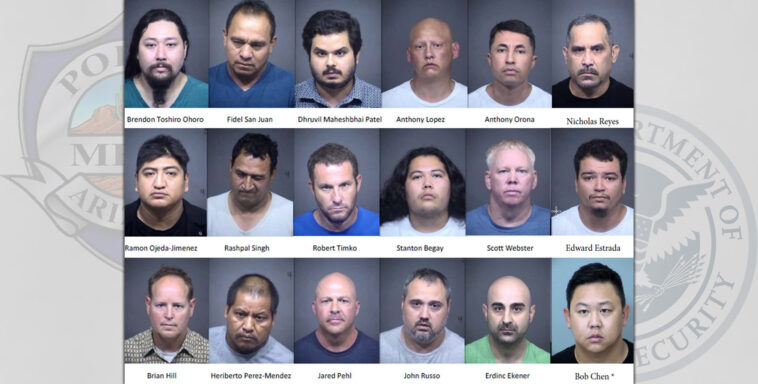
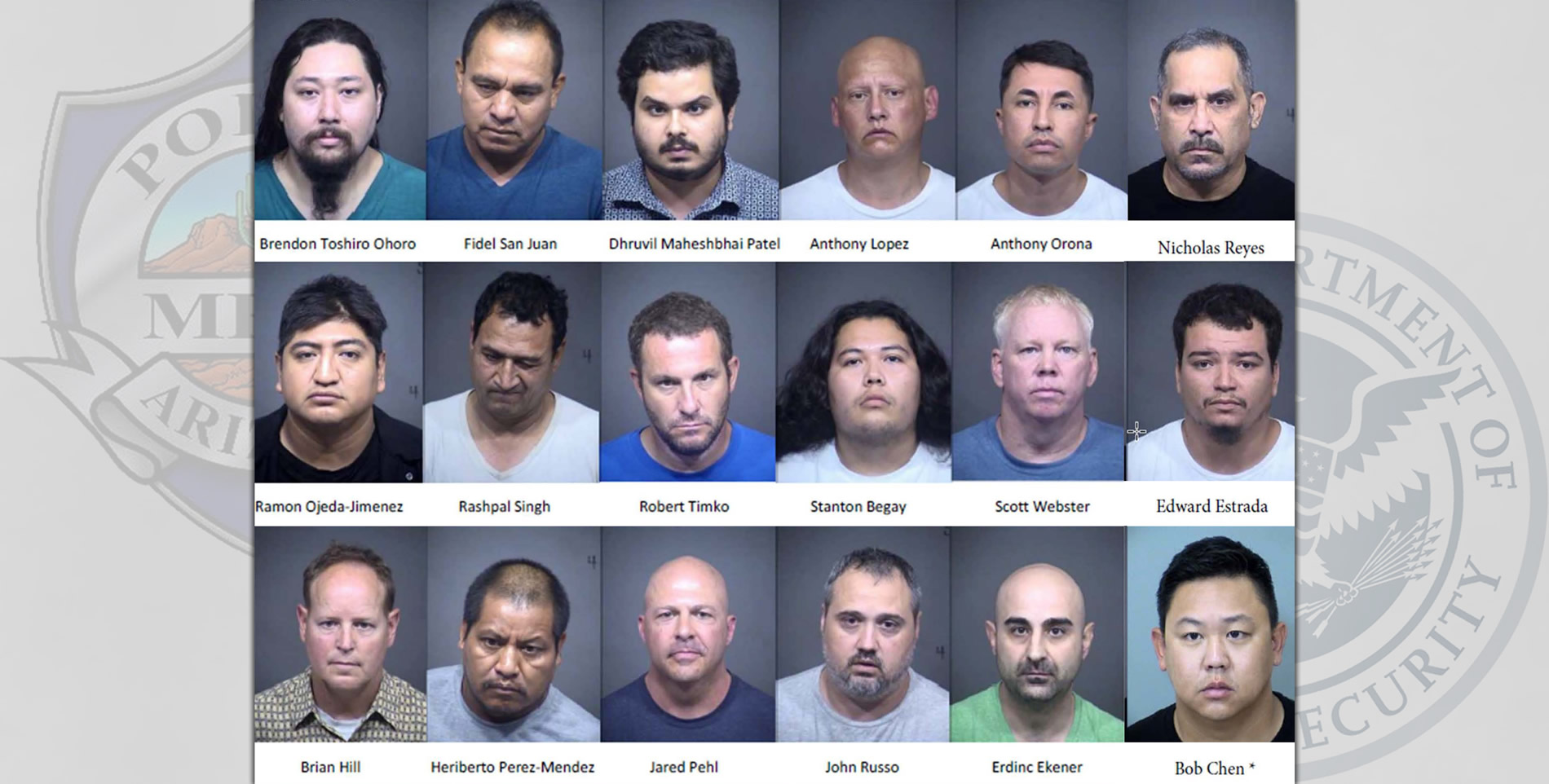
The release of mugshots and public records after arrests adds another layer of complication to this issue. Concerns have been raised about the potentially long-lasting impact of these practices on individuals’ futures—even in cases where charges may not result in convictions. Critics argue that releasing mugshots and publicly labeling individuals with misdemeanor charges can affect a person’s ability to reintegrate into society and restore their lives.
While Rebecca Mitchell emphasized that each case is thoroughly reviewed and that law enforcement agencies handle mugshot releases responsibly, the practice remains contentious. The debate over privacy and rehabilitation versus public disclosure is full of problems. Advocates suggest that law enforcement agencies explore alternative measures that focus on diversion programs, rehabilitation, and restitution rather than a blanket policy of public shaming.
Some of the key recommendations from legal advocates include:
- Establishing clear protocols that distinguish between active trafficking perpetrators and victims who require assistance.
- Implementing diversion programs that offer alternatives to arrest, particularly for those whose involvement in prostitution may stem from coercion or a lack of viable options.
- Limiting the public release of mugshots by adopting policies that balance transparency with the protection of individual rights.
- Ensuring that any legal proceedings factor in mitigating circumstances, such as the existence of coercion, intimidation, or abuse.
These proposals are designed to protect the rights of those caught in the crossfire of anti-trafficking operations while still aiming to dismantle criminal networks. It is essential for policy makers and law enforcement leaders to collaborate with community advocates and legal experts to refine current approaches and tailor them to the unique needs of each case.
Community Perspectives: Voices from the Ground
An often-overlooked element in the sweeping debate over prostitution law enforcement is the perspective of local residents. Community members living along 27th Avenue—the focal point of Operation New Beginnings—have expressed mixed feelings about the operations.
Some residents argue that a tough stance on prostitution is necessary to mitigate the pervasive issues of drugs and violence that often accompany human trafficking. They believe that arrests signal a commitment to community safety and deter criminal activity in the longer term.
Others, however, worry that such operations, while well-intentioned, can ultimately marginalize vulnerable populations. They contend that although the goal might be to protect the community, the tactics used can inadvertently push individuals into even more precarious conditions. For many, the arrest process is an overwhelming experience that carries lasting social and professional consequences.
This split in public opinion highlights the nerve-racking task that law enforcement faces: when trying to enforce the law strictly, they might inadvertently deepen the challenges for those already fighting to survive in a system stacked against them. Without sufficient social supports, who will help these individuals find their way out of the cycle of exploitation?
Community advocacy groups have been vocal in urging law enforcement to strike a more delicate balance. They emphasize the need for approaches that provide direct assistance—such as safe housing, counseling, and job training—to those who have been pushed into the margins by human trafficking networks. These groups argue that such measures are not only humane but also critical for the long-term success of any law enforcement strategy.
Legal and Ethical Dilemmas in Enforcement Tactics
The enforcement tactics under scrutiny bring up tricky parts of legal ethics and justice. One of the chief dilemmas involves how to deal with individuals caught under circumstances that mirror both criminal involvement and personal victimization. When someone is compelled by force, threats, or economic desperation, is an arrest an appropriate remedy, or does it simply compound the individual’s difficulties?
Many legal experts point out that the real targets of trafficking operations should be the orchestrators and the financial beneficiaries of such networks. By focusing primarily on prostitution arrests—without adequately addressing trafficking syndicates—the operations might miss the opportunity to dismantle the true infrastructure behind these crimes.
It is critical, therefore, to distinguish between the nitty-gritty details of how law enforcement pursues these cases. For example, finer elements such as the conditions under which arrests are made, the legal support offered to those charged, and the subsequent processing of cases in the judicial system require thorough examination.
A brief table outlining some key distinctions might help clarify the issue:
| Aspect | Standard Arrest Policy | Enhanced Victim-Centric Approach |
|---|---|---|
| Focus | Immediate arrests for misdemeanor prostitution | Identification of coercion and trafficking networks |
| Processing | Routine criminal case reviews and mugshot releases | Case-by-case evaluations focusing on rehabilitation |
| Outcome | High arrest numbers; potential risks for stigmatization | Balanced enforcement with victim support and reduced recidivism |
Such distinctions underscore the challenges at hand. While it may be tempting to declare one approach superior to the other, the reality is laden with complicated pieces that require a flexible and responsive legal system.
Addressing the Small Distinctions: How to Improve Current Strategies
Given this multifaceted dilemma, the pressing question becomes: how can law enforcement strike a balance between upholding the law and protecting the rights of those who may be forced into illegal activities? Several suggestions have emerged from both legal experts and community advocates:
- Enhanced Training: Police officers should receive specialized training to better identify signs of coercion and to distinguish between willing criminal actors and trafficked victims. This training must address the subtle parts of human trafficking dynamics and equip officers with the skills needed to make informed decisions in complex situations.
- Multi-Agency Collaboration: Improved communication between law enforcement, social services, and legal aid organizations will help ensure that arrested individuals receive the assistance they need. By working together, agencies can figure a path that combines legal enforcement with community-based support systems.
- Revised Arrest Protocols: Policymakers should consider revising arrest protocols to incorporate more discretionary measures, allowing officers to exercise judgment based on the specific circumstances of each case. Detailed reviews and follow-ups in each instance could help mitigate the risk of punishing those already caught in a vicious cycle.
- Community Outreach Programs: Establishing outreach initiatives can help rebuild trust in communities. These programs might include legal clinics, counseling, and job training for individuals seeking to extricate themselves from exploitative circumstances. Such steps can help ensure that public safety measures do not come at the cost of human dignity or future opportunities.
Implementing these strategies could lead to a layered approach where enforcement is paired with genuine care for those entangled in the system. Such collaboration is super important if the community is to recover both trust and a sense of security while ensuring that the rule of law remains intact.
Weighing the Community Impact: Short-Term Gains Versus Long-Term Solutions
While the immediate outcome of arrest operations is clear—statistics show a significant number of arrests—the long-term effects remain less certain. In communities where immediate enforcement actions are prioritized, there is often a risk that the underlying societal issues driving trafficking and prostitution are left unaddressed.
Consider the following aspects when evaluating the community impact:
- Short-Term Public Safety: A surge in arrests can provide a quick sense of improved community safety. Residents may feel that an immediate threat has been neutralized, and law enforcement appears responsive to the crisis at hand.
- Long-Term Rehabilitation: Without a robust framework for rehabilitation and prevention, those arrested may continue to struggle long after their interaction with the legal system. This, in turn, can lead to a cycle of reoffending and sustained social problems.
- Stigma and Social Exclusion: Public exposure through mugshots and criminal records can hamper individuals’ efforts to rebuild their lives. A community network that facilitates reintegration—rather than isolation—may ultimately contribute more effectively to reducing trafficking and related crimes.
When community members voice their concerns, they are often asking for more than just arrests; they want meaningful intervention. A solution that addresses the off-putting sides of the justice system—such as public shaming and a lack of support for rehabilitation—can help communities both in the short and long term. This layered approach requires policymakers to figure a path that not only protects communities but also fairly treats those who have been forced into troubled circumstances.
Balancing Legal Responsibility and Human Compassion
The challenge of determining whether to treat an individual as a criminal or a victim involves a series of twists and turns. Each case has its own set of confusing bits—a complicated mix of legal responsibility, coercion, economic desperation, and personal histories—that must be parsed carefully.
Law enforcement officials insist that every case is scrutinized individually, ensuring that each arrested person’s situation is reviewed in detail. However, the reliance on misdemeanor charges and public records sometimes captures cases where the line between victim and suspect is blurred. Whether the legal system can rightly distinguish between a willful criminal and a coerced individual remains loaded with issues and ripe for further legal debate.
At its core, the matter boils down to the following question: Can the system effectively manage the tough parts of enforcing criminal laws without causing harm to those who need help the most? The answer may lie not just in the immediate operational decisions, but in the overall structure of criminal justice as applied to human trafficking and prostitution.
Looking Ahead: Legal Reform and Policy Adjustments
Given the controversies surrounding these recent operations, it is clear that adjustments in policy are necessary. Lawmakers, community advocates, and law enforcement officials should work together on reforms that focus on both immediate safety and long-term healing for affected individuals.
Potential reforms include:
- Legislative Review: Crafting laws that differentiate clearly between trafficking perpetrators and coerced individuals can provide better guidelines for arrests and prosecution. This process involves a thorough review of existing statutes to identify and correct any gaps in victim protection.
- Policy Amendments: Law enforcement agencies should consider adjusting policies on public disclosure. For example, revising protocols related to mugshot releases and recordkeeping could minimize the lasting negative impacts on those coerced into illegal activities.
- Judicial Training: Judges and prosecutors can benefit from additional training on the hidden complexities of human trafficking cases. Understanding the little details and subtle parts that differentiate coercion from criminality might lead to fairer outcomes in the courtroom.
- Interagency Task Forces: Forming task forces that combine the skills and insights of law enforcement, legal professionals, social workers, and community advocates can help foster a more holistic response to trafficking. These task forces can work through the confusing bits of the law while offering support systems designed to rehabilitate rather than simply punish.
Policies and reforms of this nature may seem as if they are laden with problems or off-putting challenges, but they are essential for creating a system that is both just and effective. By continuously reviewing and adjusting enforcement policies to better capture the fine shades between criminal behavior and victimization, communities can work toward a more humane and efficient legal system.
Community Collaboration and the Role of Public Opinion
Public opinion plays an influential role in shaping legal practice. When communities speak up about what they perceive as excessive or misdirected enforcement practices, they force policymakers and law enforcement to reconsider existing protocols. Local voices in Phoenix and similar urban areas are essential in pushing for reforms that account for the diverse perspectives of community members.
Feedback from residents, advocacy groups, and victims themselves often points to the need for better support systems and a more nuanced approach. Some of the small distinctions that have emerged in community discussions include:
- More transparent communication between law enforcement agencies and community leaders about the objectives and potential outcomes of sweeps.
- Increased investment in local social services that can address the root causes of human trafficking, including poverty, housing instability, and lack of education or job opportunities.
- Programs that facilitate restorative justice, ensuring that those who have been arrested can access rehabilitation resources and have a path to rebuild their lives.
- The establishment of community advisory boards that can review and provide input on policing practices, ensuring that local concerns are adequately addressed in policy formulations.
These collaborative efforts are not only essential for fostering trust but also act as a counterbalance to potentially heavy-handed enforcement tactics. The tougher parts of law enforcement should be approached with a simultaneous commitment to legal rigor and human compassion, ensuring that the process is forgiving where needed and strict where appropriate.
The Role of Media in Shaping the Debate
Media outlets have a powerful impact on public perceptions of legal operations such as these. Detailed coverage that includes both the perspective of law enforcement and the voices of victims and advocates can help create a more balanced discourse. When reporting on these matters, attention to the small distinctions and slight differences in perspective is super important for painting a full picture of the situation.
For instance, while headlines may focus on the number of arrests made, it is equally crucial to discuss the background of community members who have been inadvertently caught up in these actions. This balanced reporting is key to ensuring that the public remains informed and that the conversation around such issues is one of healing and progress rather than one-dimensional judgment.
Journalists should also be mindful when deciding how to display sensitive information. The decision to post mugshots online or list arrest details is not without consequences. A media strategy that respects the dignity of those involved can help mitigate the risk of public shaming and ensure that coverage serves as a catalyst for necessary reforms rather than a source of ongoing stigma.
The Broader Implications for National Policy
While the recent sweeps in Phoenix’s Blade area may seem like a localized issue, they have broader implications for national policy on prostitution and human trafficking. Across the country, law enforcement agencies wrestle with balancing immediate public safety needs with the requirement to protect vulnerable populations. Legislative bodies are increasingly aware that policies must be adaptable enough to handle the delicate task of managing these challenging cases.
Key policy considerations include:
- Adopting flexible legislative frameworks that allow for discretionary measures in cases involving vulnerable individuals.
- Encouraging interagency cooperation across municipal, county, and state levels to ensure consistency in enforcement while tailoring local solutions.
- Investing in community-based programs that address economic, housing, and educational deficits which often contribute to an individual’s vulnerability.
- Improving data collection and analysis to better understand the long-term effects of enforcement tactics, thus guiding future policy changes.
Ultimately, these national considerations highlight the fact that changes made at a local level, such as those seen in Phoenix, can serve as a model for other communities struggling with similar issues. The success of these programs will depend on continuous evaluation, community feedback, and the willingness of all stakeholders to work through the twists and turns presented by this issue.
Conclusion: Toward a More Equitable and Effective Justice System
The recent sweeps in Phoenix’s Blade neighborhood underscore the inherent challenges of addressing human trafficking and prostitution in a way that is both legally sound and socially just. While law enforcement has a key role to play in disrupting criminal networks, it is equally important to ensure that vulnerable individuals receive the support they need. The balance between enforcement and compassion is delicate, and it requires ongoing dialogue, policy reform, and community collaboration.
As we take a closer look at these operations, it becomes clear that a reexamination of arrest policies, media practices, and community outreach is necessary. Robust reforms, enhanced training, and greater interagency cooperation are steps that can lead to better outcomes for all parties involved—ensuring that those coerced into prostitution are not further victimized by the very system meant to help them.
Ultimately, the experience in Phoenix can serve as a call to action for other jurisdictions across the country. By understanding both the immediate and long-term impacts—and by recognizing the subtle parts that differentiate coercion from criminality—a more equitable and effective justice system can be envisioned. One that is not only effective at stopping trafficking operations but also dedicated to rehabilitating, supporting, and ultimately reintegrating those who have been caught in its net.
This is the challenge for our modern legal system: to enforce the law with diligence while safeguarding the rights and dignity of every individual, recognizing that justice must be multi-faceted and compassionate. Only then can the promise of “Operation New Beginnings” truly be realized—an operation that doesn’t just stop crime but builds a future where every community member has the opportunity to reclaim their life.
In conclusion, while the recent operations may have brought temporary public safety improvements, long-term success will require a shift toward policies that combine strict legal enforcement with deep-rooted compassion. The path forward is full of tricky parts and confusing bits, yet it remains one of the most important debates in our criminal justice system today. As policymakers, law enforcement, and community members take the wheel, let us hope that future legal practices will better reflect both the demands of law and the needs of society.
Originally Post From https://www.azfamily.com/2025/11/12/police-advocates-question-sweeps-targeting-prostitution-phoenixs-blade/
Read more about this topic at
Questionable & Controversial Police Prostitution Sting Tactics
Police chief claims he helps ‘get girls off the street’ when …