Assessing the High-Speed Chase Incident in Pinal County: A Closer Look at Legal and Safety Issues
The recent incident in Pinal County, where a deputy discharged his weapon during a high-speed pursuit, offers an opportunity to consider the legal ramifications and public safety concerns that often go hand-in-hand in such situations. With the events unfolding late Thursday night, this case not only raises legal questions but also shines a light on the challenging parts of modern law enforcement under intense circumstances.
Examining the Incident: What Really Happened?
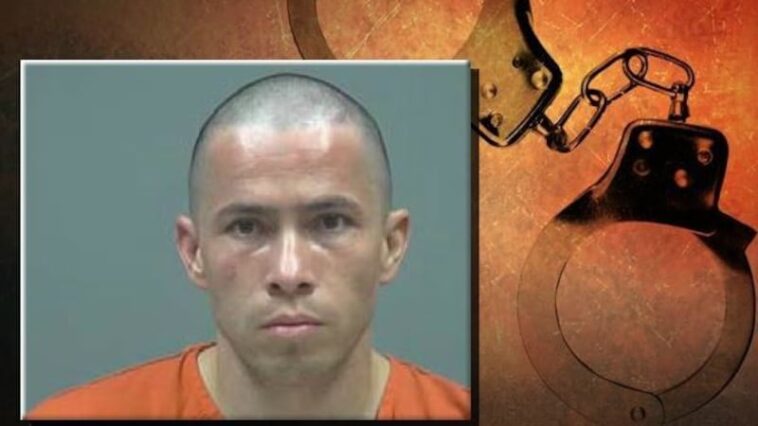
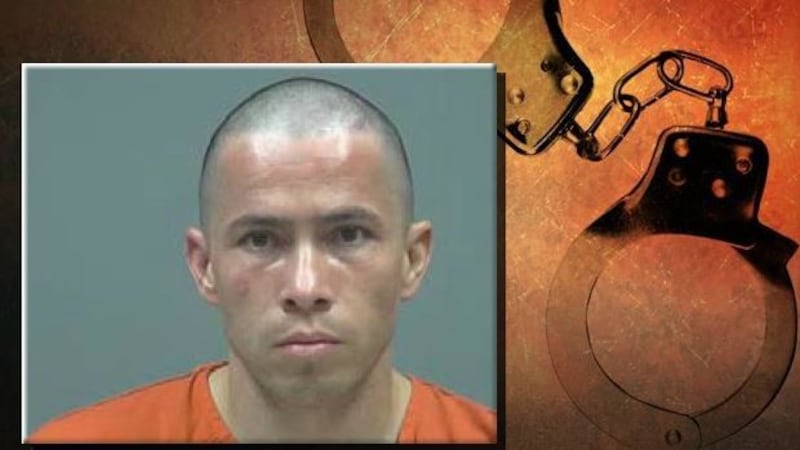
According to multiple reputable sources, the incident began when the Arizona Department of Public Safety attempted to stop a truck on Pinal Avenue near Rodeo Road for speeding and running a red light. The driver, later identified as 33-year-old Kenneth Etter, eluded capture and continued driving recklessly. The chase escalated when Etter’s vehicle was perceived as a direct threat to law enforcement, ultimately forcing a deputy to take the step of discharging a firearm in an effort to subdue him.
It must be acknowledged that the decision to use force in such a tense situation carries both legal and ethical burdens. The deputy’s choice to shoot Etter came after a series of critical moments during which every action could have potentially influenced the outcome. Following the encounter, Etter was reportedly injured and hospitalized, and once medically cleared, he was booked into Pinal County jail, with reports emphasizing that the officers did not suffer any serious injuries.
Legal Implications Amid Confusing Bits of High-Speed Pursuits
When evaluating this case, it is necessary to get into the legal tangles that often accompany high-speed pursuits. Law enforcement officers have the daunting task of making split-second decisions in situations that are not only nerve-racking but also loaded with problems. In this instance, determining whether the use of lethal force was legally justified can come down to several key aspects:
- Self-Defense and Officer Safety: Officers are allowed to use force if their lives or those of others are in immediate danger. In cases where a driver’s vehicle is used as a weapon, the threat can be assessed quickly as escalated and dangerous.
- Proportionality of Force: Legal standards dictate that any force applied must be proportional to the perceived threat. The decision to discharge a firearm is burdened with the responsibility of ensuring that there was a clear and present danger.
- Chain of Command and Accountability: Incidents like these often lead to internal reviews and sometimes even external oversight. The chain of command must ensure that every little twist in the event is thoroughly documented and evaluated.
The legal teams on both sides of such cases are often left to sort out whether the fine points of the law were correctly applied. This includes analyzing whether the deputy followed established protocols and whether the suspect’s actions genuinely constituted a direct threat. With a rising number of similar incidents reported in Arizona, the legal community is forced to dive in and examine what these events mean for the treatment of high-speed chases across the state.
Understanding the Precedent: Trends in Law Enforcement Shootings
In any area where law enforcement encounters are on edge, it can be difficult to ignore the patterns that begin to emerge. This recent incident in Pinal County represents just one case amidst a larger series of deputy-related shootings, and such trends are both alarming and informative from a legal perspective.
A brief overview of the situation reveals that this case marks the 30th shooting outside of Maricopa County and the 55th overall in Arizona this year. Such numbers are not just statistics—they reflect the reality that high-speed chases and sudden escalations are not isolated events, but rather part of a broader narrative. As legal experts and community advocates work together, the ongoing challenge is to figure a path that balances public safety with protecting the rights of individuals, even amidst those nerve-wracking moments on the road.
Key Considerations for Legal Analysis in High-Speed Pursuit Cases
| Aspect | Critical Questions |
|---|---|
| Evidence Collection | Was the evidence from dash cams, body cameras, and witness accounts collected thoroughly? |
| Use of Force | Is the application of force proportional to the described threat during the pursuit? |
| Policy Adherence | Were standard operating procedures and legal guidelines followed by the responding officers? |
| Aftermath and Accountability | What internal and external investigations are initiated following the incident? |
Each line item in this table represents a point of investigation that legal experts must often sort out when examining the detailed pieces of a high-speed chase. The struggle to determine the correct application of justice in these scenarios is not merely a legal exercise, but also a journey into the mixed layers of public trust and accountability.
Analyzing Officer Conduct: Balancing Safety and Accountability
The deputy’s violent response is central to the discourse surrounding both the incident and its aftermath. On one hand, law enforcement officers must be capable of protecting both themselves and the communities they serve. On the other hand, unwarranted or excessive force can escalate situations unnecessarily, contributing to long-term public distrust.
When standard protocols are followed, and when the officer’s actions are deemed justified under the law, such force may appear as an essential, if intimidating, aspect of managing challenging situations. Yet, these critical moments highlight that the safety of the public and the officer rests on a very thin line—often one that is navigated amidst confusing bits of chaos and high stress.
In this particular case, the officer’s actions appear to have been carried out under the assumption of imminent danger. Legal opinions on similar incidents generally highlight a need for clear guidelines that empower law enforcement while also maintaining strong safeguards against potential abuse of power. It is essential that police accountability is not lost in the heat of a dangerous chase, and that there is transparency about how such decisions are made and reviewed.
Officer Training and Protocols: Getting Into the Details
One of the main concerns that arise from high-speed chases and subsequent shootings is whether officers are fully prepared to handle the pressure cooker situations they encounter. As communities continue to scrutinize the departments involved, several key areas emerge:
- Decision-Making Under Pressure: Deputies regularly face nerve-racking decisions in moments that may only span seconds. Intensive training programs help officers learn how to react when every second counts.
- Scenario-Based Simulations: Engaging in realistic training drills can help law enforcement practice managing the unpredictable twists and turns that occur during pursuits.
- Communication and Coordination: Effective teamwork and clear communication protocols add layers of reassurance that jeopardizing public safety is minimized even in hectic moments.
Reviews of officer training programs indicate that while many departments incorporate these elements, there is always room to fine-tune the policies to prevent potentially off-putting outcomes. By working through the simulated scenarios, officers can get a clearer picture of the challenges ahead and learn how to navigate delicate situations in which the line between necessary force and excessive measures is blurred.
The Broader Legal Context: Public Safety versus Civil Liberties
A recent upsurge in incidents around the state has reignited debates concerning public safety, individual rights, and the role of law enforcement in modern society. On one side of the debate is the view that robust action, even if it involves the use of a weapon, is an essential safeguard for society. On the other is the concern that such measures, if not subject to thorough review, can lead to abuses that undermine civil liberties.
It is important to consider several factors when discussing high-speed pursuits and the resulting actions:
- Risk to Bystanders: High-speed chases inherently put not only the subjects involved at risk but also innocent bystanders who might be caught in the crossfire of a tense altercation.
- Legal Oversight and Public Trust: Community confidence in law enforcement can be fragile, and each use-of-force incident must be accompanied by full transparency and prompt review.
- Impact of Media Coverage: The portrayal of such incidents in the media can shape public opinion and influence future policy, underscoring the importance of factual and unbiased reporting.
From a legal viewpoint, finding a balance between ensuring public safety and safeguarding individual rights is a packed challenge. The tricky parts involve managing the immediate needs of a dangerous situation while also considering the long-term implications for justice and the rule of law. As legal experts continue to figure out a path that respects both requirements, it is crucial for community leaders and lawmakers to get into these debates with transparency and openness.
Comparing Legal Standards Across Jurisdictions
One interesting angle worth exploring is how the local legal standards in Arizona compare with those in other parts of the nation. While certain core principles remain consistent across the United States—such as the right to self-protection for officers and the requirement of due process for suspects—the application of these standards can differ based on regional policies and historical context.
Some key distinctions include:
- Use-of-Force Continuum: Different jurisdictions may have varied protocols regarding when it is acceptable to dispense lethal force. Understanding these differences offers insight into how local policies can either mitigate or exacerbate high-stress encounters.
- Judicial Oversight: The application of legal oversight can vary, with some areas employing independent review boards that work to maintain objectivity while others rely on internal reviews that may be perceived as less transparent.
- Community Engagement: Jurisdictions that actively involve community stakeholders in discussions about police practices often create policies that are more reflective of local values, thus reducing tension.
This comparative look highlights that while the Pinal County incident is situated within a specific legal and cultural context, its implications resonate far beyond Arizona’s borders. It serves as a reminder that law enforcement challenges are universal, and the solutions often lie in an integrated approach that combines legal prudence with community engagement.
The Human Element: Both Officers and Suspects Under Pressure
One cannot ignore the powerful human element present in such situations. Both officers and suspects are forced to confront life-or-death moments in conditions that are both nerve-racking and confusing. It is within these moments that the extreme pressures of the job are most evident, often leaving lasting impressions on everyone involved.
For the officer involved, the decision to discharge a weapon in the midst of a high-speed chase is typically made under stress that few civilians can truly appreciate. The factors include:
- Immediate threat assessment based on rapidly changing situations
- Previous training and experience in life-threatening scenarios
- Personal accountability and commitment to public safety
- The inherent risk tied to being in a communal service profession
Likewise, for the suspect, the decision to engage in behavior like vehicle assault is often influenced by a combination of desperation, defiance, and a possible inability to appreciate the small distinctions between a momentary lapse in judgment and a dangerous escalation. Legal experts caution that while the suspect’s actions must be held accountable, it is also essential to figure a path toward understanding the underlying issues that lead to such dangerous outcomes.
Impact on Families and Community Cohesion
The ripple effects of high-speed pursuits and the subsequent use of lethal force extend beyond those immediately involved. Families of both the law enforcement officers and the suspects can suffer dramatically from the dramatic outcomes of such events. When a community is bombarded with headlines reporting officer-involved shootings, the psychological and social impact is deep and multifaceted.
A few outcomes that commonly follow such incidents include:
- Strained Community Relationships: Increased tensions between residents and law enforcement can persist long after the incident is resolved.
- Emotional Toll: The stress experienced by officers, suspects, and their families can lead to enduring mental health challenges.
- Policy Reactions: As communities digest the event, pressure often mounts for changes in policy and oversight, aiming to prevent further tragedies.
Thus, the legal debate surrounding citizen safety versus officer protection is not just an abstract discussion; it comes down to real-life consequences that affect community cohesion and the everyday lives of residents. Taking a closer look at these outcomes allows policymakers to spur reforms that are both compassionate and effective.
Looking Forward: Policy Reforms and Community Dialogues
The case in Pinal County acts as a significant prompt for legal reform and ongoing community dialogues about law enforcement practices. With incidents like these appearing more frequently, lawmakers, community leaders, and law enforcement officials have an essential role in taking the wheel and shaping better outcomes for all parties involved.
Future policy reforms might include:
- Enhanced Training Programs: Focusing on stress management and de-escalation techniques can help law enforcement deal with nerve-racking scenarios more effectively.
- Improved Communication Protocols: Clearer communication among responding units may assist in preventing misunderstandings that escalate situations quickly.
- Stricter Oversight Mechanisms: Independent review boards and impartial investigations can foster greater community trust and provide transparency in cases of excessive force.
- Community-Based Initiatives: Encouraging dialogues between residents and law enforcement may help bridge gaps in understanding, reducing both tension and legal conflict.
Each of these reforms represents a super important step toward resolving the current dilemmas that are full of problems. As we work through these proposals, the aim is not merely to react to isolated incidents but to make the whole system more resilient, transparent, and fair.
Opportunities for Constructive Community Engagement
Addressing the challenges that arise from high-speed pursuits and violent confrontations also means building bridges between the community and law enforcement agencies. Constructive engagement is key to ensuring that both parties can work together and understand the conflicting pressures involved in protecting public safety.
Community forums, town hall meetings, and regular open dialogues can offer opportunities to:
- Share Experiences: Officers, community members, and legal experts can discuss the twisted issues and small distinctions that make each incident unique.
- Educate on Legal Rights and Responsibilities: Such discussions provide clarity on the legal frameworks that guide police actions and individual rights, reassuring community members that oversight is in place.
- Build Mutual Respect: Open, transparent communication helps dismantle preconceptions and fosters a sense of collective responsibility.
Engaging with the community in this way is a proactive step toward reducing the likelihood of situations reaching a breaking point. By focusing on shared strategies and the hidden complexities that bind all parties, stakeholders can work to create a more empathetic and effective safety protocol for the future.
Conclusion: Charting a Course Through Tangled Issues and Intimidating Realities
The shooting incident involving a deputy and suspect during a high-speed chase in Pinal County brings into sharp focus a multitude of legal, social, and ethical questions. As we figure a path through this challenging narrative, it is essential to weigh the needs for public safety against the rights of individuals—even in moments that are inherently intimidating and fraught with complications.
Through objective legal analysis and careful discussion of officer training, policy reforms, and community engagement, we can hope to untangle the mixed layers of this phenomenon. The case acts as both a warning and a call to action: communities and law enforcement alike must stay alert, ensuring that every decision made under duress is subject to proper scrutiny and transparency.
In the end, navigating these nerve-racking scenarios is more than just reacting to dangerous moments. It involves a deep dive into the policies, practices, and personal commitments that underpin the legal system. As we collectively address the tricky parts of law enforcement and explore reforms designed to foster safety and accountability, the goal remains clear—ensuring that no further tragedies ensue, and that every twist and turn on the road to justice is taken with caution, clarity, and compassion.
Moving forward, it is super important for policymakers, legal experts, law enforcement officials, and community members to continue working together. The ongoing dialogue must focus on implementing reforms, enhancing training, and establishing a transparent system that not only reacts effectively in emergencies but also fosters trust between all parties involved. Only through such comprehensive efforts can we hope to create a safer environment where quick decisions made under pressure do not come with an overwhelming cost to our society’s moral and legal foundations.
This incident in Pinal County, much like many others across the state and the nation, serves as a critical reminder that while the legal system provides a framework for action, it is the human element—the stress, the responsibility, and the perpetual need for justice—that truly defines the ethical boundaries of public service. In that light, may we strive to transform these tense moments into constructive opportunities that enhance both our legal structures and our commitment to community well-being.
Originally Post From https://hoodline.com/2025/09/pinal-county-deputy-shoots-suspect-after-vehicle-assault-attempt-during-high-speed-chase/
Read more about this topic at
PIT maneuvers can’t stop wild pursuit suspect – Caught on …
New video shows Grove City police chase that ended in fatal …