Arizona’s New Task Force on Child Protection: A Necessary Step?
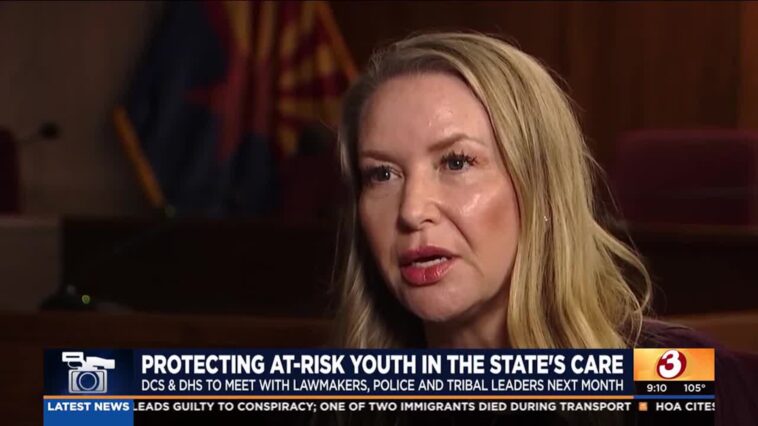
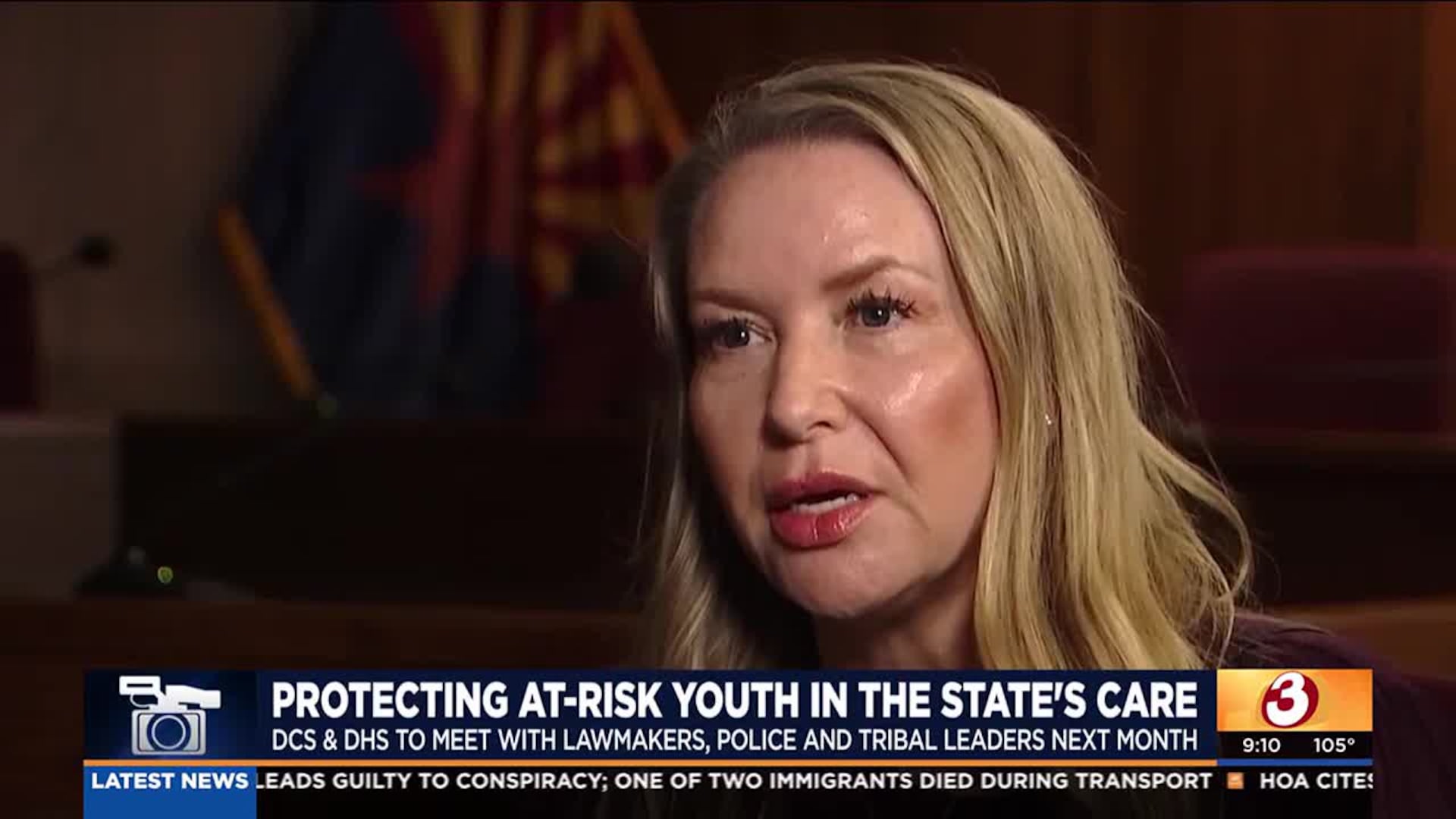
The state of Arizona is witnessing a pivotal moment in its approach to child safety and welfare. A new task force, announced by State Sen. Carine Werner, is poised to tackle the confusing bits of the current child abuse reporting laws. This initiative comes in the aftermath of heart-wrenching tragedies, including the death of 10-year-old Rebekah Baptiste, which has shined a harsh light on the problematic pieces of the existing system.
Sen. Werner, a Republican from Scottsdale, has proposed forming a group that brings together experts from multiple fields: child welfare professionals, law enforcement officials, prosecutors, and fellow lawmakers. Their mission is to reexamine Arizona’s current processes for reporting child abuse, ensuring that the state’s child safety apparatus is not lost in bureaucracy but is instead armed with clear, enforceable actions to protect its youngest residents.
The Urgent Need for Reform Following Tragic Losses
In the wake of high-profile cases that revealed tangled issues in how child abuse is reported and handled, Arizona’s legislative and administrative bodies are under increasing pressure to do better. The tragic deaths of children, such as Rebekah Baptiste, have brought to surface several misguided twists and turns that have repeatedly jeopardized the wellbeing of vulnerable kids.
There are a number of alarming concerns that underline the urgency of these reforms:
- Communication failures among the responsible agencies.
- Out-of-date reporting protocols that allow loopholes to persist.
- Insufficient oversight, which causes poorly enforced laws to fail protecting children in need.
These issues, among other problematic pieces in the child protection system, spark the need for a comprehensive review and overhaul. Many voices, including those from the community and seasoned advocates, have criticized the current framework as “intimidating and nerve-racking” in its inability to ensure swift, coordinated actions when a child is in danger.
Examining the Child Abuse Reporting System: Tricky Parts and Tangled Issues
The task force is intended to shine a light on the hidden complexities of Arizona’s child abuse reporting system. There is a strong belief that by taking a closer look at the fine points of the current procedures, significant improvements can be made. Here are some major areas of concern where the system appears to falter:
Communication Gaps Among Agencies
One of the most pressing problems is that agencies such as the Department of Child Safety (DCS), Child Protective Services (CPS), and tribal organizations are reportedly not sharing crucial information with each other. According to Sen. Werner, this breakdown in communication hinders proper case management and compromises child safety.
In many instances, lives have been put at risk because the lack of a unified sharing system meant that red flags were raised—but not acted upon collectively. The absence of the required photo submissions for children in foster care further highlights these tangled issues, where 80% of kids reportedly do not have updated records. Such oversights are not just bureaucratic mistakes; they are life-threatening gaps in a system meant to protect the most vulnerable.
The Aftermath of Rebekah Baptiste’s Tragic Death
The death of 10-year-old Rebekah Baptiste is a particularly painful reminder of the failures in the current process. The task force is set to focus on reviewing the steps leading up to that tragedy, as well as other similar child deaths, to identify where things went awry. The investigation into her case has exposed several problematic pieces of the system. If reporting laws and protocols inadvertently discourage swift action, a reform is not just desirable—it is imperative.
This case has brought the issue to a head, sparking questions about whether current laws inadvertently prioritize bureaucratic procedures over the immediate safety needs of a child. It also emphasizes the need for laws that are clear, effective, and prompt in preventing harm.
Task Force Composition: Mixing Expertise for Effective Reform
The formation and composition of the task force itself is a critical step in addressing these issues. Bringing together a diverse group of professionals allows for a broad perspective on the challenges and opportunities in revising the laws that protect children.
Here are the key groups represented within the task force:
- Child Welfare Professionals: They bring firsthand experience of the challenges faced on the ground when working with at-risk children.
- Law Enforcement Officials: Responsible for ensuring that calls for help transform into timely interventions, their input will help bridge operational gaps.
- Prosecutors: They offer critical viewpoints on the enforceability of laws and how breaches can be better managed judicially.
- Legislators: With the power to enact real change through legislation, their role ensures that recommendations are backed by the law.
This mix of perspectives is essential for addressing the nerve-racking and intimidating challenges presently plaguing the existing safe-guard procedures. Through cross-agency collaboration, the task force is expected to work away from the labyrinth of past missteps and to steer towards a more effective and humane framework for child protection.
Prioritizing Public Accountability and Transparency
Significantly, Sen. Werner’s initiative is not happening in isolation. In parallel, there is a planned legislative oversight committee scheduled to examine the performance of the Arizona Department of Child Safety (DCS). This committee’s meeting, set for September 3, promises to further press for accountability by exploring whether the department is following its own protocols.
Public input will be a critical measure of the committee’s success. Legislators like Sen. Mark Finchem are actively inviting affected families to provide personal testimony during hearings. Such testimonies are expected to offer invaluable insights into the small distinctions in law enforcement practices that can mean the difference between life and death. Ensuring that the voices of those directly impacted are heard reinforces that effective reforms need to be both reasonable and compassionate.
The emphasis on accountability is built upon a fundamental belief: laws that remain on paper and fail in practice are not just symbolic—they are harmful. By shining a spotlight on the confusing bits of the current procedures, Arizona hopes to restore faith in its institutions.
Community Reactions and Concerns Over The Proposed Reforms
The proposed initiative has drawn mixed responses from community advocates and child welfare activists. Anika Robinson, a longtime foster parent and a prominent child advocate, has expressed concerns that additional laws without proper enforcement mechanisms might simply add more bureaucratic layers without actual change.
Robinson points out that past legislative efforts, such as a bill passed the previous year aimed at tightening child-protection policies, have shown little resultant improvement. In her view, updates to legislation should be accompanied by carefully structured oversight. Without effective checks and balances, new rules risk becoming another set of intimidating and off-putting pieces of paper that stand as empty promises.
Her perspective highlights a critical shortfall in many legislative reforms: if the systems meant to enforce these laws are overburdened or paralyzed by internal issues, then even well-intentioned policies will falter. This sentiment appears to echo widely, emphasizing that the goal is not merely to create more documentation, but to ensure that every word of the new laws translates into protective action on the ground.
Challenges in Coordination: Breaking Down Departmental Silos
One of the most challenging aspects of the current problem is the way in which various agencies operate in silos. The lack of effective communication between tribal organizations, CPS, and DCS means that even when the call for help is clearly loud, the response can be painfully muted.
For example, there remains a persistent issue with missing data, such as the fact that many foster children lack updated photographs—a requirement that is expected within 90 days of their placement. This problem, as highlighted by advocates, is just one of the nerve-racking twists in the system that undermines the very notion of child safety.
In a nutshell, the challenge is not just rewriting the laws; it is also about restructuring the ways in which agencies share information and work together. Any strong reform must focus not only on tightening the legal framework but also on fostering smoother and more efficient cooperation among all stakeholders involved.
Key Action Points for the 2026 Legislative Session
With the task force eagerly set to start offering recommendations as early as the 2026 legislative session, several key action points are emerging as priorities:
| Action Area | Description | Expected Outcome |
|---|---|---|
| Reform of Reporting Protocols | Review and update the legal obligations for reporting suspected child abuse, ensuring that no ambiguous or distracting procedural steps impede immediate action. | Streamlined process that enables faster identification and intervention to protect children. |
| Inter-agency Communication | Develop systems and protocols for information sharing between DCS, CPS, tribal organizations, and law enforcement. | More coordinated responses and a unified approach to child protection cases. |
| Liaison with Federal Initiatives | Engage with national reform efforts to learn from other jurisdictions that have successfully corrected similar issues. | Incorporation of best practices and a more resilient child protection framework. |
| Enhanced Oversight Mechanisms | Institute checklists and regular reporting systems to ensure that newly passed laws are enforced effectively, including mandatory reporting of compliance metrics by agencies. | A transparent, accountable system that can quickly address failures before they result in further tragedy. |
These action items are designed not only to tackle the immediate, nerve-racking problems but also to establish a long-term strategy for child protection. In doing so, they lay the groundwork for a system where every agency communicates clearly, and every report is taken with the utmost urgency.
Building Trust with Affected Communities
At the heart of these discussions is a deeply personal issue: the welfare of children and the trust of communities that depend on a reliable safety net. Families, foster parents, and child advocates have repeatedly noted that any reform must be more than a superficial overhaul of protocols—it must rebuild and restore confidence among those who have suffered from past shortcomings.
For example, Sen. Mark Finchem’s call for families impacted by the family court system to share their experiences is a move toward making sure that the legislative process is informed by real-life stories. When voices from the community are heard, the resulting laws are more likely to reflect the necessary, super important changes needed to fix the root causes behind past tragedies.
This approach also presents an opportunity to address the hidden issues within existing systems. By incorporating personal testimonies and concrete examples of where the current structure has failed, lawmakers can better prioritize reforms that directly address the trickiest parts of the system.
Improving Inter-Agency Cooperation: Getting Around the Bureaucratic Maze
One of the most significant concerns expressed by advocates is the lack of connectivity between the various agencies involved in child protection. This breakdown is not just an administrative oversight—it is one that has real, sometimes heart-wrenching consequences for vulnerable children.
To get around these bureaucratic tangles, the new task force must develop strategies that allow different agencies to work together more closely. Some suggested measures include:
- Standardized Reporting Platforms: Establish digital systems that enable immediate and secure data transfer among child protective services, law enforcement, and tribal agencies.
- Regular Joint Training Sessions: Organize workshops where personnel from different agencies learn to recognize red flags in child abuse cases and understand each other’s roles.
- Cross-Agency Audits: Implement oversight measures to ensure that each agency is upholding their responsibilities and following standardized protocols.
These steps are meant to break down the walls of isolation and encourage a more collaborative approach. The outcome will be a networked system where every child’s report of abuse is addressed with collective expertise, and the responsibility does not fall on one agency alone.
Striking a Balance Between Legislation and Implementation
One of the most tricky parts in reforming any legal system is ensuring that new legislation does more than simply add to the pile of paperwork. It is one thing to pass a law, and quite another to see that it has a meaningful impact on the ground.
The criticism raised by advocates like Anika Robinson calls attention to the need for measures that go well beyond rewording existing statutes. While the law itself needs to be clear and robust, equally important is the creation of mechanisms that ensure the practical application of these laws. This dual focus means:
- Legislation should be accompanied by funding and resources dedicated to proper enforcement and oversight.
- There must be regular public reporting and accessible channels for community feedback.
- Transparent evaluation metrics should be in place to measure the impact of new reforms.
Without these components, even the most thoughtfully drafted law can end up as an empty promise. Arizona’s initiative to form a new task force thus represents not only an opportunity for legislative reform but also a chance to create a culture of accountability, trust, and real progress in child protection.
Engaging With National Reforms: Learning from Broader Initiatives
It is important for Arizona to look beyond its borders and learn from national reforms that have successfully addressed similar challenges. Other states, as well as federal initiatives, provide case studies that highlight both the successes and the pitfalls of reforming child protection systems.
Key takeaways from broader experiences include:
- Unified Reporting Databases: Ensuring that all relevant agencies use the same digital tools to share information has been shown to reduce the risk of oversight. This is a model that Arizona can adopt to avoid the nerve-racking issues currently observed with disjointed communication.
- Independent Oversight Bodies: States with independent watchdog groups in child protective services have seen improvements in both speed and accuracy of interventions. Such oversight can serve as a counterbalance to bureaucratic inertia.
- Community Partnerships: Including local community organizations in the reform process ensures that the policies enacted are grounded in real-world challenges. When communities are engaged, the likelihood of effective implementation rises significantly.
By taking a closer look at these national models, Arizona’s lawmakers can figure a path that integrates best practices with the specific needs of its communities. This holistic approach, combining new legislation with practical accountability measures, is what will ultimately transform the system into one that truly protects its children.
The Role of Public Testimony in Shaping Reforms
In a bid to create meaningful change, the Arizona State Senate is placing a strong emphasis on public testimony as an essential component of the legislative process. This public involvement is viewed as a counterbalance to the often intimidating layers of bureaucracy that can stifle reform.
During the final hearing of the Joint Legislative Ad Hoc Committee on Family Court Orders, scheduled for August 27, families and individuals who have faced the negative impacts of the current system are invited to share their personal experiences. In doing so, they help lawmakers understand:
- The practical challenges encountered when trying to access help from the family court system.
- How administrative hurdles and off-putting protocols can further endanger vulnerable populations.
- What refinements in the legislation could mitigate these real-world problems.
These personal accounts add critical color to the otherwise legalistic debate. They help demonstrate that beyond the legal jargon and the proposed reforms lie the lives of children and families who are directly affected by the system’s shortcomings. Listening to these voices is not just a procedural formality—it is a must-have ingredient in crafting legislation that genuinely addresses the trickiest parts of the system.
Challenges Ahead: Overcoming Bureaucratic Inertia and Hidden Complexities
The journey to overhauling Arizona’s child protection system is akin to working through a maze filled with intimidating bureaucratic twists and turns. Even with the formation of this new task force, significant challenges remain. Among these are the nerve-racking details that often go unseen by the public but that critically influence the effectiveness of the system.
Some of the key issues that need further attention include:
- Updating Protocols: Ensuring that reporting protocols evolve with changing societal and technological landscapes.
- Bridging Communication Gaps: Investing in systems that facilitate more efficient data sharing among numerous agencies in charge of child protection.
- Allocating Resources: Guaranteeing that the necessary resources are readily available to implement the changes recommended by the task force.
- Legal and Administrative Coordination: Creating a seamless interface between new legal mandates and their practical enforcement in field operations.
Overcoming these hurdles will require persistent effort, innovative solutions, and a shared commitment across all professional and community stakeholders. The review and proposed changes should serve as an opportunity not only to update the child abuse reporting laws but also to fundamentally reshape how the state approaches the welfare of its youngest residents.
The Promise of a Safer Future for Arizona’s Children
Despite the daunting and intimidating challenges that lie ahead, there is real hope that reform can lead to a significantly improved system for protecting children. The formation of the task force marks a super important, key moment in this legislative journey. There is a collective acknowledgement among lawmakers, advocates, and affected families that the rough, clumsy old ways must give way to a modern, effective, and transparent approach to child protection.
In the coming months and years, as recommendations are crafted and laws rewritten, Arizona has an opportunity to emerge as a leader in ensuring the cornerstone of any society—its children—are provided with the secure and nurturing environment they deserve. The intended changes are expected not merely as incremental updates, but as bold steps toward bridging the gaps that have long endangered the welfare of vulnerable minors.
Reflections on the Legislative Process and the Road Ahead
It is important to recognize that reforming deeply embedded systems is never straightforward. The path forward is loaded with problems, with each step unveiling additional confusing bits that need consideration. However, the fundamental aim remains clear: to create a system where reporting child abuse is a streamlined, coordinated, and immediately effective process.
Recent legislative hearings, public calls for accountability, and the formation of the task force are all parts of a broader narrative—a story of a state determined to learn from its past mistakes and to build a safer future for its children. As families, child advocates, and community members come together, they offer a powerful message: that no bureaucratic hurdle should ever stand in the way of protecting a child from harm.
In reflecting on this journey, it becomes evident that meaningful reform is as much about updating regulations as it is about reshaping the culture of child protection. Without unwavering commitment and public support, even the most well-crafted policies might fall short of their transformative potential.
Community Advocacy and Its Impact on Policy Making
Community advocacy stands as one of the central catalysts in driving legislative change. Across Arizona, voices of concerned parents, foster parents, and child welfare advocates have echoed the need for reforms that address the nitty-gritty of child abuse reporting. Their tireless efforts underscore a poignant truth: laws without faithful execution are merely words on paper.
For instance, advocates have drawn attention to a disturbing disparity. While the legislation requires the DCS to submit quarterly reports and ensure the proper documentation of children in foster care, the reality shows that many cases do not meet these criteria, leaving a dangerous gap in the overall safety net. This disconnect has fueled debates over accountability and has made it abundantly clear that a new strategy is necessary.
Community-driven reforms typically focus on three major points:
- Immediate Response Mechanisms: Ensuring that when a red flag is raised, local agencies can act instantly without being bogged down by excessive red tape.
- Transparency in Processes: Making sure that all actions taken by agencies are documented and available for public review, thereby reducing the chance of oversight failures.
- Continuous Community Engagement: Integrating the experiences and suggestions of affected families into the legislative process, which can lead to more finely tuned policies.
The collaboration between community advocates and legislators has the potential to transform these challenges into a robust, responsive system that prioritizes the immediate needs of children above procedural hurdles.
Looking Toward the Future: Strategic and Sustainable Reforms
Looking ahead, the challenge for Arizona’s policy makers is to institute changes that are both immediate and sustainable. The planned recommendations for the 2026 legislative session must be grounded in practical realities. This means crafting laws that can be implemented effectively in daily operations and doing so in a way that is mindful of budget constraints and the limited resources that agencies often face.
Some strategic areas to focus on include:
- Resource Allocation: Ensuring that child protection agencies have access to modern technology and training, enabling them to work more efficiently and share critical information without delay.
- Data-Driven Decision Making: Implementing robust data collection methods that help identify specific problem areas and track improvements over time.
- Sustainable Training Programs: Establishing ongoing training initiatives to keep all involved agencies updated on best practices, new protocols, and procedural changes.
- Policy Evaluation Frameworks: Creating mechanisms that regularly assess the effectiveness of new laws and make adjustments as needed.
These measures are not just administrative fixes—they represent a commitment to a long-lasting overhaul that can adapt to future challenges. By taking a close look at the small distinctions in how policies are implemented, Arizona can ultimately forge a path where child safety is not compromised by bureaucratic missteps.
Conclusion: A Collaborative Commitment to Child Safety
In conclusion, the formation of the new task force by Sen. Carine Werner is a decisive moment in Arizona’s ongoing effort to protect its children from abuse and neglect. While there are many tricky parts and tangled issues to work through, the commitment to reexamining and reforming the existing system provides a hopeful direction for the future.
This initiative, combined with the efforts of oversight committees and public testimony sessions, represents an invaluable step toward ensuring that every red flag raised in child protection is met with swift, coordinated, and effective action.
The road ahead may be full of problematic twists and intimidating bureaucratic hurdles, but the collaborative spirit of community advocates, legislators, and law enforcement provides a strong foundation upon which the future of Arizona’s child protection laws can be rebuilt. In striving to balance legislative nuance with practical enforcement, Arizona is taking the wheel in crafting a system where every child’s safety is the highest priority.
Ultimately, this reform is more than just a series of legal adjustments—it is a necessary reset, one that reconnects lawmakers with the real-life implications of their decisions. By learning from painful past errors and embracing a transparent, community-driven approach, Arizona can set a super important precedent for states nationwide. It is a bold, challenging, and essential journey—a journey that, if successful, will offer a safer, more secure future for the state’s most vulnerable citizens.
As this transformative process moves forward, it is critical for everyone involved—from the legislative chambers to the local neighborhoods—to remain engaged, vigilant, and committed to ensuring that no child in Arizona is ever left unprotected by a system riddled with tension and confusing bits. This is not just a legislative challenge; it is a moral imperative, demanding careful attention to every fine detail and every slight difference that can turn intention into action.
Originally Post From https://www.kold.com/2025/08/20/arizona-state-senator-launches-task-force-strengthen-child-safety-laws/
Read more about this topic at
Child Protection Systems Strengthening
NPCS | National Partnership for Child Safety | The National …