
Tragic Loss and Its Impact on Emergency Medical Policies in Phoenix
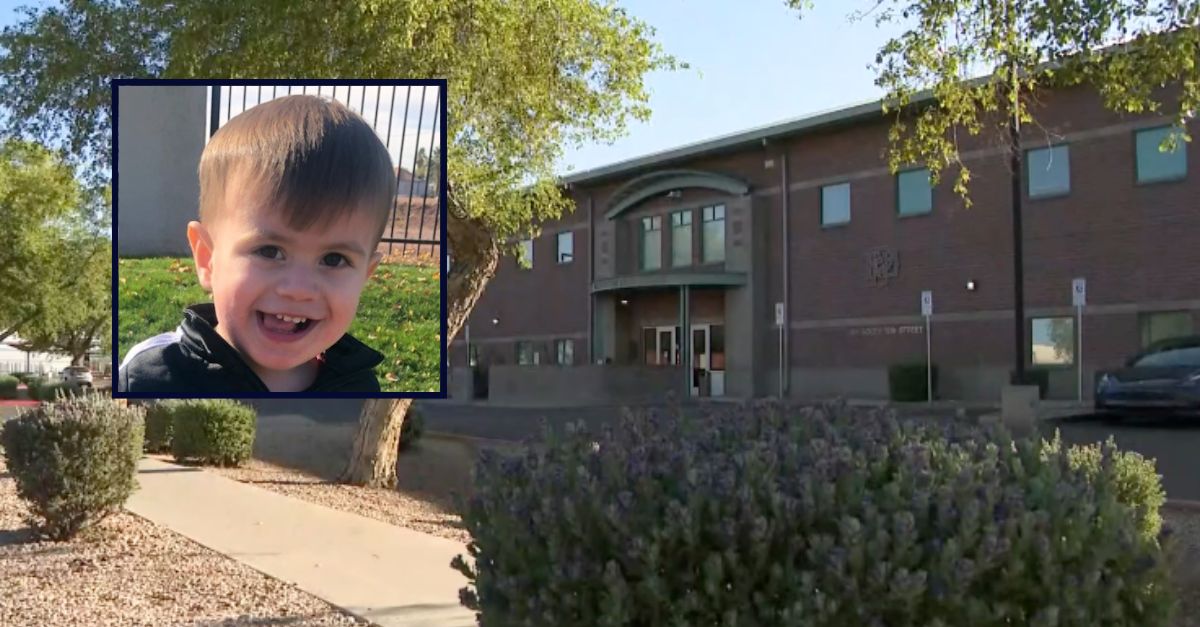
The recent wrongful death settlement in Phoenix has sparked a heated debate on the role of emergency responders and the protocols they follow during crises. In a case filled with tangled issues and confusing bits of decision-making, the city has agreed to a $2 million settlement with the family of a 2-year-old boy, Abraham James Clugston, who tragically died after it was advised that he did not need hospital treatment. The incident, which raised serious questions about the advice given by first responders, has since become a catalyst for changes in emergency medical directives in Arizona.
This editorial examines the events that led up to the settlement, discusses the legal and ethical implications, and reflects on how this tragedy has become a turning point in the reform of emergency medical response practices. We will take a closer look at the series of questionable actions taken during Abraham’s crisis and consider the broader social and legal contexts, all while relying on a balanced perspective.
Questionable Emergency Medical Advice and Its Consequences
On April 14, 2022, a heart-wrenching situation unfolded when Abraham, only two years old, experienced a severe seizure. His distressed mother, Adriana Moore, frantically called 911. Instead of receiving immediate hospital transport, first responders advised her to administer over-the-counter pain medication – Tylenol and Ibuprofen – while remaining at home. The decision was made in less than eight minutes during what can only be described as a nerve-racking emergency.
Within hours, the situation took a tragic turn when Abraham was found unresponsive, and he passed away shortly after. The family’s lawsuit contends that the emergency personnel failed at a critical moment when the child’s life was at stake. Attorney Breann Slack, representing the family, emphasized that it is not within the authority of first responders to make final judgments on whether hospitalization is necessary. Instead, the reliance on their immediate judgment left the family with devastating consequences.
This case is a prime example of how the little details and fine points of emergency protocol can have catastrophic outcomes when misapplied. The tangled issues at play here include the lack of a standardized protocol for pediatric emergencies and an overly simplistic approach to evaluating symptoms during high-stress situations. In such scenarios, even the smallest twists and turns in decision-making can result in a full-scale tragedy.
Examining the Legal and Ethical Responsibilities of First Responders
The wrongful death settlement brings to light several legal and ethical questions regarding the responsibilities and limitations of emergency medical personnel. In this instance, the first responders made a decision that seemingly veered away from the standard expectation of ensuring a patient receives adequate hospital care, especially when the patient is a young child.
Some of the key issues include:
- Whether first responders should have discretion in making life-or-death decisions without a doctor present.
- The extent to which emergency personnel can be held accountable for errors in judgment during a crisis.
- How the lack of clear, specific guidelines regarding the transportation of pediatric patients has contributed to misplaced confidence in home care procedures.
The attorney for the family contends that the responsibility to safeguard lives resides not just in on-scene judgment but in having protocols that are unambiguous and super important. With the emotionally charged nature of emergencies, it is imperative to have detailed, clear lines of directive that guide first responders through the little twists and subtle parts of their responsibilities.
It is essential to consider that this case does not arise in a vacuum. Across the nation, emergency response systems are continuously being critiqued for their methods of triaging and determining the necessity of hospital care. In the Phoenix case, the choice to recommend home treatment for a severely convulsing toddler raises serious ethical concerns about the adequacy of the training provided to responders. The legal debate now revolves around the fine details of what constitutes medical negligence in a high-pressure, fast-moving situation.
Policy Changes in the Wake of a Family’s Tragic Loss
The aftermath of Abraham’s death has led to significant policy revisions in Arizona. Notably, within months of the incident, then-Governor Doug Ducey signed a new law explicitly designed to prohibit emergency responders from providing a presumptive medical diagnosis that might discourage patients from seeking hospital care. This reform aims to ensure that patients are not left to manage their conditions at home when what is needed is immediate and professional medical evaluation.
The key change introduced is an important legal safeguard that obligates first responders to err on the side of caution rather than risk potentially fatal oversights. This new law represents a critical moment in the history of emergency medical response in the state, and it underscores the demand for securely defined rules that can help prevent such tragedies in the future.
In evaluating the policy, one must acknowledge the following points:
- The mandate to avoid “patient dumping” – a practice where non-emergency patients are left without proper care.
- The clarification of when and how a diagnosis should be communicated, particularly in critical cases involving children.
- The impact of external political and professional pressures on modifying emergency medical procedures.
Public officials and policy makers argue that the change is not just important but also necessary, given the previous reports and studies highlighting dangerous trends in emergency response across communities. As with any reform, there is a range of opinions on whether this statute addresses the root of the problem or merely the visible aspects of tougher guidelines.
The Burden of Trust in Emergency Response Services
The family’s trust in the Phoenix Fire Department, and the emergency services more broadly, was deeply shaken that fateful morning. Parents and caregivers across the city now find themselves confronted with a nerve-racking dilemma: How much reliance should they place on emergency responders when one life hangs in the balance? The expectation when calling 911 is that professional advice will lead to the most appropriate action, and when that advice is flawed, the consequences are tragic.
When investigating the critical points of failure in this case, one notices several tricky parts. For instance, the decision to administer only home-based treatment suggests that internal reviews and guidelines were either missing or inadequately implemented. This oversight has revealed overarching issues in the emergency response system that extend beyond a single incident.
Communities are now calling for more transparency and accountability from first responders. It is a call that resonates with many who have, at some point, found themselves in the overwhelming position of needing immediate care and not knowing whether the advice given is the best possible option.
Assessing the First Responders’ Role: A Closer Look at On-Scene Judgment
The role of first responders is one fraught with challenges, not least because their decisions must be made swiftly and under extreme pressure. Yet, as this case demonstrates, even decisions made in moments of clarity can turn out to be devastatingly wrong when they overlook the subtle parts that require in-depth medical judgment. With life on the line, the trade-offs involved in recommending home-based care instead of hospital transportation become magnified.
Some of the central questions include:
- What level of autonomy should be granted to emergency personnel when providing on-scene medical advice?
- How can protocols be standardized to reflect not only the immediate medical condition but also the potential hidden complexities in a patient’s symptoms?
- Should there be enhanced oversight when the patient is a child, given their unique vulnerabilities?
These bullet points illustrate both the weighty responsibility placed on first responders and the need for laundry list revisions to training programs and decision-making protocols. Within the tangled issues of emergency responses are smaller, but critical, fine points that require more attention and oversight. It is clear that a balance must be struck between quick action and detailed, informed care. The officers involved, like many public servants facing nerve-racking moments, were likely acting with the intention of avoiding unnecessary hospitalizations. However, the result starkly underlines that their decision, even if made with the best intentions, caused irreversible harm.
Impact on Future Training and Standard Operating Procedures
Following this case, the Phoenix Fire Department has taken steps to reevaluate its training and internal procedures. The incident has become a poignant reminder that in the delicate field of emergency medicine, every detail matters. The city’s internal review spurred by this tragedy has led to new strategies intended to mitigate these tricky parts in future emergencies.
Looking at proposed improvements, it is useful to consider the following table that outlines the areas of focus and actions being taken:
| Area of Focus | Identified Issues | Proposed Improvements |
|---|---|---|
| On-Scene Decision Making | Inadequate pediatric emergency guidelines, confusing bits in symptom assessment | Enhanced trainings, clear criteria for hospital transport especially for young children |
| Communication Protocols | Lack of explicit guidance, rushed advisories given to caregivers | Standardized communication protocols to ensure precise, cautionary advice |
| Legal Accountability | Unclear legal framework regarding liability in emergencies | Policy revisions providing better legal clarity and responsibilities for first responders |
| Continued Education | Outdated procedures not reflective of real-time emergency medical practices | Regular updates and simulation drills incorporating the latest medical guidelines |
This table reflects only a portion of the broader systemic changes being considered. It becomes clear that there is an ongoing effort to figure a path through a maze of problematic and tangled issues surrounding emergency response practices.
Examining the Role of Legislation in Shaping Emergency Practices
Legislation has emerged as a key tool in transforming emergency response practices in the wake of Abraham’s tragic death. The new law signed by then-Gov. Doug Ducey prohibits first responders from providing definitive diagnoses in the field that might inadvertently discourage patients from seeking necessary hospital treatment. This legal adjustment is widely seen as a direct response to growing concerns over “patient dumping” – a practice that has been widely criticized for failing those who need immediate care.
It is important to understand the many small distinctions between various emergency medical procedures, and how legislation helps capture these subtle details. Lawmakers are now more acutely aware of the need for unambiguous rules that protect both emergency personnel and the patients who rely on their expertise. The regulation essentially mandates that in any ambiguous situation, the safest course of action is to transport the patient to a hospital for further evaluation. This key change is perceived as an essential safeguard and an acknowledgment of past mistakes.
Not everyone is on board with the law, however. Some critics, including members within emergency response organizations, have argued that the policy is overly prescriptive. They claim that it could lead to situations where professionals are forced into decisions that may not be the best fit for nuanced, complex emergencies. Such dissent reflects a broader tension between the desire for improved safety and the need to preserve the autonomy and decision-making capabilities of seasoned first responders.
Community Reaction: Balancing Locals’ Trust and the Need for Reform
The tragic death of Abraham has had a profound impact on the community. Residents of Phoenix now view their local emergency services with a mix of apprehension and hope. On one hand, there is the undeniable pain and anger felt by families who have lost loved ones due to what appears to be an avoidable mistake. On the other hand, many community members appreciate that significant reforms are now being put in place to ensure that similar tragedies are less likely in the future.
Community discussions have highlighted several key points:
- Trust and Transparency: Many residents insist that building trust in emergency services requires openness about mistakes and sincere efforts to rectify them.
- Training and Preparedness: There is a widespread call for improved training programs that focus on pediatric emergencies, ensuring that such nerve-racking episodes can be managed more effectively in the future.
- Legal and Policy Reforms: The legal changes prompted by the tragedy are seen as a positive step, though there is debate over whether they go far enough in addressing the underlying issues.
A recent community forum in Phoenix underscored the message that residents expect nothing less than a deep, systematic review of emergency protocols. Their desire is for a system that not only reacts in crisis but also proactively safeguards the vulnerable, particularly in cases where every fleeting moment counts.
Taking the Wheel: How Change Can Be Driven by Grief and Determination
While the settlement agreement and subsequent policy changes have brought a degree of closure to Abraham’s family, many argue that the mission to prevent similar incidents is far from complete. The family has expressed a commitment to ensuring that Abraham’s legacy is not defined solely by tragedy, but instead becomes a catalyst for positive change. They hope that by actively engaging with lawmakers, emergency services, and the community at large, they can promote reforms that offer better accountability, compassion, and urgency during emergencies.
Key recommendations for driving change include:
- Enhanced Training Regimens: Implementing mandatory simulation drills and up-to-date training that focuses on pediatric emergency care can help first responders make more informed decisions.
- Community Engagement and Education: Establishing ongoing dialogues between emergency services and community members can help address concerns and understand local needs better.
- Regular Policy Reviews: Instituting periodic audits of emergency protocols with industry experts can identify and correct the little twists and subtle parts that risk patient safety.
- Legal Reforms: Refining laws to clearly state the responsibilities and limitations of medical professionals in emergency settings will foster an environment of accountability and constructive oversight.
By taking these measures, Phoenix can work through the challenging parts of its emergency response system and steer through future emergencies with both improved safety and public trust.
Comparative Analysis: How Other Jurisdictions Manage Similar Issues
Looking at how other states and cities handle emergency medical judgments provides valuable insights for Phoenix. Across the country, there have been instances where rushed decisions and insufficient protocols have led to similar outcomes. In several jurisdictions, authorities have moved toward more standardized emergency care processes to mitigate risks associated with subjective on-scene decision making.
A comparative overview reveals several practices worth taking note of:
| Jurisdiction | Key Measures Implemented | Outcome |
|---|---|---|
| California | Mandatory hospital transport for pediatric emergencies, real-time consultation with on-call physicians | Enhanced survival rates in critical pediatric cases |
| New York | Rigorous review of on-scene triage procedures and continuous training in pediatric life support | Reduced incidences of misjudged home care |
| Texas | Comprehensive audit systems for emergency response calls and feedback loops to improve protocols | Improved responsiveness and accountability among first responders |
These examples from across the nation underscore that while emergency services everywhere are faced with intimidating challenges, adopting best practices can significantly improve outcomes. The subtle differences in how protocols are implemented highlight the need for local adaptation that considers unique community factors while aligning with proven strategies.
Working Through the Complicated Pieces of Emergency Protocols
The case that led to the settlement in Phoenix has forced us to take a closer look at the very fine points of emergency response protocols. While it is essential to provide first responders with the authority to make critical decisions in fast-moving situations, there must also be safeguards to ensure they have the appropriate support and guidance.
In investigating the confusing bits inherent in emergency medical care, three critical areas emerge:
- Decision Support Systems: The need for advanced consultation tools that allow first responders to quickly access expert opinions during emergencies.
- Clear Patient-Care Guidelines: Developing unambiguous criteria that define when a patient should be transported to a hospital, particularly in pediatric cases.
- Real-Time Data and Communication: Ensuring that information is promptly and accurately relayed between first responders and hospital-based physicians to support decision-making.
These factors are not just bureaucratic details; they are core components that can literally mean the difference between life and death. Improving upon these key areas through modern technology and better legal oversight promises to reshape how emergency care is delivered in Phoenix and beyond.
Short-Term and Long-Term Implications for Emergency Responders
In the short term, the fallout from this case has necessitated immediate reviews of emergency protocols and rapid retraining sessions for first responders. The current adjustments are intended as swift responses to stabilize the system and restore public trust. However, the long-term implications are more significant and require a strategic approach to policymaking, training, and community involvement.
Consider the following bullet list highlighting both short-term and long-term strategies:
- Short-Term Measures:
- Immediate internal reviews of emergency protocols
- Rapid retraining of staff on updated guidelines
- Implementation of temporary consultation support systems
- Long-Term Strategies:
- Institutionalizing regular audits and feedback loops
- Investing in technology-driven decision support tools
- Establishing a permanent oversight committee for emergency medical practices
- Ongoing community education and engagement initiatives
These steps, while appearing as straightforward measures, encompass a broad set of actions that require coordination among state officials, emergency services, healthcare providers, and community members. This multifaceted approach is designed to address both the immediate nerve-racking issues and the long-term evolution of Phoenix’s emergency response system.
Responsibility and Accountability: Learning from a Tragic Incident
A central point of debate surrounding the Phoenix settlement is the delicate balance between responsibility and accountability for public service providers. Emergency responders are tasked with formidable responsibilities, and their decisions are often made under conditions filled with tension and uncertainty. However, as this case illustrates, reliance solely on individual judgment without clear, supportive guidelines can lead to outcomes that are both avoidable and heartbreaking.
Following Abraham’s death, the community has increasingly demanded accountability. The legal settlement acts as a tangible reminder that there are consequences when the safety net fails. While the incident triggered immediate legal reforms, it also served as a wake-up call for the entire emergency response ecosystem, prompting a deeper introspection into the processes that govern life-saving procedures.
In analyzing the broader picture, consider the following table that juxtaposes the pre-incident and post-incident landscapes:
| Aspect | Before the Incident | After the Incident |
|---|---|---|
| Emergency Protocols | Relied heavily on individual judgment with minimal standardized guidelines | Stricter protocols with mandatory hospital transport guidelines, especially for vulnerable groups |
| Training Programs | Focused on general first aid with little emphasis on pediatric or critical cases | Increased focus on pediatric emergencies and decision-support system training |
| Legal Framework | Ambiguous, with vague liability issues and little legal oversight | More explicit statutes outlining responsibilities and clear accountability measures |
| Community Trust | High reliance on professional judgment without robust accountability | Scrutiny and demand for transparency, leading to improved oversight mechanisms |
This side-by-side comparison underscores the transformative changes triggered by a single, tragic event. It is a stark reminder that in systems where every minute detail is loaded with issues, even small lapses in judgment can have far-reaching legal and ethical consequences.
Community Heal and the Way Forward
While no settlement or policy reform can erase the pain of losing a child, the case of Abraham James Clugston presents an opportunity for introspection and systemic improvement. His death has not only prompted a legal and procedural overhaul in Phoenix but has also ignited community dialogue on how emergency services should best serve the public.
Community members, advocacy groups, and legal experts alike agree that a holistic approach is necessary. Such an approach would blend improved training, advanced technology, and tighter legal frameworks to prevent future tragedies. This is a time for civic leaders to work together to transform grief into a driving force for positive change.
Several recommendations to support community healing and better preparedness include:
- Establishing Support Networks: Creating community groups that assist families in times of crisis can help restore public trust and offer emotional support.
- Engaging in Policy Dialogues: Facilitating town-hall meetings where emergency responders, policy makers, and community members come together to discuss improvements in procedures.
- Investing in Research: Partnering with academic institutions to evaluate and refine emergency protocols based on real-world outcomes.
- Implementing Transparency Initiatives: Requiring detailed public reports on emergency response outcomes to keep the community informed and involved.
Collectively, these initiatives exemplify a proactive effort to get into the nitty-gritty of what needs to be changed so that future emergencies are handled with the urgency, clarity, and compassion that every family deserves.
Reflecting on Accountability in the Face of Tragedy
In the aftermath of the Phoenix settlement, we are faced with a pivotal question: How do we ensure that accountability is not just a fleeting promise but a permanent pillar of our emergency response system? The answer lies in acknowledging that every decision made in the field carries profound consequences and that the public’s trust hinges on transparency and corrective action.
Accountability means that mistakes must be openly addressed while also paving the way for improvements. It means that emergency professionals receive continuous, updated training to address the tricky parts of crisis management. It further means that the legal system must adapt to better define and enforce the responsibilities of those who are expected to save lives.
While the tragic incident has undoubtedly cast a long shadow over Phoenix’s emergency response framework, it has also created a moment of clarity—a call to action. By taking a closer look at every facet of the response system and implementing finely tuned changes, the hope is that such a tragedy can serve as a powerful lesson rather than an unhealed wound in public memory.
Conclusion: Charting a Course for a Safer Future
The $2 million settlement in the wrongful death case of a toddler marks a watershed moment for Phoenix’s emergency services. It is a complex blend of legal responsibility, human error, and systemic shortcomings that has led to changes in how patient care is approached during emergencies. While the painful loss of Abraham James Clugston can never be undone, the incident has instigated critical reforms and ignited an essential conversation about the need for clarity in emergency protocols.
In reviewing the tangled issues that contributed to this heartbreaking outcome, we see the necessity for transparent policies, rigorous training, and enhanced accountability mechanisms. This case reminds us that even the smallest twists and turns in emergency procedures can have devastating results. The onus now lies on all stakeholders—from emergency responders and legal experts to lawmakers and community advocates—to collectively figure a path toward a system that is both safe and just.
As Phoenix works through the challenging, intimidating landscape of emergency medical reform, we are reminded that change is possible when painful lessons are met with determined action. In the broader context, this case serves as a rallying cry for communities everywhere to demand accountability, improve procedures, and ensure that every fleeting moment in a crisis is met with both urgency and compassionate care.
Ultimately, the legacy of this tragedy can extend far beyond the sorrow of loss if it spurs comprehensive reforms that safeguard every life. As we take responsibility for our collective future, it becomes clear that the journey toward a more reliable emergency response system is one that we must all embark on together.
Let this case stand as a somber yet powerful reminder: The path to a safer, better system is built on hard-won lessons and the determination to never allow a crisis to go unaddressed. Though the toll has been heartbreakingly high, the reforms initiated today may very well prevent similar grief for families in the future, transforming tragedy into a catalyst for enduring improvement.
Originally Post From https://www.azcentral.com/story/news/local/phoenix-breaking/2025/06/24/phoenix-to-pay-millions-wrongful-death-lawsuit-toddler/84327025007/
Read more about this topic at
Responding to Misguided Reporting
Misguided Responses to Public Health Emergencies – PMC